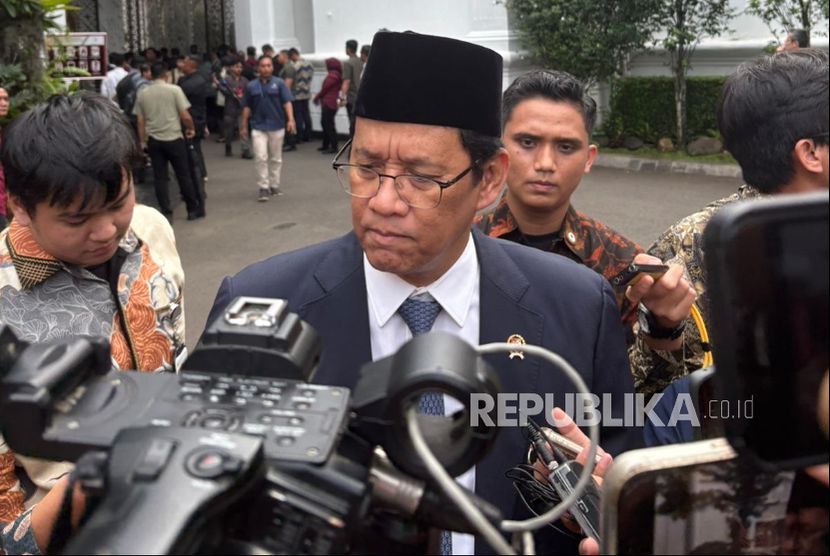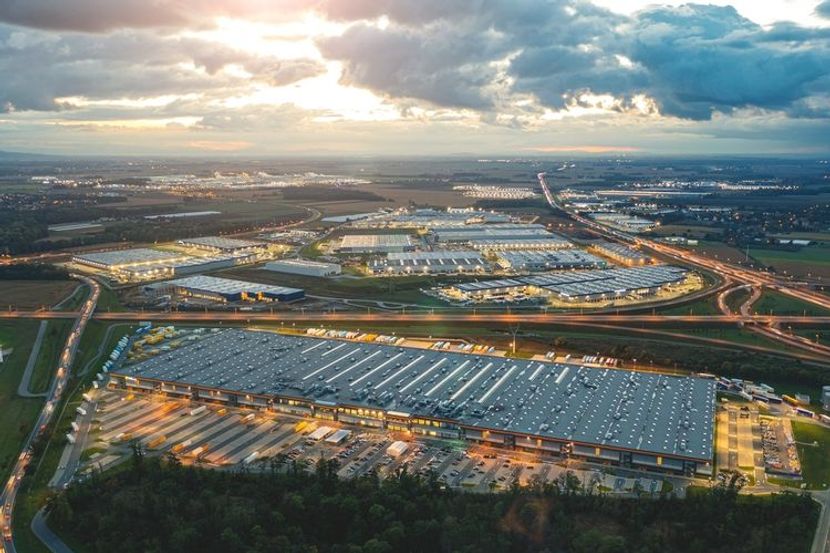

 Chairman of the Indonesian Fiber and Filament Producers Association (APSyFI) stated that currently 21 textile companies in Indonesia have closed, and 31 textile factories are facing the threat of closure. Since the end of 2022, the capacity utilization level of textile factories has begun to decline. By the second quarter of 2022, the utilization rate was only 72%. Many textile and garment companies that are members of APSyFI have closed. So far, the utility of the industry continues to decline. According to the association's records, it is now only 45%. Since Covid-19, the capacity utilization level has been declining, and the downturn in the textile industry has lasted for a long time. The last glory of the textile industry was in 2010-2011. The role of industry in the economy began to decline, especially the textile industry, during the ASEAN-China Free Trade Agreement period in 2012, known as the second phase of deindustrialization. The first phase of decline in the textile industry occurred during the 1998 crisis. The downturn period starting in 2012 began to improve in the first quarter of 2020 when the Covid-19 pandemic broke out. However, textile factories fell into a slump again in the third quarter of 2023, an impact attributed to the Russia-Ukraine war. In addition, during the Covid-19 pandemic in 2020, due to the stagnation of port operations in China, inventory of Chinese products began to infiltrate Indonesia, even through illegal imports. Over time, textile inventory will increase, and goods entering Indonesia are sold at low prices.
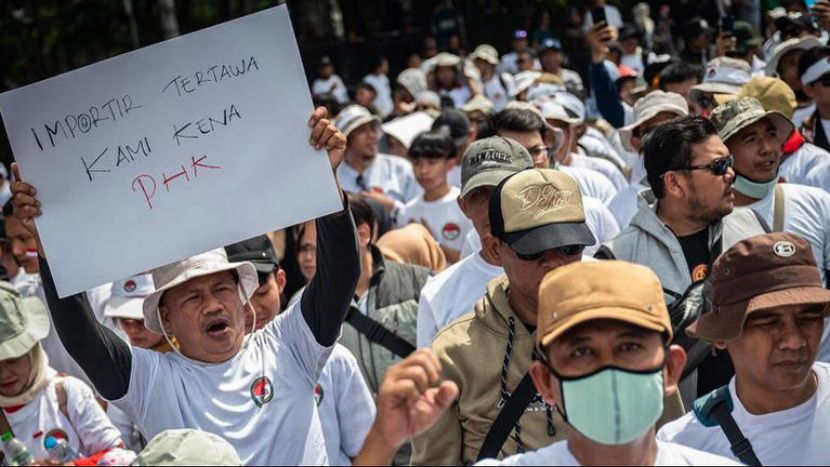
Due to the influx of a large amount of product inventory from China into Indonesia, these goods are still sold at production cost, and now the sold goods are priced below standard commodity prices. Another impact is that most of the goods from China enter illegally, and even textiles from China entering or imported into Indonesia do not need to pay import duties. This economic downturn may lead to layoffs in the industry, with large-scale layoffs expected in 2024. There has already been a trend of employee reduction in 2022-2023 due to reduced production volumes. The textile industry has been hit by the crisis, and one of the ways to survive is to reduce production levels. When production inventory decreases, the number of employees needed also decreases. Some employees have been laid off, and some work only 3 to 6 days a week. This is currently happening at a textile company in Bandung, West Java. Initially, the company had 3,000 employees. Since 2023, the company has been laying off employees every month, and finally, by May this year, the company laid off the last batch of 700 employees and closed the factory. In the full year of 2023, a total of 150,000 employees in the textile and garment industry were laid off. This number does not include layoffs from small and medium enterprises. It mainly comes from large and medium industries because these companies reported the layoffs; however, many companies did not report.
Chairman of the Indonesian Fiber and Filament Producers Association (APSyFI) stated that currently 21 textile companies in Indonesia have closed, and 31 textile factories are facing the threat of closure. Since the end of 2022, the capacity utilization level of textile factories has begun to decline. By the second quarter of 2022, the utilization rate was only 72%. Many textile and garment companies that are members of APSyFI have closed. So far, the utility of the industry continues to decline. According to the association's records, it is now only 45%. Since Covid-19, the capacity utilization level has been declining, and the downturn in the textile industry has lasted for a long time. The last glory of the textile industry was in 2010-2011. The role of industry in the economy began to decline, especially the textile industry, during the ASEAN-China Free Trade Agreement period in 2012, known as the second phase of deindustrialization. The first phase of decline in the textile industry occurred during the 1998 crisis. The downturn period starting in 2012 began to improve in the first quarter of 2020 when the Covid-19 pandemic broke out. However, textile factories fell into a slump again in the third quarter of 2023, an impact attributed to the Russia-Ukraine war. In addition, during the Covid-19 pandemic in 2020, due to the stagnation of port operations in China, inventory of Chinese products began to infiltrate Indonesia, even through illegal imports. Over time, textile inventory will increase, and goods entering Indonesia are sold at low prices.
Due to the influx of a large amount of product inventory from China into Indonesia, these goods are still sold at production cost, and now the sold goods are priced below standard commodity prices. Another impact is that most of the goods from China enter illegally, and even textiles from China entering or imported into Indonesia do not need to pay import duties. This economic downturn may lead to layoffs in the industry, with large-scale layoffs expected in 2024. There has already been a trend of employee reduction in 2022-2023 due to reduced production volumes. The textile industry has been hit by the crisis, and one of the ways to survive is to reduce production levels. When production inventory decreases, the number of employees needed also decreases. Some employees have been laid off, and some work only 3 to 6 days a week. This is currently happening at a textile company in Bandung, West Java. Initially, the company had 3,000 employees. Since 2023, the company has been laying off employees every month, and finally, by May this year, the company laid off the last batch of 700 employees and closed the factory. In the full year of 2023, a total of 150,000 employees in the textile and garment industry were laid off. This number does not include layoffs from small and medium enterprises. It mainly comes from large and medium industries because these companies reported the layoffs; however, many companies did not report.
Chairman of the Indonesian Fiber and Filament Producers Association (APSyFI) stated that currently 21 textile companies in Indonesia have closed, and 31 textile factories are facing the threat of closure. Since the end of 2022, the capacity utilization level of textile factories has begun to decline. By the second quarter of 2022, the utilization rate was only 72%. Many textile and garment companies that are members of APSyFI have closed. So far, the utility of the industry continues to decline. According to the association's records, it is now only 45%. Since Covid-19, the capacity utilization level has been declining, and the downturn in the textile industry has lasted for a long time. The last glory of the textile industry was in 2010-2011. The role of industry in the economy began to decline, especially the textile industry, during the ASEAN-China Free Trade Agreement period in 2012, known as the second phase of deindustrialization. The first phase of decline in the textile industry occurred during the 1998 crisis. The downturn period starting in 2012 began to improve in the first quarter of 2020 when the Covid-19 pandemic broke out. However, textile factories fell into a slump again in the third quarter of 2023, an impact attributed to the Russia-Ukraine war. In addition, during the Covid-19 pandemic in 2020, due to the stagnation of port operations in China, inventory of Chinese products began to infiltrate Indonesia, even through illegal imports. Over time, textile inventory will increase, and goods entering Indonesia are sold at low prices.
Due to the influx of a large amount of product inventory from China into Indonesia, these goods are still sold at production cost, and now the sold goods are priced below standard commodity prices. Another impact is that most of the goods from China enter illegally, and even textiles from China entering or imported into Indonesia do not need to pay import duties. This economic downturn may lead to layoffs in the industry, with large-scale layoffs expected in 2024. There has already been a trend of employee reduction in 2022-2023 due to reduced production volumes. The textile industry has been hit by the crisis, and one of the ways to survive is to reduce production levels. When production inventory decreases, the number of employees needed also decreases. Some employees have been laid off, and some work only 3 to 6 days a week. This is currently happening at a textile company in Bandung, West Java. Initially, the company had 3,000 employees. Since 2023, the company has been laying off employees every month, and finally, by May this year, the company laid off the last batch of 700 employees and closed the factory. In the full year of 2023, a total of 150,000 employees in the textile and garment industry were laid off. This number does not include layoffs from small and medium enterprises. It mainly comes from large and medium industries because these companies reported the layoffs; however, many companies did not report.
Chairman of the Indonesian Fiber and Filament Producers Association (APSyFI) stated that currently 21 textile companies in Indonesia have closed, and 31 textile factories are facing the threat of closure. Since the end of 2022, the capacity utilization level of textile factories has begun to decline. By the second quarter of 2022, the utilization rate was only 72%. Many textile and garment companies that are members of APSyFI have closed. So far, the utility of the industry continues to decline. According to the association's records, it is now only 45%. Since Covid-19, the capacity utilization level has been declining, and the downturn in the textile industry has lasted for a long time. The last glory of the textile industry was in 2010-2011. The role of industry in the economy began to decline, especially the textile industry, during the ASEAN-China Free Trade Agreement period in 2012, known as the second phase of deindustrialization. The first phase of decline in the textile industry occurred during the 1998 crisis. The downturn period starting in 2012 began to improve in the first quarter of 2020 when the Covid-19 pandemic broke out. However, textile factories fell into a slump again in the third quarter of 2023, an impact attributed to the Russia-Ukraine war. In addition, during the Covid-19 pandemic in 2020, due to the stagnation of port operations in China, inventory of Chinese products began to infiltrate Indonesia, even through illegal imports. Over time, textile inventory will increase, and goods entering Indonesia are sold at low prices.
Due to the influx of a large amount of product inventory from China into Indonesia, these goods are still sold at production cost, and now the sold goods are priced below standard commodity prices. Another impact is that most of the goods from China enter illegally, and even textiles from China entering or imported into Indonesia do not need to pay import duties. This economic downturn may lead to layoffs in the industry, with large-scale layoffs expected in 2024. There has already been a trend of employee reduction in 2022-2023 due to reduced production volumes. The textile industry has been hit by the crisis, and one of the ways to survive is to reduce production levels. When production inventory decreases, the number of employees needed also decreases. Some employees have been laid off, and some work only 3 to 6 days a week. This is currently happening at a textile company in Bandung, West Java. Initially, the company had 3,000 employees. Since 2023, the company has been laying off employees every month, and finally, by May this year, the company laid off the last batch of 700 employees and closed the factory. In the full year of 2023, a total of 150,000 employees in the textile and garment industry were laid off. This number does not include layoffs from small and medium enterprises. It mainly comes from large and medium industries because these companies reported the layoffs; however, many companies did not report.