
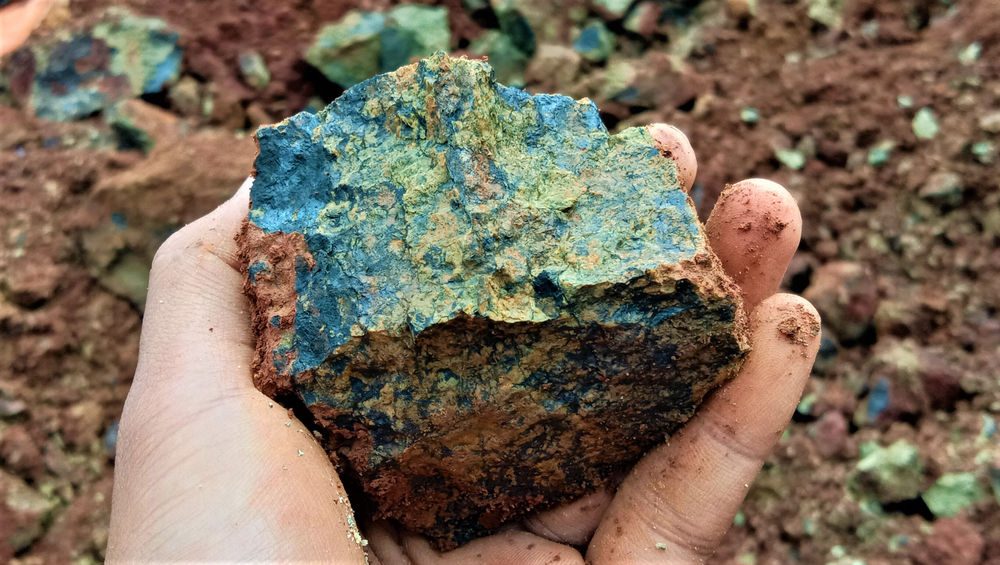
 According to a report by Yonhap News Agency on January 23, citing Jakarta Globe and Bloomberg, the nickel price on the London Metal Exchange the previous day was $16,007 per ton, half of what it was a year ago and the lowest level since 2021. Indonesian companies, the world's largest nickel producers, are deeply concerned. Experts explain that this sharp price drop is due to slower-than-expected electric vehicle demand, leading to an oversupply of nickel, a key mineral for EV batteries.
Global EV sales increased from 10.5 million units in 2022 to 13.8 million units last year, a growth of about 31%. However, the growth rate slowed to half of the 61.5% increase in 2022 compared to the previous year. It is forecasted that EV sales growth will further slow to around 20% this year. Additionally, the world's largest automaker BYD uses low-cost lithium iron phosphate batteries that do not require nickel, and Tesla has also introduced products using lithium iron phosphate batteries, reducing nickel demand and leading to price declines. The Indonesian Mining Association stated that illegal nickel exports also negatively impact nickel prices, as smuggling yields higher profits, perpetuating a vicious cycle of further international price declines.
In this context, Indonesia, rather than selling nickel as a raw mineral, has been focusing on increasing added value and nurturing related industries by refining and processing it domestically for export. Since 2020, it has banned the export of nickel ore, instead investing heavily in smelting and refining industries. Colin Hamilton, head of raw materials research at BMO Capital Markets, stated that pressure in the global nickel market is becoming increasingly apparent. With an oversupply last year, temporary or permanent production cuts are needed to maintain market balance.
Source: Ministry of Commerce, People's Republic of China
According to a report by Yonhap News Agency on January 23, citing Jakarta Globe and Bloomberg, the nickel price on the London Metal Exchange the previous day was $16,007 per ton, half of what it was a year ago and the lowest level since 2021. Indonesian companies, the world's largest nickel producers, are deeply concerned. Experts explain that this sharp price drop is due to slower-than-expected electric vehicle demand, leading to an oversupply of nickel, a key mineral for EV batteries.
Global EV sales increased from 10.5 million units in 2022 to 13.8 million units last year, a growth of about 31%. However, the growth rate slowed to half of the 61.5% increase in 2022 compared to the previous year. It is forecasted that EV sales growth will further slow to around 20% this year. Additionally, the world's largest automaker BYD uses low-cost lithium iron phosphate batteries that do not require nickel, and Tesla has also introduced products using lithium iron phosphate batteries, reducing nickel demand and leading to price declines. The Indonesian Mining Association stated that illegal nickel exports also negatively impact nickel prices, as smuggling yields higher profits, perpetuating a vicious cycle of further international price declines.
In this context, Indonesia, rather than selling nickel as a raw mineral, has been focusing on increasing added value and nurturing related industries by refining and processing it domestically for export. Since 2020, it has banned the export of nickel ore, instead investing heavily in smelting and refining industries. Colin Hamilton, head of raw materials research at BMO Capital Markets, stated that pressure in the global nickel market is becoming increasingly apparent. With an oversupply last year, temporary or permanent production cuts are needed to maintain market balance.
Source: Ministry of Commerce, People's Republic of China
According to a report by Yonhap News Agency on January 23, citing Jakarta Globe and Bloomberg, the nickel price on the London Metal Exchange the previous day was $16,007 per ton, half of what it was a year ago and the lowest level since 2021. Indonesian companies, the world's largest nickel producers, are deeply concerned. Experts explain that this sharp price drop is due to slower-than-expected electric vehicle demand, leading to an oversupply of nickel, a key mineral for EV batteries.
Global EV sales increased from 10.5 million units in 2022 to 13.8 million units last year, a growth of about 31%. However, the growth rate slowed to half of the 61.5% increase in 2022 compared to the previous year. It is forecasted that EV sales growth will further slow to around 20% this year. Additionally, the world's largest automaker BYD uses low-cost lithium iron phosphate batteries that do not require nickel, and Tesla has also introduced products using lithium iron phosphate batteries, reducing nickel demand and leading to price declines. The Indonesian Mining Association stated that illegal nickel exports also negatively impact nickel prices, as smuggling yields higher profits, perpetuating a vicious cycle of further international price declines.
In this context, Indonesia, rather than selling nickel as a raw mineral, has been focusing on increasing added value and nurturing related industries by refining and processing it domestically for export. Since 2020, it has banned the export of nickel ore, instead investing heavily in smelting and refining industries. Colin Hamilton, head of raw materials research at BMO Capital Markets, stated that pressure in the global nickel market is becoming increasingly apparent. With an oversupply last year, temporary or permanent production cuts are needed to maintain market balance.
Source: Ministry of Commerce, People's Republic of China
According to a report by Yonhap News Agency on January 23, citing Jakarta Globe and Bloomberg, the nickel price on the London Metal Exchange the previous day was $16,007 per ton, half of what it was a year ago and the lowest level since 2021. Indonesian companies, the world's largest nickel producers, are deeply concerned. Experts explain that this sharp price drop is due to slower-than-expected electric vehicle demand, leading to an oversupply of nickel, a key mineral for EV batteries.
Global EV sales increased from 10.5 million units in 2022 to 13.8 million units last year, a growth of about 31%. However, the growth rate slowed to half of the 61.5% increase in 2022 compared to the previous year. It is forecasted that EV sales growth will further slow to around 20% this year. Additionally, the world's largest automaker BYD uses low-cost lithium iron phosphate batteries that do not require nickel, and Tesla has also introduced products using lithium iron phosphate batteries, reducing nickel demand and leading to price declines. The Indonesian Mining Association stated that illegal nickel exports also negatively impact nickel prices, as smuggling yields higher profits, perpetuating a vicious cycle of further international price declines.
In this context, Indonesia, rather than selling nickel as a raw mineral, has been focusing on increasing added value and nurturing related industries by refining and processing it domestically for export. Since 2020, it has banned the export of nickel ore, instead investing heavily in smelting and refining industries. Colin Hamilton, head of raw materials research at BMO Capital Markets, stated that pressure in the global nickel market is becoming increasingly apparent. With an oversupply last year, temporary or permanent production cuts are needed to maintain market balance.
Source: Ministry of Commerce, People's Republic of China