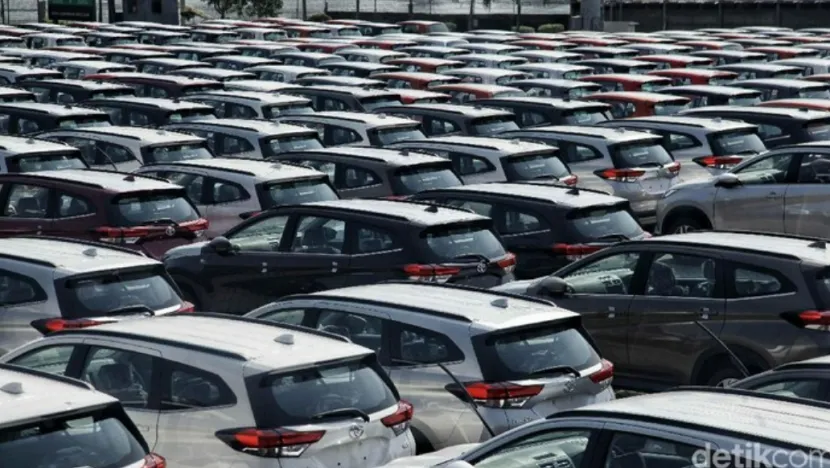

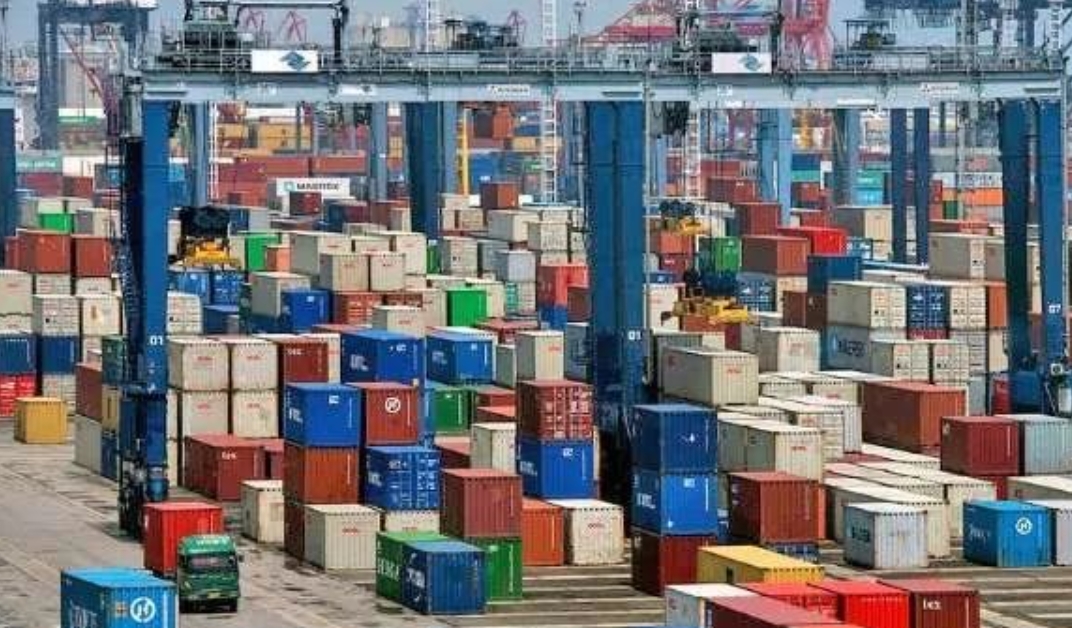
 According to the latest data released by the Central Bureau of Statistics of Indonesia, the country's export volume in 2023 increased by 8.55% year-on-year compared to 2022, with December exports reaching as high as US$22.41 billion, marking the 44th consecutive month of trade surplus since May 2020. Febrio, Head of the Fiscal Policy Agency of Indonesia, pointed out that the positive export trend in 2023 reflects the strong adaptability of Indonesia's economic development. To expand export trade, Indonesia has been continuously advancing relevant policies and measures in recent years, establishing specialized institutions such as trade promotion centers. In September 2023, a national export promotion task force was specially established, and various relevant departments and institutions have strengthened the collection and analysis of market information and data, aiming to provide policy guidance for export enterprises to enhance their competitiveness. In December last year, the Indonesian Ministry of Foreign Affairs also held a forum to discuss business opportunities in the Asia-Pacific and Africa regions, and plans to release regional-specific and economic data reports in 2024.
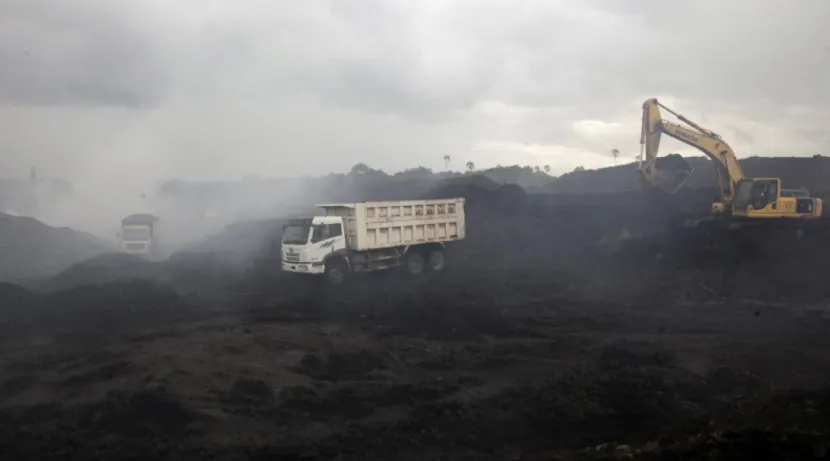
According to official data, micro, small, and medium enterprises (MSMEs) account for 77.28% of Indonesia's total exporters, yet their export value only accounts for 4.1% of the total. To address this, the Indonesian government supports MSMEs through various aspects such as policies, funding, and information, by increasing financing, providing training, simplifying market access qualifications and procedures, hosting international trade fairs, and developing e-commerce and electronic payment methods, thereby improving the business environment for these enterprises and encouraging and promoting the export of MSME products to achieve fair competition and common development. Considering that most export products are raw materials, the Indonesian government has in recent years focused more on increasing the added value of export products and encouraging investment in processing industries. Since 2014, Indonesia has adjusted its mining policy, reducing the export of some raw mineral materials and encouraging the construction of smelters to produce processed products such as stainless steel, aiming to extend the domestic industrial chain and increase product added value. For example, processing nickel ore into nickel iron can increase its added value several times, potentially generating more foreign exchange income.
The National Export Development Agency of the Indonesian Ministry of Trade stated that it will further develop downstream industries for raw materials and continue to introduce measures to increase the added value of export products, with the target of further expanding export trade in 2024. China, as Indonesia's most important trading partner, export destination, and import source, saw bilateral trade volume reach US$127.12 billion in 2023. Indonesia has set a target to increase its export to China to between US$65 billion and US$70 billion in 2024 and has formulated multiple cooperation plans. Didi Sumedi, Head of the National Export Development Agency of the Indonesian Ministry of Trade, emphasized that Indonesia will deepen trade cooperation with China and promote Indonesian products in the Chinese market through activities such as trade fairs. To diversify trade markets, the Indonesian Ministry of Trade is continuously striving to explore new export markets, seeking foreign trade cooperation with more countries and regions such as Africa, the Middle East, and Latin America, and discussing the signing of free trade agreements, preferential trade agreements, and comprehensive economic partnership agreements to expand the market for domestic products.
Source of News: People's Daily
According to the latest data released by the Central Bureau of Statistics of Indonesia, the country's export volume in 2023 increased by 8.55% year-on-year compared to 2022, with December exports reaching as high as US$22.41 billion, marking the 44th consecutive month of trade surplus since May 2020. Febrio, Head of the Fiscal Policy Agency of Indonesia, pointed out that the positive export trend in 2023 reflects the strong adaptability of Indonesia's economic development. To expand export trade, Indonesia has been continuously advancing relevant policies and measures in recent years, establishing specialized institutions such as trade promotion centers. In September 2023, a national export promotion task force was specially established, and various relevant departments and institutions have strengthened the collection and analysis of market information and data, aiming to provide policy guidance for export enterprises to enhance their competitiveness. In December last year, the Indonesian Ministry of Foreign Affairs also held a forum to discuss business opportunities in the Asia-Pacific and Africa regions, and plans to release regional-specific and economic data reports in 2024.
According to official data, micro, small, and medium enterprises (MSMEs) account for 77.28% of Indonesia's total exporters, yet their export value only accounts for 4.1% of the total. To address this, the Indonesian government supports MSMEs through various aspects such as policies, funding, and information, by increasing financing, providing training, simplifying market access qualifications and procedures, hosting international trade fairs, and developing e-commerce and electronic payment methods, thereby improving the business environment for these enterprises and encouraging and promoting the export of MSME products to achieve fair competition and common development. Considering that most export products are raw materials, the Indonesian government has in recent years focused more on increasing the added value of export products and encouraging investment in processing industries. Since 2014, Indonesia has adjusted its mining policy, reducing the export of some raw mineral materials and encouraging the construction of smelters to produce processed products such as stainless steel, aiming to extend the domestic industrial chain and increase product added value. For example, processing nickel ore into nickel iron can increase its added value several times, potentially generating more foreign exchange income.
The National Export Development Agency of the Indonesian Ministry of Trade stated that it will further develop downstream industries for raw materials and continue to introduce measures to increase the added value of export products, with the target of further expanding export trade in 2024. China, as Indonesia's most important trading partner, export destination, and import source, saw bilateral trade volume reach US$127.12 billion in 2023. Indonesia has set a target to increase its export to China to between US$65 billion and US$70 billion in 2024 and has formulated multiple cooperation plans. Didi Sumedi, Head of the National Export Development Agency of the Indonesian Ministry of Trade, emphasized that Indonesia will deepen trade cooperation with China and promote Indonesian products in the Chinese market through activities such as trade fairs. To diversify trade markets, the Indonesian Ministry of Trade is continuously striving to explore new export markets, seeking foreign trade cooperation with more countries and regions such as Africa, the Middle East, and Latin America, and discussing the signing of free trade agreements, preferential trade agreements, and comprehensive economic partnership agreements to expand the market for domestic products.
Source of News: People's Daily
According to the latest data released by the Central Bureau of Statistics of Indonesia, the country's export volume in 2023 increased by 8.55% year-on-year compared to 2022, with December exports reaching as high as US$22.41 billion, marking the 44th consecutive month of trade surplus since May 2020. Febrio, Head of the Fiscal Policy Agency of Indonesia, pointed out that the positive export trend in 2023 reflects the strong adaptability of Indonesia's economic development. To expand export trade, Indonesia has been continuously advancing relevant policies and measures in recent years, establishing specialized institutions such as trade promotion centers. In September 2023, a national export promotion task force was specially established, and various relevant departments and institutions have strengthened the collection and analysis of market information and data, aiming to provide policy guidance for export enterprises to enhance their competitiveness. In December last year, the Indonesian Ministry of Foreign Affairs also held a forum to discuss business opportunities in the Asia-Pacific and Africa regions, and plans to release regional-specific and economic data reports in 2024.
According to official data, micro, small, and medium enterprises (MSMEs) account for 77.28% of Indonesia's total exporters, yet their export value only accounts for 4.1% of the total. To address this, the Indonesian government supports MSMEs through various aspects such as policies, funding, and information, by increasing financing, providing training, simplifying market access qualifications and procedures, hosting international trade fairs, and developing e-commerce and electronic payment methods, thereby improving the business environment for these enterprises and encouraging and promoting the export of MSME products to achieve fair competition and common development. Considering that most export products are raw materials, the Indonesian government has in recent years focused more on increasing the added value of export products and encouraging investment in processing industries. Since 2014, Indonesia has adjusted its mining policy, reducing the export of some raw mineral materials and encouraging the construction of smelters to produce processed products such as stainless steel, aiming to extend the domestic industrial chain and increase product added value. For example, processing nickel ore into nickel iron can increase its added value several times, potentially generating more foreign exchange income.
The National Export Development Agency of the Indonesian Ministry of Trade stated that it will further develop downstream industries for raw materials and continue to introduce measures to increase the added value of export products, with the target of further expanding export trade in 2024. China, as Indonesia's most important trading partner, export destination, and import source, saw bilateral trade volume reach US$127.12 billion in 2023. Indonesia has set a target to increase its export to China to between US$65 billion and US$70 billion in 2024 and has formulated multiple cooperation plans. Didi Sumedi, Head of the National Export Development Agency of the Indonesian Ministry of Trade, emphasized that Indonesia will deepen trade cooperation with China and promote Indonesian products in the Chinese market through activities such as trade fairs. To diversify trade markets, the Indonesian Ministry of Trade is continuously striving to explore new export markets, seeking foreign trade cooperation with more countries and regions such as Africa, the Middle East, and Latin America, and discussing the signing of free trade agreements, preferential trade agreements, and comprehensive economic partnership agreements to expand the market for domestic products.
Source of News: People's Daily
According to the latest data released by the Central Bureau of Statistics of Indonesia, the country's export volume in 2023 increased by 8.55% year-on-year compared to 2022, with December exports reaching as high as US$22.41 billion, marking the 44th consecutive month of trade surplus since May 2020. Febrio, Head of the Fiscal Policy Agency of Indonesia, pointed out that the positive export trend in 2023 reflects the strong adaptability of Indonesia's economic development. To expand export trade, Indonesia has been continuously advancing relevant policies and measures in recent years, establishing specialized institutions such as trade promotion centers. In September 2023, a national export promotion task force was specially established, and various relevant departments and institutions have strengthened the collection and analysis of market information and data, aiming to provide policy guidance for export enterprises to enhance their competitiveness. In December last year, the Indonesian Ministry of Foreign Affairs also held a forum to discuss business opportunities in the Asia-Pacific and Africa regions, and plans to release regional-specific and economic data reports in 2024.
According to official data, micro, small, and medium enterprises (MSMEs) account for 77.28% of Indonesia's total exporters, yet their export value only accounts for 4.1% of the total. To address this, the Indonesian government supports MSMEs through various aspects such as policies, funding, and information, by increasing financing, providing training, simplifying market access qualifications and procedures, hosting international trade fairs, and developing e-commerce and electronic payment methods, thereby improving the business environment for these enterprises and encouraging and promoting the export of MSME products to achieve fair competition and common development. Considering that most export products are raw materials, the Indonesian government has in recent years focused more on increasing the added value of export products and encouraging investment in processing industries. Since 2014, Indonesia has adjusted its mining policy, reducing the export of some raw mineral materials and encouraging the construction of smelters to produce processed products such as stainless steel, aiming to extend the domestic industrial chain and increase product added value. For example, processing nickel ore into nickel iron can increase its added value several times, potentially generating more foreign exchange income.
The National Export Development Agency of the Indonesian Ministry of Trade stated that it will further develop downstream industries for raw materials and continue to introduce measures to increase the added value of export products, with the target of further expanding export trade in 2024. China, as Indonesia's most important trading partner, export destination, and import source, saw bilateral trade volume reach US$127.12 billion in 2023. Indonesia has set a target to increase its export to China to between US$65 billion and US$70 billion in 2024 and has formulated multiple cooperation plans. Didi Sumedi, Head of the National Export Development Agency of the Indonesian Ministry of Trade, emphasized that Indonesia will deepen trade cooperation with China and promote Indonesian products in the Chinese market through activities such as trade fairs. To diversify trade markets, the Indonesian Ministry of Trade is continuously striving to explore new export markets, seeking foreign trade cooperation with more countries and regions such as Africa, the Middle East, and Latin America, and discussing the signing of free trade agreements, preferential trade agreements, and comprehensive economic partnership agreements to expand the market for domestic products.
Source of News: People's Daily