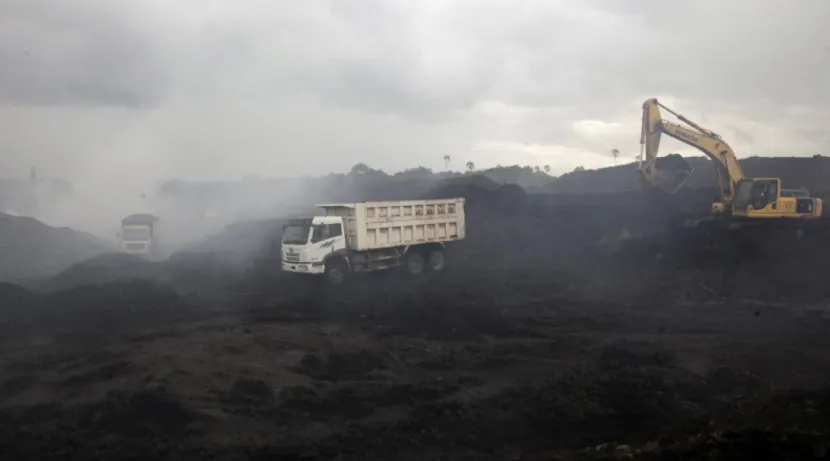

 Affected by Indonesia's low-cost nickel resources, global nickel prices have plummeted, rendering about half of the world's nickel mining operations unprofitable. Many mining companies have stated that due to Indonesia's influence, their profitability in the nickel sector has sharply declined, even resulting in losses, with limited hope of recovery in the foreseeable future.
Nickel, a key material for manufacturing lithium batteries, is crucial for advancing the global green energy transition. As the world's largest nickel producer, Indonesia currently contributes more than half of the global nickel supply, and this figure is expected to increase to three-quarters by 2030.
Typically, nickel is divided into two types: ordinary nickel used for producing stainless steel and high-purity nickel used for battery production. Indonesia's massive expansion of low-purity nickel production has led to a market oversupply. More critically, advancements in refining technology now allow these low-purity nickel grades to be converted into high-quality products.
Slowing global economic growth and severe oversupply have jointly caused nickel prices to drop by 45% over the past year, with the current price around $17,000 per ton.
According to data from Macquarie Group, when nickel prices reach $18,000 per ton, 35% of production operates at a loss; when prices fall to $15,000 per ton, this proportion rises to 75%.
Although commodity markets are typically subject to cyclical fluctuations, the nickel industry is currently facing a structural change that has upended previous forecasts and models.
Mining giants are pessimistic about short-term improvements in the industry. For example, Duncan Wanblad, CEO of Anglo American, pointed out that the structural challenges in Indonesia's nickel market are very severe, and Indonesia seems unwilling to slow down production. Anglo American wrote down $500 million from its nickel business last week.
Despite BHP Group's optimistic outlook on nickel market growth in recent years, its nickel business has frequently suffered losses, even though the company's annual profit exceeds $30 billion. BHP CEO Mike Henry said the company may decide within the next few months whether to close its major nickel mining operations in Australia. The company has already written down $2.5 billion from this business and expects the nickel market oversupply to last at least until 2030.
Glencore, one of the world's leading nickel producers with significant operations in Canada and Australia, has terminated its nickel business in New Caledonia. Glencore CEO Gary Nagle predicted that nickel prices will remain low, stating, "We foresee continued production growth in Indonesia and do not expect a significant recovery in nickel prices in the medium to short term."
Affected by Indonesia's low-cost nickel resources, global nickel prices have plummeted, rendering about half of the world's nickel mining operations unprofitable. Many mining companies have stated that due to Indonesia's influence, their profitability in the nickel sector has sharply declined, even resulting in losses, with limited hope of recovery in the foreseeable future.
Nickel, a key material for manufacturing lithium batteries, is crucial for advancing the global green energy transition. As the world's largest nickel producer, Indonesia currently contributes more than half of the global nickel supply, and this figure is expected to increase to three-quarters by 2030.
Typically, nickel is divided into two types: ordinary nickel used for producing stainless steel and high-purity nickel used for battery production. Indonesia's massive expansion of low-purity nickel production has led to a market oversupply. More critically, advancements in refining technology now allow these low-purity nickel grades to be converted into high-quality products.
Slowing global economic growth and severe oversupply have jointly caused nickel prices to drop by 45% over the past year, with the current price around $17,000 per ton.
According to data from Macquarie Group, when nickel prices reach $18,000 per ton, 35% of production operates at a loss; when prices fall to $15,000 per ton, this proportion rises to 75%.
Although commodity markets are typically subject to cyclical fluctuations, the nickel industry is currently facing a structural change that has upended previous forecasts and models.
Mining giants are pessimistic about short-term improvements in the industry. For example, Duncan Wanblad, CEO of Anglo American, pointed out that the structural challenges in Indonesia's nickel market are very severe, and Indonesia seems unwilling to slow down production. Anglo American wrote down $500 million from its nickel business last week.
Despite BHP Group's optimistic outlook on nickel market growth in recent years, its nickel business has frequently suffered losses, even though the company's annual profit exceeds $30 billion. BHP CEO Mike Henry said the company may decide within the next few months whether to close its major nickel mining operations in Australia. The company has already written down $2.5 billion from this business and expects the nickel market oversupply to last at least until 2030.
Glencore, one of the world's leading nickel producers with significant operations in Canada and Australia, has terminated its nickel business in New Caledonia. Glencore CEO Gary Nagle predicted that nickel prices will remain low, stating, "We foresee continued production growth in Indonesia and do not expect a significant recovery in nickel prices in the medium to short term."
Affected by Indonesia's low-cost nickel resources, global nickel prices have plummeted, rendering about half of the world's nickel mining operations unprofitable. Many mining companies have stated that due to Indonesia's influence, their profitability in the nickel sector has sharply declined, even resulting in losses, with limited hope of recovery in the foreseeable future.
Nickel, a key material for manufacturing lithium batteries, is crucial for advancing the global green energy transition. As the world's largest nickel producer, Indonesia currently contributes more than half of the global nickel supply, and this figure is expected to increase to three-quarters by 2030.
Typically, nickel is divided into two types: ordinary nickel used for producing stainless steel and high-purity nickel used for battery production. Indonesia's massive expansion of low-purity nickel production has led to a market oversupply. More critically, advancements in refining technology now allow these low-purity nickel grades to be converted into high-quality products.
Slowing global economic growth and severe oversupply have jointly caused nickel prices to drop by 45% over the past year, with the current price around $17,000 per ton.
According to data from Macquarie Group, when nickel prices reach $18,000 per ton, 35% of production operates at a loss; when prices fall to $15,000 per ton, this proportion rises to 75%.
Although commodity markets are typically subject to cyclical fluctuations, the nickel industry is currently facing a structural change that has upended previous forecasts and models.
Mining giants are pessimistic about short-term improvements in the industry. For example, Duncan Wanblad, CEO of Anglo American, pointed out that the structural challenges in Indonesia's nickel market are very severe, and Indonesia seems unwilling to slow down production. Anglo American wrote down $500 million from its nickel business last week.
Despite BHP Group's optimistic outlook on nickel market growth in recent years, its nickel business has frequently suffered losses, even though the company's annual profit exceeds $30 billion. BHP CEO Mike Henry said the company may decide within the next few months whether to close its major nickel mining operations in Australia. The company has already written down $2.5 billion from this business and expects the nickel market oversupply to last at least until 2030.
Glencore, one of the world's leading nickel producers with significant operations in Canada and Australia, has terminated its nickel business in New Caledonia. Glencore CEO Gary Nagle predicted that nickel prices will remain low, stating, "We foresee continued production growth in Indonesia and do not expect a significant recovery in nickel prices in the medium to short term."
Affected by Indonesia's low-cost nickel resources, global nickel prices have plummeted, rendering about half of the world's nickel mining operations unprofitable. Many mining companies have stated that due to Indonesia's influence, their profitability in the nickel sector has sharply declined, even resulting in losses, with limited hope of recovery in the foreseeable future.
Nickel, a key material for manufacturing lithium batteries, is crucial for advancing the global green energy transition. As the world's largest nickel producer, Indonesia currently contributes more than half of the global nickel supply, and this figure is expected to increase to three-quarters by 2030.
Typically, nickel is divided into two types: ordinary nickel used for producing stainless steel and high-purity nickel used for battery production. Indonesia's massive expansion of low-purity nickel production has led to a market oversupply. More critically, advancements in refining technology now allow these low-purity nickel grades to be converted into high-quality products.
Slowing global economic growth and severe oversupply have jointly caused nickel prices to drop by 45% over the past year, with the current price around $17,000 per ton.
According to data from Macquarie Group, when nickel prices reach $18,000 per ton, 35% of production operates at a loss; when prices fall to $15,000 per ton, this proportion rises to 75%.
Although commodity markets are typically subject to cyclical fluctuations, the nickel industry is currently facing a structural change that has upended previous forecasts and models.
Mining giants are pessimistic about short-term improvements in the industry. For example, Duncan Wanblad, CEO of Anglo American, pointed out that the structural challenges in Indonesia's nickel market are very severe, and Indonesia seems unwilling to slow down production. Anglo American wrote down $500 million from its nickel business last week.
Despite BHP Group's optimistic outlook on nickel market growth in recent years, its nickel business has frequently suffered losses, even though the company's annual profit exceeds $30 billion. BHP CEO Mike Henry said the company may decide within the next few months whether to close its major nickel mining operations in Australia. The company has already written down $2.5 billion from this business and expects the nickel market oversupply to last at least until 2030.
Glencore, one of the world's leading nickel producers with significant operations in Canada and Australia, has terminated its nickel business in New Caledonia. Glencore CEO Gary Nagle predicted that nickel prices will remain low, stating, "We foresee continued production growth in Indonesia and do not expect a significant recovery in nickel prices in the medium to short term."