
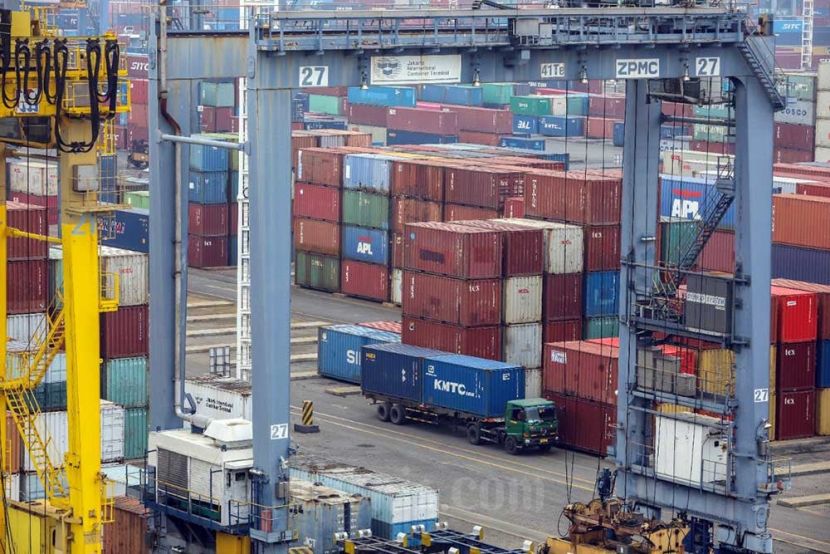
 Economic observers have found that Indonesia is often flooded with imports from China, threatening domestic industries, but imposing import tariffs as high as 200% is considered not a solution. The Executive Director of the Center for Economic Reform (CORE) stated that the existence of the ASEAN-China Free Trade Agreement (ACFTA) is one of the reasons for the increased influx of Chinese imports into ASEAN, including the Indonesian market, since 2019. Since its implementation in 2016, many imported products from China have been subject to very low import tariffs in the domestic market. Indonesia is bound by ACFTA, which has led to an influx of Chinese products over the past 10 years, most of which have almost 0% import tariffs (on Chinese products). On the other hand, he also commented on the government's stance to increase import tariffs on products from China by up to 200%. Regarding the issue of the textile (TPT) industry being squeezed by Chinese imports, the government should not immediately take drastic measures. Although he acknowledged that imposing high import tariffs is beneficial for protecting domestic production, he also reminded the government of the potential consequences of this aggressive move. China may retaliate, just as it did against the European Union, which recently imposed tariffs on Chinese electric vehicle products exported to Europe. He also questioned whether the government's planned drastic measures to impose extremely high import tariffs on Chinese imports are permanent or temporary. The root cause of the flooding of Chinese imports needs to be addressed fundamentally, not just for short-term benefits or for political purposes at the end of the government term.
The Executive Director of the Center for Strategic and International Studies (CSIS) stated that the government should not create new regulations but instead improve the implementation of existing import policies. The reason is that the surge of Chinese imports is more due to weak regulatory enforcement and the difficulty of closing illegal import loopholes. If the problem lies in enforcement, then it should be corrected, not by creating new regulations to increase import tariffs. If that were the case, it would never be effective – perhaps it is caused by illegal imports. He urged the government to consider the impact of regulations before issuing policies. The government, under pressure from various parties, has amended import regulations (Permendag No.36/2023) three times in a short period, showing inconsistency. The government must consider the impact of regulations – what are the effects of these regulations, and not just issue new ones. The Minister of Trade confirmed on Friday (28/6/2024) that import tariffs of 100%-200% would be immediately implemented on imported goods, aimed at curbing the influx of imported goods into the domestic market, which gradually stifles industrial sectors and domestic MSMEs. Almost all imported ready-to-use goods will be subject to import tariffs, with an average rate above 100%, including beauty products, footwear, clothing, TPT, and ceramics. In 2023, China maintained its position as Indonesia's largest import source, with Indonesia importing $62.18 billion in goods from China, accounting for 28.02% of total imports.
Economic observers have found that Indonesia is often flooded with imports from China, threatening domestic industries, but imposing import tariffs as high as 200% is considered not a solution. The Executive Director of the Center for Economic Reform (CORE) stated that the existence of the ASEAN-China Free Trade Agreement (ACFTA) is one of the reasons for the increased influx of Chinese imports into ASEAN, including the Indonesian market, since 2019. Since its implementation in 2016, many imported products from China have been subject to very low import tariffs in the domestic market. Indonesia is bound by ACFTA, which has led to an influx of Chinese products over the past 10 years, most of which have almost 0% import tariffs (on Chinese products). On the other hand, he also commented on the government's stance to increase import tariffs on products from China by up to 200%. Regarding the issue of the textile (TPT) industry being squeezed by Chinese imports, the government should not immediately take drastic measures. Although he acknowledged that imposing high import tariffs is beneficial for protecting domestic production, he also reminded the government of the potential consequences of this aggressive move. China may retaliate, just as it did against the European Union, which recently imposed tariffs on Chinese electric vehicle products exported to Europe. He also questioned whether the government's planned drastic measures to impose extremely high import tariffs on Chinese imports are permanent or temporary. The root cause of the flooding of Chinese imports needs to be addressed fundamentally, not just for short-term benefits or for political purposes at the end of the government term.
The Executive Director of the Center for Strategic and International Studies (CSIS) stated that the government should not create new regulations but instead improve the implementation of existing import policies. The reason is that the surge of Chinese imports is more due to weak regulatory enforcement and the difficulty of closing illegal import loopholes. If the problem lies in enforcement, then it should be corrected, not by creating new regulations to increase import tariffs. If that were the case, it would never be effective – perhaps it is caused by illegal imports. He urged the government to consider the impact of regulations before issuing policies. The government, under pressure from various parties, has amended import regulations (Permendag No.36/2023) three times in a short period, showing inconsistency. The government must consider the impact of regulations – what are the effects of these regulations, and not just issue new ones. The Minister of Trade confirmed on Friday (28/6/2024) that import tariffs of 100%-200% would be immediately implemented on imported goods, aimed at curbing the influx of imported goods into the domestic market, which gradually stifles industrial sectors and domestic MSMEs. Almost all imported ready-to-use goods will be subject to import tariffs, with an average rate above 100%, including beauty products, footwear, clothing, TPT, and ceramics. In 2023, China maintained its position as Indonesia's largest import source, with Indonesia importing $62.18 billion in goods from China, accounting for 28.02% of total imports.
Economic observers have found that Indonesia is often flooded with imports from China, threatening domestic industries, but imposing import tariffs as high as 200% is considered not a solution. The Executive Director of the Center for Economic Reform (CORE) stated that the existence of the ASEAN-China Free Trade Agreement (ACFTA) is one of the reasons for the increased influx of Chinese imports into ASEAN, including the Indonesian market, since 2019. Since its implementation in 2016, many imported products from China have been subject to very low import tariffs in the domestic market. Indonesia is bound by ACFTA, which has led to an influx of Chinese products over the past 10 years, most of which have almost 0% import tariffs (on Chinese products). On the other hand, he also commented on the government's stance to increase import tariffs on products from China by up to 200%. Regarding the issue of the textile (TPT) industry being squeezed by Chinese imports, the government should not immediately take drastic measures. Although he acknowledged that imposing high import tariffs is beneficial for protecting domestic production, he also reminded the government of the potential consequences of this aggressive move. China may retaliate, just as it did against the European Union, which recently imposed tariffs on Chinese electric vehicle products exported to Europe. He also questioned whether the government's planned drastic measures to impose extremely high import tariffs on Chinese imports are permanent or temporary. The root cause of the flooding of Chinese imports needs to be addressed fundamentally, not just for short-term benefits or for political purposes at the end of the government term.
The Executive Director of the Center for Strategic and International Studies (CSIS) stated that the government should not create new regulations but instead improve the implementation of existing import policies. The reason is that the surge of Chinese imports is more due to weak regulatory enforcement and the difficulty of closing illegal import loopholes. If the problem lies in enforcement, then it should be corrected, not by creating new regulations to increase import tariffs. If that were the case, it would never be effective – perhaps it is caused by illegal imports. He urged the government to consider the impact of regulations before issuing policies. The government, under pressure from various parties, has amended import regulations (Permendag No.36/2023) three times in a short period, showing inconsistency. The government must consider the impact of regulations – what are the effects of these regulations, and not just issue new ones. The Minister of Trade confirmed on Friday (28/6/2024) that import tariffs of 100%-200% would be immediately implemented on imported goods, aimed at curbing the influx of imported goods into the domestic market, which gradually stifles industrial sectors and domestic MSMEs. Almost all imported ready-to-use goods will be subject to import tariffs, with an average rate above 100%, including beauty products, footwear, clothing, TPT, and ceramics. In 2023, China maintained its position as Indonesia's largest import source, with Indonesia importing $62.18 billion in goods from China, accounting for 28.02% of total imports.
Economic observers have found that Indonesia is often flooded with imports from China, threatening domestic industries, but imposing import tariffs as high as 200% is considered not a solution. The Executive Director of the Center for Economic Reform (CORE) stated that the existence of the ASEAN-China Free Trade Agreement (ACFTA) is one of the reasons for the increased influx of Chinese imports into ASEAN, including the Indonesian market, since 2019. Since its implementation in 2016, many imported products from China have been subject to very low import tariffs in the domestic market. Indonesia is bound by ACFTA, which has led to an influx of Chinese products over the past 10 years, most of which have almost 0% import tariffs (on Chinese products). On the other hand, he also commented on the government's stance to increase import tariffs on products from China by up to 200%. Regarding the issue of the textile (TPT) industry being squeezed by Chinese imports, the government should not immediately take drastic measures. Although he acknowledged that imposing high import tariffs is beneficial for protecting domestic production, he also reminded the government of the potential consequences of this aggressive move. China may retaliate, just as it did against the European Union, which recently imposed tariffs on Chinese electric vehicle products exported to Europe. He also questioned whether the government's planned drastic measures to impose extremely high import tariffs on Chinese imports are permanent or temporary. The root cause of the flooding of Chinese imports needs to be addressed fundamentally, not just for short-term benefits or for political purposes at the end of the government term.
The Executive Director of the Center for Strategic and International Studies (CSIS) stated that the government should not create new regulations but instead improve the implementation of existing import policies. The reason is that the surge of Chinese imports is more due to weak regulatory enforcement and the difficulty of closing illegal import loopholes. If the problem lies in enforcement, then it should be corrected, not by creating new regulations to increase import tariffs. If that were the case, it would never be effective – perhaps it is caused by illegal imports. He urged the government to consider the impact of regulations before issuing policies. The government, under pressure from various parties, has amended import regulations (Permendag No.36/2023) three times in a short period, showing inconsistency. The government must consider the impact of regulations – what are the effects of these regulations, and not just issue new ones. The Minister of Trade confirmed on Friday (28/6/2024) that import tariffs of 100%-200% would be immediately implemented on imported goods, aimed at curbing the influx of imported goods into the domestic market, which gradually stifles industrial sectors and domestic MSMEs. Almost all imported ready-to-use goods will be subject to import tariffs, with an average rate above 100%, including beauty products, footwear, clothing, TPT, and ceramics. In 2023, China maintained its position as Indonesia's largest import source, with Indonesia importing $62.18 billion in goods from China, accounting for 28.02% of total imports.