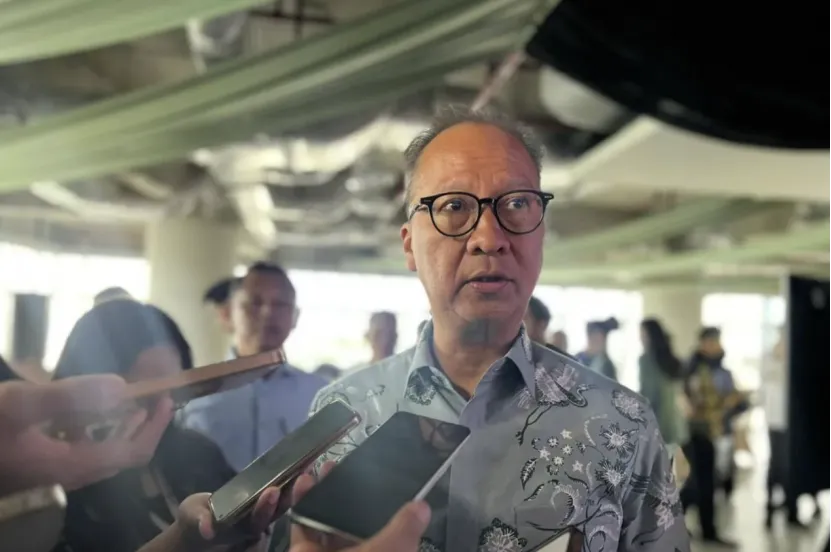

 According to a report from Indonesia's national news agency, on June 28, Indonesian Trade Minister Hasan told the media that to protect the domestic manufacturing industry, new trade regulations would be introduced within the next one to two days, imposing tariffs of 100%-200% on imported consumer goods and finished products including cosmetics, textiles, clothing, shoes, and ceramics. This news quickly attracted great attention from related practitioners. Shopkeeper Wang tries to interpret it for everyone.
First, the change in Indonesia's trade policy actually began in September 2023 when the Indonesian President ordered the rectification of low-priced products on e-commerce platforms.
90% of online products are imported. The most dangerous thing is that these products are not our own. If the online products were our own, that would be great, but unfortunately 90% are imported and extremely low-priced. A piece of clothing sells for only 5,000 Indonesian Rupiah. This is definitely predatory pricing.
Following the President's directive, the Indonesian Trade Minister introduced the strictest new trade regulation No. 36 in December 2023, strengthening import supervision on six categories of products including electronics, textiles, clothing, shoes, bags, cosmetics, and toys through quotas and technical permits. It took effect in March 2024. Due to this policy, by May, it caused a backlog of 26,000 containers at the ports of Jakarta and Surabaya.
Second, the backlog of 26,000 containers aroused strong dissatisfaction from the Indonesian business community, who protested vehemently to the government. The Indonesian government had to hastily amend the trade regulations at the end of April and mid-May, introducing new trade regulation No. 8, which almost abolished all previous trade barriers. The 29,000 containers backlogged at the ports were cleared within one month.
Third, in May-June, led by the Indonesian Textile Association, complaints were made to the Indonesian government that over the past two years, 21 Indonesian textile factories had closed, and 31 were on the verge of closure. In the full year of 2023, at least 150,000 textile workers were laid off across the textile and garment industry. The reason was the massive influx of Chinese textiles into the Indonesian market, sold below cost. This made the Indonesian government uneasy again, leading to the Trade Minister's statement about imposing tariffs of 100%-200% on Chinese products.
The Indonesian government's trade policy, alternating between braking and accelerating with constant changes, reflects, first, the contradictory mindset when facing interest conflicts among different business groups, wavering on the balance between the interests of local traders and producers. Second, the Indonesian government lacks a long-term strategic plan for developing the domestic manufacturing industry. The drastic measure of restricting imports, in the short term, is limited by local manufacturing capacity and efficiency, unable to meet domestic consumer demand. Third, internal corruption within the Indonesian government causes deviations in policy implementation, preventing a positive feedback loop between policy formulation and execution.
The accumulation of these policies has exerted pressure on the Trade Minister, hence the rhetoric of imposing 100%-200% tariffs on imported products. Will this policy be implemented? Let's wait and see!
According to a report from Indonesia's national news agency, on June 28, Indonesian Trade Minister Hasan told the media that to protect the domestic manufacturing industry, new trade regulations would be introduced within the next one to two days, imposing tariffs of 100%-200% on imported consumer goods and finished products including cosmetics, textiles, clothing, shoes, and ceramics. This news quickly attracted great attention from related practitioners. Shopkeeper Wang tries to interpret it for everyone.
First, the change in Indonesia's trade policy actually began in September 2023 when the Indonesian President ordered the rectification of low-priced products on e-commerce platforms.
90% of online products are imported. The most dangerous thing is that these products are not our own. If the online products were our own, that would be great, but unfortunately 90% are imported and extremely low-priced. A piece of clothing sells for only 5,000 Indonesian Rupiah. This is definitely predatory pricing.
Following the President's directive, the Indonesian Trade Minister introduced the strictest new trade regulation No. 36 in December 2023, strengthening import supervision on six categories of products including electronics, textiles, clothing, shoes, bags, cosmetics, and toys through quotas and technical permits. It took effect in March 2024. Due to this policy, by May, it caused a backlog of 26,000 containers at the ports of Jakarta and Surabaya.
Second, the backlog of 26,000 containers aroused strong dissatisfaction from the Indonesian business community, who protested vehemently to the government. The Indonesian government had to hastily amend the trade regulations at the end of April and mid-May, introducing new trade regulation No. 8, which almost abolished all previous trade barriers. The 29,000 containers backlogged at the ports were cleared within one month.
Third, in May-June, led by the Indonesian Textile Association, complaints were made to the Indonesian government that over the past two years, 21 Indonesian textile factories had closed, and 31 were on the verge of closure. In the full year of 2023, at least 150,000 textile workers were laid off across the textile and garment industry. The reason was the massive influx of Chinese textiles into the Indonesian market, sold below cost. This made the Indonesian government uneasy again, leading to the Trade Minister's statement about imposing tariffs of 100%-200% on Chinese products.
The Indonesian government's trade policy, alternating between braking and accelerating with constant changes, reflects, first, the contradictory mindset when facing interest conflicts among different business groups, wavering on the balance between the interests of local traders and producers. Second, the Indonesian government lacks a long-term strategic plan for developing the domestic manufacturing industry. The drastic measure of restricting imports, in the short term, is limited by local manufacturing capacity and efficiency, unable to meet domestic consumer demand. Third, internal corruption within the Indonesian government causes deviations in policy implementation, preventing a positive feedback loop between policy formulation and execution.
The accumulation of these policies has exerted pressure on the Trade Minister, hence the rhetoric of imposing 100%-200% tariffs on imported products. Will this policy be implemented? Let's wait and see!
According to a report from Indonesia's national news agency, on June 28, Indonesian Trade Minister Hasan told the media that to protect the domestic manufacturing industry, new trade regulations would be introduced within the next one to two days, imposing tariffs of 100%-200% on imported consumer goods and finished products including cosmetics, textiles, clothing, shoes, and ceramics. This news quickly attracted great attention from related practitioners. Shopkeeper Wang tries to interpret it for everyone.
First, the change in Indonesia's trade policy actually began in September 2023 when the Indonesian President ordered the rectification of low-priced products on e-commerce platforms.
90% of online products are imported. The most dangerous thing is that these products are not our own. If the online products were our own, that would be great, but unfortunately 90% are imported and extremely low-priced. A piece of clothing sells for only 5,000 Indonesian Rupiah. This is definitely predatory pricing.
Following the President's directive, the Indonesian Trade Minister introduced the strictest new trade regulation No. 36 in December 2023, strengthening import supervision on six categories of products including electronics, textiles, clothing, shoes, bags, cosmetics, and toys through quotas and technical permits. It took effect in March 2024. Due to this policy, by May, it caused a backlog of 26,000 containers at the ports of Jakarta and Surabaya.
Second, the backlog of 26,000 containers aroused strong dissatisfaction from the Indonesian business community, who protested vehemently to the government. The Indonesian government had to hastily amend the trade regulations at the end of April and mid-May, introducing new trade regulation No. 8, which almost abolished all previous trade barriers. The 29,000 containers backlogged at the ports were cleared within one month.
Third, in May-June, led by the Indonesian Textile Association, complaints were made to the Indonesian government that over the past two years, 21 Indonesian textile factories had closed, and 31 were on the verge of closure. In the full year of 2023, at least 150,000 textile workers were laid off across the textile and garment industry. The reason was the massive influx of Chinese textiles into the Indonesian market, sold below cost. This made the Indonesian government uneasy again, leading to the Trade Minister's statement about imposing tariffs of 100%-200% on Chinese products.
The Indonesian government's trade policy, alternating between braking and accelerating with constant changes, reflects, first, the contradictory mindset when facing interest conflicts among different business groups, wavering on the balance between the interests of local traders and producers. Second, the Indonesian government lacks a long-term strategic plan for developing the domestic manufacturing industry. The drastic measure of restricting imports, in the short term, is limited by local manufacturing capacity and efficiency, unable to meet domestic consumer demand. Third, internal corruption within the Indonesian government causes deviations in policy implementation, preventing a positive feedback loop between policy formulation and execution.
The accumulation of these policies has exerted pressure on the Trade Minister, hence the rhetoric of imposing 100%-200% tariffs on imported products. Will this policy be implemented? Let's wait and see!
According to a report from Indonesia's national news agency, on June 28, Indonesian Trade Minister Hasan told the media that to protect the domestic manufacturing industry, new trade regulations would be introduced within the next one to two days, imposing tariffs of 100%-200% on imported consumer goods and finished products including cosmetics, textiles, clothing, shoes, and ceramics. This news quickly attracted great attention from related practitioners. Shopkeeper Wang tries to interpret it for everyone.
First, the change in Indonesia's trade policy actually began in September 2023 when the Indonesian President ordered the rectification of low-priced products on e-commerce platforms.
90% of online products are imported. The most dangerous thing is that these products are not our own. If the online products were our own, that would be great, but unfortunately 90% are imported and extremely low-priced. A piece of clothing sells for only 5,000 Indonesian Rupiah. This is definitely predatory pricing.
Following the President's directive, the Indonesian Trade Minister introduced the strictest new trade regulation No. 36 in December 2023, strengthening import supervision on six categories of products including electronics, textiles, clothing, shoes, bags, cosmetics, and toys through quotas and technical permits. It took effect in March 2024. Due to this policy, by May, it caused a backlog of 26,000 containers at the ports of Jakarta and Surabaya.
Second, the backlog of 26,000 containers aroused strong dissatisfaction from the Indonesian business community, who protested vehemently to the government. The Indonesian government had to hastily amend the trade regulations at the end of April and mid-May, introducing new trade regulation No. 8, which almost abolished all previous trade barriers. The 29,000 containers backlogged at the ports were cleared within one month.
Third, in May-June, led by the Indonesian Textile Association, complaints were made to the Indonesian government that over the past two years, 21 Indonesian textile factories had closed, and 31 were on the verge of closure. In the full year of 2023, at least 150,000 textile workers were laid off across the textile and garment industry. The reason was the massive influx of Chinese textiles into the Indonesian market, sold below cost. This made the Indonesian government uneasy again, leading to the Trade Minister's statement about imposing tariffs of 100%-200% on Chinese products.
The Indonesian government's trade policy, alternating between braking and accelerating with constant changes, reflects, first, the contradictory mindset when facing interest conflicts among different business groups, wavering on the balance between the interests of local traders and producers. Second, the Indonesian government lacks a long-term strategic plan for developing the domestic manufacturing industry. The drastic measure of restricting imports, in the short term, is limited by local manufacturing capacity and efficiency, unable to meet domestic consumer demand. Third, internal corruption within the Indonesian government causes deviations in policy implementation, preventing a positive feedback loop between policy formulation and execution.
The accumulation of these policies has exerted pressure on the Trade Minister, hence the rhetoric of imposing 100%-200% tariffs on imported products. Will this policy be implemented? Let's wait and see!