
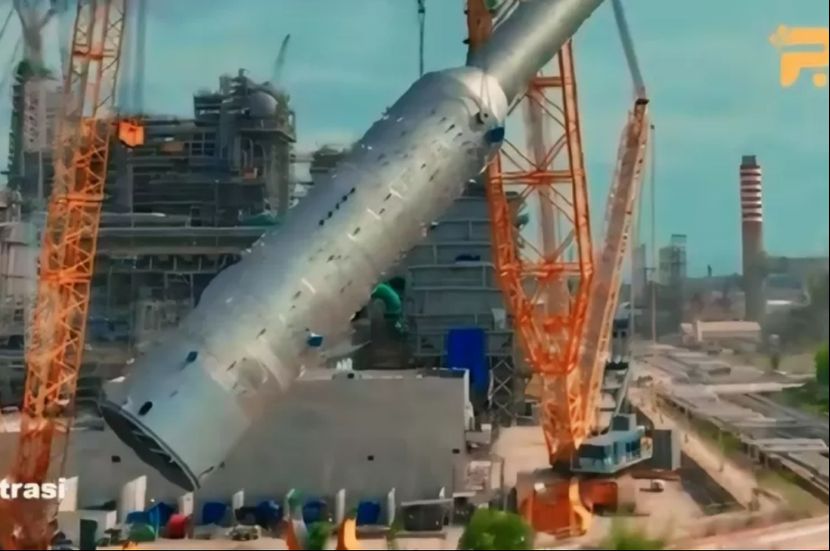
 Indonesia has established itself as a global leader in the mining industry by building the world's largest copper smelter, recently inaugurated by PT Freeport Indonesia in Gresik, East Java. The smelter is not only the largest of its kind but also a symbol of Indonesia's serious commitment to optimizing its natural resources. Covering 100 hectares, the smelter can process 1.7 million tons of copper concentrate annually. Featuring the world's largest single-line design, it produces 600,000 tons of cathode copper per year, along with substantial quantities of valuable by-products such as gold, silver, sulfuric acid, and gypsum. This initiative is in line with the Indonesian government's firm commitment to implementing the downstream policy initiated by President Joko Widodo. Efforts to increase PT Freeport Indonesia's equity from 51% to 61% are also strategic steps toward more independent management of mining assets and optimization of state revenue. The construction of the smelter involves not only physical infrastructure but also aims to strengthen Indonesia's position as a major player in the global mining industry. By gaining better control over its natural resources, Indonesia's revenue could significantly increase, thereby accelerating overall economic growth.
This project has not been without challenges, as the smelter construction process encountered various issues, including changes in location and protests from some stakeholders. However, the decision to retain Gresik as the smelter construction site was considered timely and strategic. With the completion of the world's largest copper smelter, Indonesia has not only demonstrated its technological capabilities but also set a new standard in sustainable natural resource management. These initiatives mark the beginning of an era where Indonesia will not only be a major producer but also a pioneer in innovation and sustainable development in the mining industry. The construction of the world's largest copper smelter by PT Freeport Indonesia in Gresik is a historic milestone in Indonesia's efforts to maintain economic sovereignty and optimize the added value of natural resources. By acquiring more shares and developing necessary infrastructure, Indonesia reaffirms its commitment to becoming a global leader in the mining industry. Indonesia's bright prospects as a high-income country that manages its natural resources responsibly are increasingly evident.
Indonesia has established itself as a global leader in the mining industry by building the world's largest copper smelter, recently inaugurated by PT Freeport Indonesia in Gresik, East Java. The smelter is not only the largest of its kind but also a symbol of Indonesia's serious commitment to optimizing its natural resources. Covering 100 hectares, the smelter can process 1.7 million tons of copper concentrate annually. Featuring the world's largest single-line design, it produces 600,000 tons of cathode copper per year, along with substantial quantities of valuable by-products such as gold, silver, sulfuric acid, and gypsum. This initiative is in line with the Indonesian government's firm commitment to implementing the downstream policy initiated by President Joko Widodo. Efforts to increase PT Freeport Indonesia's equity from 51% to 61% are also strategic steps toward more independent management of mining assets and optimization of state revenue. The construction of the smelter involves not only physical infrastructure but also aims to strengthen Indonesia's position as a major player in the global mining industry. By gaining better control over its natural resources, Indonesia's revenue could significantly increase, thereby accelerating overall economic growth.
This project has not been without challenges, as the smelter construction process encountered various issues, including changes in location and protests from some stakeholders. However, the decision to retain Gresik as the smelter construction site was considered timely and strategic. With the completion of the world's largest copper smelter, Indonesia has not only demonstrated its technological capabilities but also set a new standard in sustainable natural resource management. These initiatives mark the beginning of an era where Indonesia will not only be a major producer but also a pioneer in innovation and sustainable development in the mining industry. The construction of the world's largest copper smelter by PT Freeport Indonesia in Gresik is a historic milestone in Indonesia's efforts to maintain economic sovereignty and optimize the added value of natural resources. By acquiring more shares and developing necessary infrastructure, Indonesia reaffirms its commitment to becoming a global leader in the mining industry. Indonesia's bright prospects as a high-income country that manages its natural resources responsibly are increasingly evident.
Indonesia has established itself as a global leader in the mining industry by building the world's largest copper smelter, recently inaugurated by PT Freeport Indonesia in Gresik, East Java. The smelter is not only the largest of its kind but also a symbol of Indonesia's serious commitment to optimizing its natural resources. Covering 100 hectares, the smelter can process 1.7 million tons of copper concentrate annually. Featuring the world's largest single-line design, it produces 600,000 tons of cathode copper per year, along with substantial quantities of valuable by-products such as gold, silver, sulfuric acid, and gypsum. This initiative is in line with the Indonesian government's firm commitment to implementing the downstream policy initiated by President Joko Widodo. Efforts to increase PT Freeport Indonesia's equity from 51% to 61% are also strategic steps toward more independent management of mining assets and optimization of state revenue. The construction of the smelter involves not only physical infrastructure but also aims to strengthen Indonesia's position as a major player in the global mining industry. By gaining better control over its natural resources, Indonesia's revenue could significantly increase, thereby accelerating overall economic growth.
This project has not been without challenges, as the smelter construction process encountered various issues, including changes in location and protests from some stakeholders. However, the decision to retain Gresik as the smelter construction site was considered timely and strategic. With the completion of the world's largest copper smelter, Indonesia has not only demonstrated its technological capabilities but also set a new standard in sustainable natural resource management. These initiatives mark the beginning of an era where Indonesia will not only be a major producer but also a pioneer in innovation and sustainable development in the mining industry. The construction of the world's largest copper smelter by PT Freeport Indonesia in Gresik is a historic milestone in Indonesia's efforts to maintain economic sovereignty and optimize the added value of natural resources. By acquiring more shares and developing necessary infrastructure, Indonesia reaffirms its commitment to becoming a global leader in the mining industry. Indonesia's bright prospects as a high-income country that manages its natural resources responsibly are increasingly evident.
Indonesia has established itself as a global leader in the mining industry by building the world's largest copper smelter, recently inaugurated by PT Freeport Indonesia in Gresik, East Java. The smelter is not only the largest of its kind but also a symbol of Indonesia's serious commitment to optimizing its natural resources. Covering 100 hectares, the smelter can process 1.7 million tons of copper concentrate annually. Featuring the world's largest single-line design, it produces 600,000 tons of cathode copper per year, along with substantial quantities of valuable by-products such as gold, silver, sulfuric acid, and gypsum. This initiative is in line with the Indonesian government's firm commitment to implementing the downstream policy initiated by President Joko Widodo. Efforts to increase PT Freeport Indonesia's equity from 51% to 61% are also strategic steps toward more independent management of mining assets and optimization of state revenue. The construction of the smelter involves not only physical infrastructure but also aims to strengthen Indonesia's position as a major player in the global mining industry. By gaining better control over its natural resources, Indonesia's revenue could significantly increase, thereby accelerating overall economic growth.
This project has not been without challenges, as the smelter construction process encountered various issues, including changes in location and protests from some stakeholders. However, the decision to retain Gresik as the smelter construction site was considered timely and strategic. With the completion of the world's largest copper smelter, Indonesia has not only demonstrated its technological capabilities but also set a new standard in sustainable natural resource management. These initiatives mark the beginning of an era where Indonesia will not only be a major producer but also a pioneer in innovation and sustainable development in the mining industry. The construction of the world's largest copper smelter by PT Freeport Indonesia in Gresik is a historic milestone in Indonesia's efforts to maintain economic sovereignty and optimize the added value of natural resources. By acquiring more shares and developing necessary infrastructure, Indonesia reaffirms its commitment to becoming a global leader in the mining industry. Indonesia's bright prospects as a high-income country that manages its natural resources responsibly are increasingly evident.