

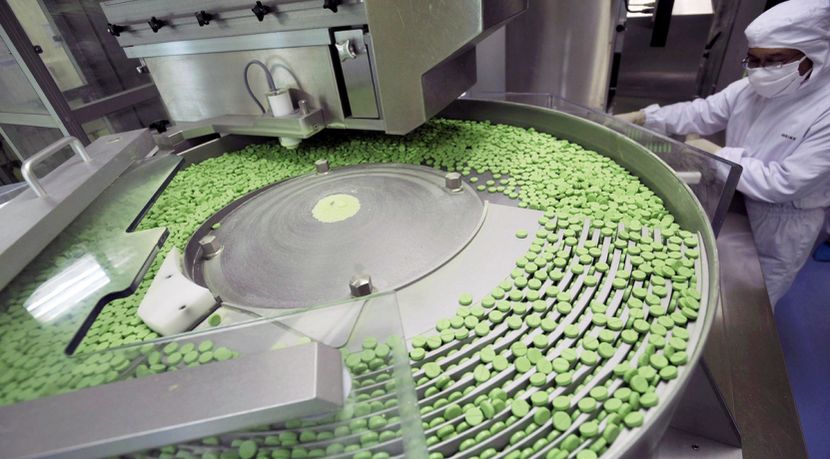
 Indonesia's pharmaceutical manufacturing industry remains heavily reliant on imported raw materials for drug production. The upstream pharmaceutical raw material industry is underdeveloped and unable to supply the raw materials needed by the downstream pharmaceutical manufacturing sector. Indonesia needs continuous investment and research in pharmaceutical raw material development to reduce dependence on imported active pharmaceutical ingredients. The Acting Director General of Chemicals, Pharmaceuticals, and Textiles at the Ministry of Industry stated that about 90% of raw materials for the pharmaceutical industry still need to be imported, with the main source countries being China and India. The huge demand for imported pharmaceutical raw materials makes the industry highly dependent on supply from the originating countries. Since almost all raw materials for this industry are imported, the sector is also vulnerable to fluctuations in the Indonesian rupiah exchange rate. The demand for imported pharmaceutical raw materials remains high, partly because the upstream pharmaceutical industry, i.e., the basic chemical industry, is still underdeveloped. The national pharmaceutical industry foundation is still shallow, particularly the basic chemical industry that produces pharmaceutical raw materials (BBO), whose supply cannot yet meet the demand of the pharmaceutical sector. The pharmaceutical raw material industry remains underdeveloped because the industry focuses on formulations. Most domestic pharmaceutical companies, whether domestic investment (PMDN) or foreign investment (PMA), still concentrate on formulating generic or non-patented drugs. Therefore, the pharmaceutical industry still needs to import, including several patented products, appropriate biological levels, and specific high-tech dosage forms.
According to Ministry of Industry data, there are currently 18 BBO industrial companies. They produce various types of BBO, including pharmaceutical salts and various types of BBO chemicals. The necessary measures include encouraging investment in the BBO industry, either through the emergence of new companies in the BBO sector or by conducting various studies on developing BBO product formulations. To encourage investment, fiscal incentives are needed to stimulate tax breaks to attract investors. The Secretary General of the Association of Biopharmaceuticals and Pharmaceutical Raw Materials stated that the development of downstream BBO requires long-term R&D. This is because drug consumption directly affects human health, so the process for BBO to meet requirements is relatively long. One ongoing effort is the development of domestic raw materials to meet the requirements for pharmaceutical salts, infusion raw materials, tablet solvents, and syrups. The Vice Chairman of the House of Representatives Commission VII stated that drugs are one of the essential commodities for society. The accessibility, affordability, and pricing of medicines are needed to support a healthy and strong society, so the development of this industry requires high attention.
Indonesia's pharmaceutical manufacturing industry remains heavily reliant on imported raw materials for drug production. The upstream pharmaceutical raw material industry is underdeveloped and unable to supply the raw materials needed by the downstream pharmaceutical manufacturing sector. Indonesia needs continuous investment and research in pharmaceutical raw material development to reduce dependence on imported active pharmaceutical ingredients. The Acting Director General of Chemicals, Pharmaceuticals, and Textiles at the Ministry of Industry stated that about 90% of raw materials for the pharmaceutical industry still need to be imported, with the main source countries being China and India. The huge demand for imported pharmaceutical raw materials makes the industry highly dependent on supply from the originating countries. Since almost all raw materials for this industry are imported, the sector is also vulnerable to fluctuations in the Indonesian rupiah exchange rate. The demand for imported pharmaceutical raw materials remains high, partly because the upstream pharmaceutical industry, i.e., the basic chemical industry, is still underdeveloped. The national pharmaceutical industry foundation is still shallow, particularly the basic chemical industry that produces pharmaceutical raw materials (BBO), whose supply cannot yet meet the demand of the pharmaceutical sector. The pharmaceutical raw material industry remains underdeveloped because the industry focuses on formulations. Most domestic pharmaceutical companies, whether domestic investment (PMDN) or foreign investment (PMA), still concentrate on formulating generic or non-patented drugs. Therefore, the pharmaceutical industry still needs to import, including several patented products, appropriate biological levels, and specific high-tech dosage forms.
According to Ministry of Industry data, there are currently 18 BBO industrial companies. They produce various types of BBO, including pharmaceutical salts and various types of BBO chemicals. The necessary measures include encouraging investment in the BBO industry, either through the emergence of new companies in the BBO sector or by conducting various studies on developing BBO product formulations. To encourage investment, fiscal incentives are needed to stimulate tax breaks to attract investors. The Secretary General of the Association of Biopharmaceuticals and Pharmaceutical Raw Materials stated that the development of downstream BBO requires long-term R&D. This is because drug consumption directly affects human health, so the process for BBO to meet requirements is relatively long. One ongoing effort is the development of domestic raw materials to meet the requirements for pharmaceutical salts, infusion raw materials, tablet solvents, and syrups. The Vice Chairman of the House of Representatives Commission VII stated that drugs are one of the essential commodities for society. The accessibility, affordability, and pricing of medicines are needed to support a healthy and strong society, so the development of this industry requires high attention.
Indonesia's pharmaceutical manufacturing industry remains heavily reliant on imported raw materials for drug production. The upstream pharmaceutical raw material industry is underdeveloped and unable to supply the raw materials needed by the downstream pharmaceutical manufacturing sector. Indonesia needs continuous investment and research in pharmaceutical raw material development to reduce dependence on imported active pharmaceutical ingredients. The Acting Director General of Chemicals, Pharmaceuticals, and Textiles at the Ministry of Industry stated that about 90% of raw materials for the pharmaceutical industry still need to be imported, with the main source countries being China and India. The huge demand for imported pharmaceutical raw materials makes the industry highly dependent on supply from the originating countries. Since almost all raw materials for this industry are imported, the sector is also vulnerable to fluctuations in the Indonesian rupiah exchange rate. The demand for imported pharmaceutical raw materials remains high, partly because the upstream pharmaceutical industry, i.e., the basic chemical industry, is still underdeveloped. The national pharmaceutical industry foundation is still shallow, particularly the basic chemical industry that produces pharmaceutical raw materials (BBO), whose supply cannot yet meet the demand of the pharmaceutical sector. The pharmaceutical raw material industry remains underdeveloped because the industry focuses on formulations. Most domestic pharmaceutical companies, whether domestic investment (PMDN) or foreign investment (PMA), still concentrate on formulating generic or non-patented drugs. Therefore, the pharmaceutical industry still needs to import, including several patented products, appropriate biological levels, and specific high-tech dosage forms.
According to Ministry of Industry data, there are currently 18 BBO industrial companies. They produce various types of BBO, including pharmaceutical salts and various types of BBO chemicals. The necessary measures include encouraging investment in the BBO industry, either through the emergence of new companies in the BBO sector or by conducting various studies on developing BBO product formulations. To encourage investment, fiscal incentives are needed to stimulate tax breaks to attract investors. The Secretary General of the Association of Biopharmaceuticals and Pharmaceutical Raw Materials stated that the development of downstream BBO requires long-term R&D. This is because drug consumption directly affects human health, so the process for BBO to meet requirements is relatively long. One ongoing effort is the development of domestic raw materials to meet the requirements for pharmaceutical salts, infusion raw materials, tablet solvents, and syrups. The Vice Chairman of the House of Representatives Commission VII stated that drugs are one of the essential commodities for society. The accessibility, affordability, and pricing of medicines are needed to support a healthy and strong society, so the development of this industry requires high attention.
Indonesia's pharmaceutical manufacturing industry remains heavily reliant on imported raw materials for drug production. The upstream pharmaceutical raw material industry is underdeveloped and unable to supply the raw materials needed by the downstream pharmaceutical manufacturing sector. Indonesia needs continuous investment and research in pharmaceutical raw material development to reduce dependence on imported active pharmaceutical ingredients. The Acting Director General of Chemicals, Pharmaceuticals, and Textiles at the Ministry of Industry stated that about 90% of raw materials for the pharmaceutical industry still need to be imported, with the main source countries being China and India. The huge demand for imported pharmaceutical raw materials makes the industry highly dependent on supply from the originating countries. Since almost all raw materials for this industry are imported, the sector is also vulnerable to fluctuations in the Indonesian rupiah exchange rate. The demand for imported pharmaceutical raw materials remains high, partly because the upstream pharmaceutical industry, i.e., the basic chemical industry, is still underdeveloped. The national pharmaceutical industry foundation is still shallow, particularly the basic chemical industry that produces pharmaceutical raw materials (BBO), whose supply cannot yet meet the demand of the pharmaceutical sector. The pharmaceutical raw material industry remains underdeveloped because the industry focuses on formulations. Most domestic pharmaceutical companies, whether domestic investment (PMDN) or foreign investment (PMA), still concentrate on formulating generic or non-patented drugs. Therefore, the pharmaceutical industry still needs to import, including several patented products, appropriate biological levels, and specific high-tech dosage forms.
According to Ministry of Industry data, there are currently 18 BBO industrial companies. They produce various types of BBO, including pharmaceutical salts and various types of BBO chemicals. The necessary measures include encouraging investment in the BBO industry, either through the emergence of new companies in the BBO sector or by conducting various studies on developing BBO product formulations. To encourage investment, fiscal incentives are needed to stimulate tax breaks to attract investors. The Secretary General of the Association of Biopharmaceuticals and Pharmaceutical Raw Materials stated that the development of downstream BBO requires long-term R&D. This is because drug consumption directly affects human health, so the process for BBO to meet requirements is relatively long. One ongoing effort is the development of domestic raw materials to meet the requirements for pharmaceutical salts, infusion raw materials, tablet solvents, and syrups. The Vice Chairman of the House of Representatives Commission VII stated that drugs are one of the essential commodities for society. The accessibility, affordability, and pricing of medicines are needed to support a healthy and strong society, so the development of this industry requires high attention.