
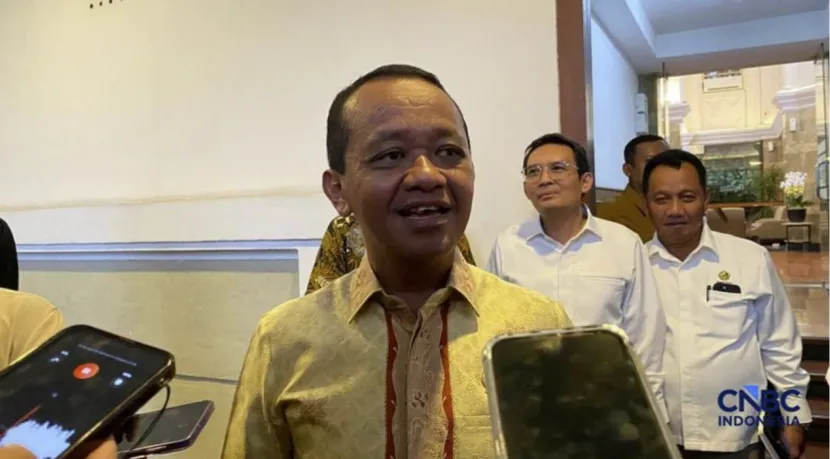
 Indonesia's Ministry of Energy and Mineral Resources, together with the Ministry of Finance and the Ministry of Investment and Downstream Industry recently held a coordination meeting specifically to address various operational concerns raised by Chinese-invested enterprises operating locally. Dozens of Chinese investors attended the meeting, focusing on actual obstacles encountered in the mining and downstream processing sectors.
The Minister of Finance confirmed that the meeting aimed to review the complaints listed in a letter circulating online. Officials listened carefully to the enterprises' demands and pledged to coordinate and resolve operational difficulties within their authority. The Minister of Energy and Mineral Resources stated that holding this communication meeting is an important measure by the Indonesian government to ensure the stable operation of foreign-invested enterprises.
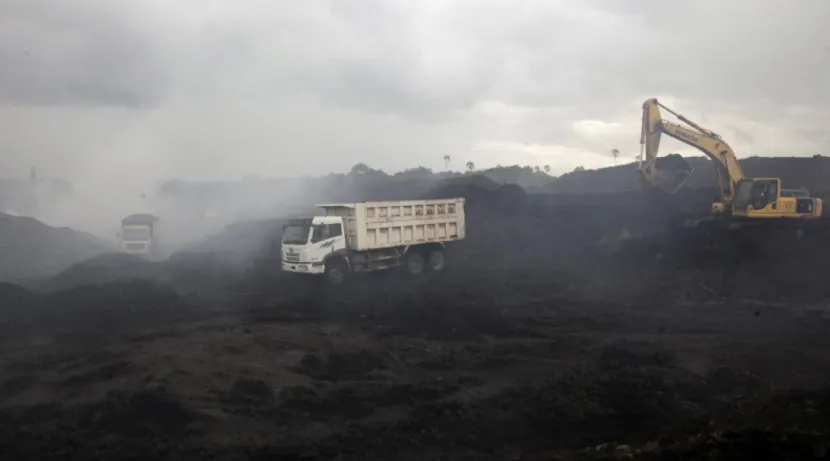
A total of nearly 30 Chinese-invested enterprises participated in the exchange. The three ministers and Chinese representatives jointly discussed solutions, striving to achieve the goal of win-win outcomes for both enterprise stable operation and national fiscal revenue growth. The government focused on addressing enterprises' concerns regarding the supply guarantee of nickel ore and bauxite raw materials, while simultaneously unifying information channels to ensure that the development of the mineral downstream industry aligns with national planning objectives. Relevant departments stated that they would regularly conduct evaluation meetings and periodically follow up on industry operational conditions.
A letter circulating online claimed that the Indonesia China Chamber of Commerce had sent a letter to President Prabowo, collectively reporting multiple policy and enforcement issues. The Chamber stated that Chinese-invested enterprises have always operated in compliance with local regulations and have contributed significantly to Indonesia's economic growth, employment, industrial chain improvement, and social welfare over the years. However, the business environment has recently undergone significant changes, severely impacting normal operations and substantially weakening overseas investment confidence. The main complaints from enterprises cover several core issues:
First, soaring tax burdens and harsh penalties. Taxes and resource royalties have been raised multiple times, and tax audits have increased in frequency. Enterprises are frequently facing fines of tens of millions of dollars, causing panic in the industry. Foreign exchange from natural resource exports must be deposited in state-owned banks at 50% of the amount and retained for at least one year, tying up capital and severely affecting cash flow and long-term business planning.
Second, significant reductions in mining quotas. Nickel mining quotas have been drastically reduced, with cuts of over 70% for large mines, totaling a reduction of approximately 30 million tons, directly impacting downstream industries such as new energy vehicles and stainless steel.
Third, strict forestry and project management penalties. Enforcement in the forestry sector is stringent, with Chinese-invested enterprises facing fines of up to USD 180 million for land use permit issues. Several hydropower projects have been ordered to suspend operations due to alleged ecological damage and exacerbation of flooding.
Fourth, restrictions on foreign talent mobility. Work visa procedures for foreign workers are cumbersome and costly, with restrictions on work areas, hindering the mobility of technical and management talent.
Fifth, soaring costs and operational pressure in the nickel industry. The nickel industry has become a focal point of conflict. After the government adjusted the benchmark pricing rules for nickel ore to include associated minerals such as cobalt and iron, the comprehensive cost of ore soared by two times, leading to significantly increased production costs, expanded losses, and supply-demand imbalance in the industrial chain.
These issues not only affect the progress of existing projects but also hinder subsequent investment and export trade, impacting over 400,000 jobs in the industrial chain and damaging the international reputation of Indonesia's nickel industry.
In addition, enterprises are concerned about the impact of multiple new policies, including additional export tariffs, cancellation of new energy vehicle subsidies, and reduction of tax incentives in special economic zones. Meanwhile, local enforcement standards lack uniformity, with excessive flexibility in tax, environmental, and forestry enforcement, and ineffective complaint channels. Many disputes can only be resolved through costly third-party mediation.
The Chamber acknowledged the value of bilateral economic and trade cooperation and is optimistic about Indonesia's development potential. Enterprises remain willing to continue contributing to local industrial upgrading and economic development, but criticize the lack of policy continuity and stability.
Enterprises urge the President to pay attention to existing issues, maintain a fair, transparent, and predictable business environment, unify enforcement standards, protect the legitimate rights and interests of foreign investors, optimize government-enterprise communication mechanisms, and reduce administrative barriers to problem resolution. They also expressed readiness to discuss details in person at any time.
The Indonesian government attaches great importance to these feedback demands, listening to voices through face-to-face meetings, striving to balance national control needs with the interests of foreign investors, and maintaining the stable development of bilateral investment cooperation.
Indonesia's Ministry of Energy and Mineral Resources, together with the Ministry of Finance and the Ministry of Investment and Downstream Industry recently held a coordination meeting specifically to address various operational concerns raised by Chinese-invested enterprises operating locally. Dozens of Chinese investors attended the meeting, focusing on actual obstacles encountered in the mining and downstream processing sectors.
The Minister of Finance confirmed that the meeting aimed to review the complaints listed in a letter circulating online. Officials listened carefully to the enterprises' demands and pledged to coordinate and resolve operational difficulties within their authority. The Minister of Energy and Mineral Resources stated that holding this communication meeting is an important measure by the Indonesian government to ensure the stable operation of foreign-invested enterprises.
A total of nearly 30 Chinese-invested enterprises participated in the exchange. The three ministers and Chinese representatives jointly discussed solutions, striving to achieve the goal of win-win outcomes for both enterprise stable operation and national fiscal revenue growth. The government focused on addressing enterprises' concerns regarding the supply guarantee of nickel ore and bauxite raw materials, while simultaneously unifying information channels to ensure that the development of the mineral downstream industry aligns with national planning objectives. Relevant departments stated that they would regularly conduct evaluation meetings and periodically follow up on industry operational conditions.
A letter circulating online claimed that the Indonesia China Chamber of Commerce had sent a letter to President Prabowo, collectively reporting multiple policy and enforcement issues. The Chamber stated that Chinese-invested enterprises have always operated in compliance with local regulations and have contributed significantly to Indonesia's economic growth, employment, industrial chain improvement, and social welfare over the years. However, the business environment has recently undergone significant changes, severely impacting normal operations and substantially weakening overseas investment confidence. The main complaints from enterprises cover several core issues:
First, soaring tax burdens and harsh penalties. Taxes and resource royalties have been raised multiple times, and tax audits have increased in frequency. Enterprises are frequently facing fines of tens of millions of dollars, causing panic in the industry. Foreign exchange from natural resource exports must be deposited in state-owned banks at 50% of the amount and retained for at least one year, tying up capital and severely affecting cash flow and long-term business planning.
Second, significant reductions in mining quotas. Nickel mining quotas have been drastically reduced, with cuts of over 70% for large mines, totaling a reduction of approximately 30 million tons, directly impacting downstream industries such as new energy vehicles and stainless steel.
Third, strict forestry and project management penalties. Enforcement in the forestry sector is stringent, with Chinese-invested enterprises facing fines of up to USD 180 million for land use permit issues. Several hydropower projects have been ordered to suspend operations due to alleged ecological damage and exacerbation of flooding.
Fourth, restrictions on foreign talent mobility. Work visa procedures for foreign workers are cumbersome and costly, with restrictions on work areas, hindering the mobility of technical and management talent.
Fifth, soaring costs and operational pressure in the nickel industry. The nickel industry has become a focal point of conflict. After the government adjusted the benchmark pricing rules for nickel ore to include associated minerals such as cobalt and iron, the comprehensive cost of ore soared by two times, leading to significantly increased production costs, expanded losses, and supply-demand imbalance in the industrial chain.
These issues not only affect the progress of existing projects but also hinder subsequent investment and export trade, impacting over 400,000 jobs in the industrial chain and damaging the international reputation of Indonesia's nickel industry.
In addition, enterprises are concerned about the impact of multiple new policies, including additional export tariffs, cancellation of new energy vehicle subsidies, and reduction of tax incentives in special economic zones. Meanwhile, local enforcement standards lack uniformity, with excessive flexibility in tax, environmental, and forestry enforcement, and ineffective complaint channels. Many disputes can only be resolved through costly third-party mediation.
The Chamber acknowledged the value of bilateral economic and trade cooperation and is optimistic about Indonesia's development potential. Enterprises remain willing to continue contributing to local industrial upgrading and economic development, but criticize the lack of policy continuity and stability.
Enterprises urge the President to pay attention to existing issues, maintain a fair, transparent, and predictable business environment, unify enforcement standards, protect the legitimate rights and interests of foreign investors, optimize government-enterprise communication mechanisms, and reduce administrative barriers to problem resolution. They also expressed readiness to discuss details in person at any time.
The Indonesian government attaches great importance to these feedback demands, listening to voices through face-to-face meetings, striving to balance national control needs with the interests of foreign investors, and maintaining the stable development of bilateral investment cooperation.
Indonesia's Ministry of Energy and Mineral Resources, together with the Ministry of Finance and the Ministry of Investment and Downstream Industry recently held a coordination meeting specifically to address various operational concerns raised by Chinese-invested enterprises operating locally. Dozens of Chinese investors attended the meeting, focusing on actual obstacles encountered in the mining and downstream processing sectors.
The Minister of Finance confirmed that the meeting aimed to review the complaints listed in a letter circulating online. Officials listened carefully to the enterprises' demands and pledged to coordinate and resolve operational difficulties within their authority. The Minister of Energy and Mineral Resources stated that holding this communication meeting is an important measure by the Indonesian government to ensure the stable operation of foreign-invested enterprises.
A total of nearly 30 Chinese-invested enterprises participated in the exchange. The three ministers and Chinese representatives jointly discussed solutions, striving to achieve the goal of win-win outcomes for both enterprise stable operation and national fiscal revenue growth. The government focused on addressing enterprises' concerns regarding the supply guarantee of nickel ore and bauxite raw materials, while simultaneously unifying information channels to ensure that the development of the mineral downstream industry aligns with national planning objectives. Relevant departments stated that they would regularly conduct evaluation meetings and periodically follow up on industry operational conditions.
A letter circulating online claimed that the Indonesia China Chamber of Commerce had sent a letter to President Prabowo, collectively reporting multiple policy and enforcement issues. The Chamber stated that Chinese-invested enterprises have always operated in compliance with local regulations and have contributed significantly to Indonesia's economic growth, employment, industrial chain improvement, and social welfare over the years. However, the business environment has recently undergone significant changes, severely impacting normal operations and substantially weakening overseas investment confidence. The main complaints from enterprises cover several core issues:
First, soaring tax burdens and harsh penalties. Taxes and resource royalties have been raised multiple times, and tax audits have increased in frequency. Enterprises are frequently facing fines of tens of millions of dollars, causing panic in the industry. Foreign exchange from natural resource exports must be deposited in state-owned banks at 50% of the amount and retained for at least one year, tying up capital and severely affecting cash flow and long-term business planning.
Second, significant reductions in mining quotas. Nickel mining quotas have been drastically reduced, with cuts of over 70% for large mines, totaling a reduction of approximately 30 million tons, directly impacting downstream industries such as new energy vehicles and stainless steel.
Third, strict forestry and project management penalties. Enforcement in the forestry sector is stringent, with Chinese-invested enterprises facing fines of up to USD 180 million for land use permit issues. Several hydropower projects have been ordered to suspend operations due to alleged ecological damage and exacerbation of flooding.
Fourth, restrictions on foreign talent mobility. Work visa procedures for foreign workers are cumbersome and costly, with restrictions on work areas, hindering the mobility of technical and management talent.
Fifth, soaring costs and operational pressure in the nickel industry. The nickel industry has become a focal point of conflict. After the government adjusted the benchmark pricing rules for nickel ore to include associated minerals such as cobalt and iron, the comprehensive cost of ore soared by two times, leading to significantly increased production costs, expanded losses, and supply-demand imbalance in the industrial chain.
These issues not only affect the progress of existing projects but also hinder subsequent investment and export trade, impacting over 400,000 jobs in the industrial chain and damaging the international reputation of Indonesia's nickel industry.
In addition, enterprises are concerned about the impact of multiple new policies, including additional export tariffs, cancellation of new energy vehicle subsidies, and reduction of tax incentives in special economic zones. Meanwhile, local enforcement standards lack uniformity, with excessive flexibility in tax, environmental, and forestry enforcement, and ineffective complaint channels. Many disputes can only be resolved through costly third-party mediation.
The Chamber acknowledged the value of bilateral economic and trade cooperation and is optimistic about Indonesia's development potential. Enterprises remain willing to continue contributing to local industrial upgrading and economic development, but criticize the lack of policy continuity and stability.
Enterprises urge the President to pay attention to existing issues, maintain a fair, transparent, and predictable business environment, unify enforcement standards, protect the legitimate rights and interests of foreign investors, optimize government-enterprise communication mechanisms, and reduce administrative barriers to problem resolution. They also expressed readiness to discuss details in person at any time.
The Indonesian government attaches great importance to these feedback demands, listening to voices through face-to-face meetings, striving to balance national control needs with the interests of foreign investors, and maintaining the stable development of bilateral investment cooperation.
Indonesia's Ministry of Energy and Mineral Resources, together with the Ministry of Finance and the Ministry of Investment and Downstream Industry recently held a coordination meeting specifically to address various operational concerns raised by Chinese-invested enterprises operating locally. Dozens of Chinese investors attended the meeting, focusing on actual obstacles encountered in the mining and downstream processing sectors.
The Minister of Finance confirmed that the meeting aimed to review the complaints listed in a letter circulating online. Officials listened carefully to the enterprises' demands and pledged to coordinate and resolve operational difficulties within their authority. The Minister of Energy and Mineral Resources stated that holding this communication meeting is an important measure by the Indonesian government to ensure the stable operation of foreign-invested enterprises.
A total of nearly 30 Chinese-invested enterprises participated in the exchange. The three ministers and Chinese representatives jointly discussed solutions, striving to achieve the goal of win-win outcomes for both enterprise stable operation and national fiscal revenue growth. The government focused on addressing enterprises' concerns regarding the supply guarantee of nickel ore and bauxite raw materials, while simultaneously unifying information channels to ensure that the development of the mineral downstream industry aligns with national planning objectives. Relevant departments stated that they would regularly conduct evaluation meetings and periodically follow up on industry operational conditions.
A letter circulating online claimed that the Indonesia China Chamber of Commerce had sent a letter to President Prabowo, collectively reporting multiple policy and enforcement issues. The Chamber stated that Chinese-invested enterprises have always operated in compliance with local regulations and have contributed significantly to Indonesia's economic growth, employment, industrial chain improvement, and social welfare over the years. However, the business environment has recently undergone significant changes, severely impacting normal operations and substantially weakening overseas investment confidence. The main complaints from enterprises cover several core issues:
First, soaring tax burdens and harsh penalties. Taxes and resource royalties have been raised multiple times, and tax audits have increased in frequency. Enterprises are frequently facing fines of tens of millions of dollars, causing panic in the industry. Foreign exchange from natural resource exports must be deposited in state-owned banks at 50% of the amount and retained for at least one year, tying up capital and severely affecting cash flow and long-term business planning.
Second, significant reductions in mining quotas. Nickel mining quotas have been drastically reduced, with cuts of over 70% for large mines, totaling a reduction of approximately 30 million tons, directly impacting downstream industries such as new energy vehicles and stainless steel.
Third, strict forestry and project management penalties. Enforcement in the forestry sector is stringent, with Chinese-invested enterprises facing fines of up to USD 180 million for land use permit issues. Several hydropower projects have been ordered to suspend operations due to alleged ecological damage and exacerbation of flooding.
Fourth, restrictions on foreign talent mobility. Work visa procedures for foreign workers are cumbersome and costly, with restrictions on work areas, hindering the mobility of technical and management talent.
Fifth, soaring costs and operational pressure in the nickel industry. The nickel industry has become a focal point of conflict. After the government adjusted the benchmark pricing rules for nickel ore to include associated minerals such as cobalt and iron, the comprehensive cost of ore soared by two times, leading to significantly increased production costs, expanded losses, and supply-demand imbalance in the industrial chain.
These issues not only affect the progress of existing projects but also hinder subsequent investment and export trade, impacting over 400,000 jobs in the industrial chain and damaging the international reputation of Indonesia's nickel industry.
In addition, enterprises are concerned about the impact of multiple new policies, including additional export tariffs, cancellation of new energy vehicle subsidies, and reduction of tax incentives in special economic zones. Meanwhile, local enforcement standards lack uniformity, with excessive flexibility in tax, environmental, and forestry enforcement, and ineffective complaint channels. Many disputes can only be resolved through costly third-party mediation.
The Chamber acknowledged the value of bilateral economic and trade cooperation and is optimistic about Indonesia's development potential. Enterprises remain willing to continue contributing to local industrial upgrading and economic development, but criticize the lack of policy continuity and stability.
Enterprises urge the President to pay attention to existing issues, maintain a fair, transparent, and predictable business environment, unify enforcement standards, protect the legitimate rights and interests of foreign investors, optimize government-enterprise communication mechanisms, and reduce administrative barriers to problem resolution. They also expressed readiness to discuss details in person at any time.
The Indonesian government attaches great importance to these feedback demands, listening to voices through face-to-face meetings, striving to balance national control needs with the interests of foreign investors, and maintaining the stable development of bilateral investment cooperation.