

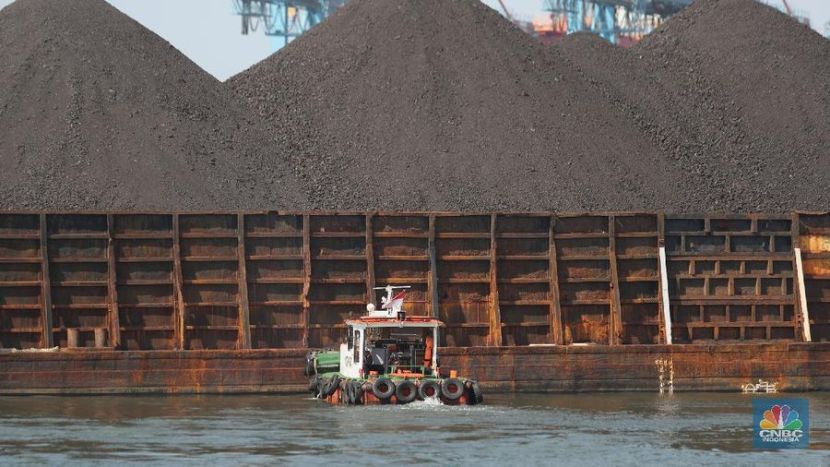
 Affected by energy crisis concerns, international coal prices have risen sharply in the past two days. According to Refinitiv data, on March 12, 2026, coal prices closed at $138.75 per ton, up 2.85% in a single day, with a cumulative increase of 5.8% over two days. This coal price surge was mainly driven by soaring oil prices. U.S. West Texas Intermediate (WTI) crude oil rose 9.72% to close at $95.73 per barrel; Brent crude rose 9.22% to close at $100.46 per barrel, marking the first time above the $100 mark since August 2022. The situation in the Middle East remains tense, with the Strait of Hormuz effectively blockaded, triggering a global energy supply panic, leading many countries to increase coal usage as a substitute for oil and gas.
To address energy shortages, both China and India have increased coal consumption and production. India's current coal inventory is about 210 million tons, the highest level in recent years, including 127 million tons from state-owned coal mines, 15 million tons from commercial mines, 54 million tons at power plants, and 14 million tons in transit. The Indian central government has requested the Ministry of Coal to closely coordinate with states, prioritizing supply to key sectors such as livelihoods, electricity, college cafeterias, and hotel catering, while simplifying coal distribution regulations to ensure normal economic operations.
South Korea is accelerating the restart of idle nuclear power units, with six units expected to resume operations by mid-May, while also considering restarting decommissioned coal-fired power plants and accelerating renewable energy development. The European Union has proposed accelerating clean energy construction while not ruling out price caps on natural gas. However, the International Energy Agency (IEA) points out that high fossil fuel prices are driving up material and financing costs, coupled with insufficient grid investment, which may drag on renewable energy expansion in the short term. On the supply side, Mongolia's coal exports fell sharply in February 2026, totaling less than 7 million tons, a month-on-month decline of 37.37%, an eight-month low. This was mainly due to obstacles in exports to China, with poor border logistics, limited transportation capacity, and weakening demand from Chinese steel mills jointly leading to the reduction in export volume.
Affected by energy crisis concerns, international coal prices have risen sharply in the past two days. According to Refinitiv data, on March 12, 2026, coal prices closed at $138.75 per ton, up 2.85% in a single day, with a cumulative increase of 5.8% over two days. This coal price surge was mainly driven by soaring oil prices. U.S. West Texas Intermediate (WTI) crude oil rose 9.72% to close at $95.73 per barrel; Brent crude rose 9.22% to close at $100.46 per barrel, marking the first time above the $100 mark since August 2022. The situation in the Middle East remains tense, with the Strait of Hormuz effectively blockaded, triggering a global energy supply panic, leading many countries to increase coal usage as a substitute for oil and gas.
To address energy shortages, both China and India have increased coal consumption and production. India's current coal inventory is about 210 million tons, the highest level in recent years, including 127 million tons from state-owned coal mines, 15 million tons from commercial mines, 54 million tons at power plants, and 14 million tons in transit. The Indian central government has requested the Ministry of Coal to closely coordinate with states, prioritizing supply to key sectors such as livelihoods, electricity, college cafeterias, and hotel catering, while simplifying coal distribution regulations to ensure normal economic operations.
South Korea is accelerating the restart of idle nuclear power units, with six units expected to resume operations by mid-May, while also considering restarting decommissioned coal-fired power plants and accelerating renewable energy development. The European Union has proposed accelerating clean energy construction while not ruling out price caps on natural gas. However, the International Energy Agency (IEA) points out that high fossil fuel prices are driving up material and financing costs, coupled with insufficient grid investment, which may drag on renewable energy expansion in the short term. On the supply side, Mongolia's coal exports fell sharply in February 2026, totaling less than 7 million tons, a month-on-month decline of 37.37%, an eight-month low. This was mainly due to obstacles in exports to China, with poor border logistics, limited transportation capacity, and weakening demand from Chinese steel mills jointly leading to the reduction in export volume.
Multiple Countries Plan to Replace Oil and Gas with Coal
2026-03-14
Source
Affected by energy crisis concerns, international coal prices have risen sharply in the past two days. According to Refinitiv data, on March 12, 2026, coal prices closed at $138.75 per ton, up 2.85% in a single day, with a cumulative increase of 5.8% over two days. The surge in coal prices was mainly driven by the sharp rise in oil prices. U.S. West Texas Intermediate (WTI) crude oil rose 9.72% to close at $95.73 per barrel; Brent crude
Affected by energy crisis concerns, international coal prices have risen sharply in the past two days. According to Refinitiv data, on March 12, 2026, coal prices closed at $138.75 per ton, up 2.85% in a single day, with a cumulative increase of 5.8% over two days. This coal price surge was mainly driven by soaring oil prices. U.S. West Texas Intermediate (WTI) crude oil rose 9.72% to close at $95.73 per barrel; Brent crude rose 9.22% to close at $100.46 per barrel, marking the first time above the $100 mark since August 2022. The situation in the Middle East remains tense, with the Strait of Hormuz effectively blockaded, triggering a global energy supply panic, leading many countries to increase coal usage as a substitute for oil and gas.
To address energy shortages, both China and India have increased coal consumption and production. India's current coal inventory is about 210 million tons, the highest level in recent years, including 127 million tons from state-owned coal mines, 15 million tons from commercial mines, 54 million tons at power plants, and 14 million tons in transit. The Indian central government has requested the Ministry of Coal to closely coordinate with states, prioritizing supply to key sectors such as livelihoods, electricity, college cafeterias, and hotel catering, while simplifying coal distribution regulations to ensure normal economic operations.
South Korea is accelerating the restart of idle nuclear power units, with six units expected to resume operations by mid-May, while also considering restarting decommissioned coal-fired power plants and accelerating renewable energy development. The European Union has proposed accelerating clean energy construction while not ruling out price caps on natural gas. However, the International Energy Agency (IEA) points out that high fossil fuel prices are driving up material and financing costs, coupled with insufficient grid investment, which may drag on renewable energy expansion in the short term. On the supply side, Mongolia's coal exports fell sharply in February 2026, totaling less than 7 million tons, a month-on-month decline of 37.37%, an eight-month low. This was mainly due to obstacles in exports to China, with poor border logistics, limited transportation capacity, and weakening demand from Chinese steel mills jointly leading to the reduction in export volume.