
 In recent years, the textile and textile product (TPT) industry in West Java Province has faced tremendous pressure, with many factories reportedly suspending production and closing, and many companies relocating production lines to Central Java to reduce operating costs.
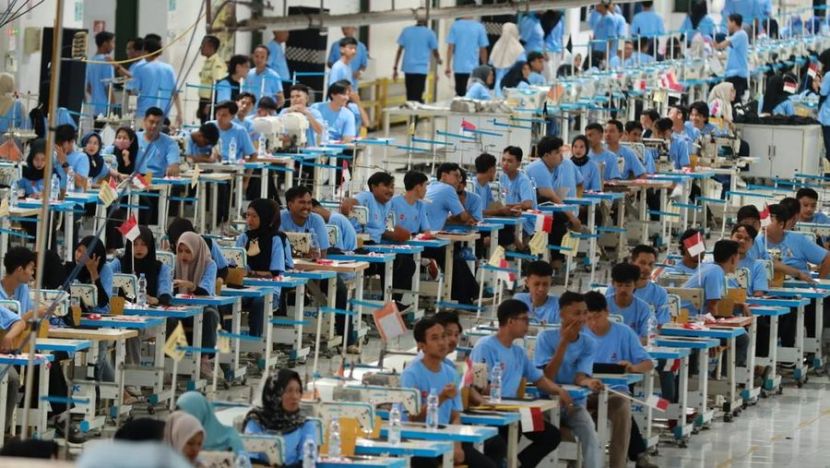
Against this backdrop, the West Java Industrial Park has instead attracted a new wave of Chinese investors, mainly in the garment (ready-made clothing) sector, a phenomenon that has become a new dynamic in Indonesia's national textile industry landscape.
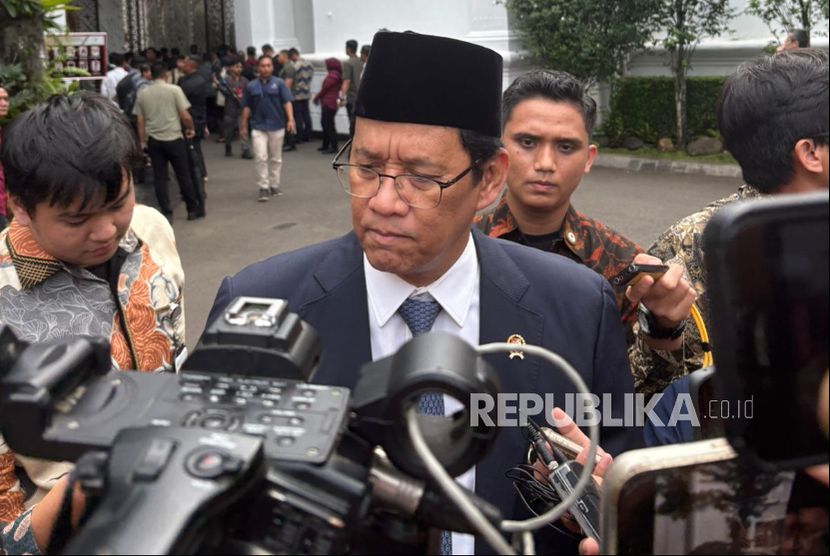
The Sales and Tenant Relations Manager of Suryacipta Industrial Park stated that many Chinese garment companies have entered the park to invest and set up factories. In terms of the number of companies, the garment industry has become one of the main tenant industries, with about 35% of tenants being in the garment industry among Chinese-invested enterprises, a very prominent proportion.
This wave of new investment is particularly notable because it comes at a time when Indonesia's domestic textile industry is facing multiple challenges. In the past few years, a large number of textile factories in West Java have closed or relocated, mainly due to rising production costs, including wages and operating expenses. In contrast, Central Java offers a more competitive cost environment for labor-intensive industries.
Despite the pressure on the domestic textile industry, West Java still has a unique appeal to foreign investors. Its mature industrial ecosystem is an advantage that other regions find hard to replace. She explained that garment companies' factories are usually around 5 to 6 hectares, relatively small in land area, so the number of tenants has grown significantly faster than for large industries such as automobiles.
In terms of land use, the automotive industry still occupies the largest area, with a single factory often requiring over 100 hectares of land, a huge difference from the garment industry.
The entry of multiple new Chinese garment factories sends a clear signal: West Java remains an important destination for manufacturing investment. Despite the pressure on the domestic textile industry, the continued influx of foreign garment investors proves that the West Java Industrial Park remains highly competitive. Several Chinese garment companies have officially landed and started building production facilities. In terms of the number of companies, Chinese garment industry investors dominate among new foreign investments.
This trend also shows that during the industrial transformation, West Java can still leverage its advantages to attract foreign investment and stabilize the manufacturing base.
In recent years, the textile and textile product (TPT) industry in West Java Province has faced tremendous pressure, with many factories reportedly suspending production and closing, and many companies relocating production lines to Central Java to reduce operating costs.
Against this backdrop, the West Java Industrial Park has instead attracted a new wave of Chinese investors, mainly in the garment (ready-made clothing) sector, a phenomenon that has become a new dynamic in Indonesia's national textile industry landscape.
The Sales and Tenant Relations Manager of Suryacipta Industrial Park stated that many Chinese garment companies have entered the park to invest and set up factories. In terms of the number of companies, the garment industry has become one of the main tenant industries, with about 35% of tenants being in the garment industry among Chinese-invested enterprises, a very prominent proportion.
This wave of new investment is particularly notable because it comes at a time when Indonesia's domestic textile industry is facing multiple challenges. In the past few years, a large number of textile factories in West Java have closed or relocated, mainly due to rising production costs, including wages and operating expenses. In contrast, Central Java offers a more competitive cost environment for labor-intensive industries.
Despite the pressure on the domestic textile industry, West Java still has a unique appeal to foreign investors. Its mature industrial ecosystem is an advantage that other regions find hard to replace. She explained that garment companies' factories are usually around 5 to 6 hectares, relatively small in land area, so the number of tenants has grown significantly faster than for large industries such as automobiles.
In terms of land use, the automotive industry still occupies the largest area, with a single factory often requiring over 100 hectares of land, a huge difference from the garment industry.
The entry of multiple new Chinese garment factories sends a clear signal: West Java remains an important destination for manufacturing investment. Despite the pressure on the domestic textile industry, the continued influx of foreign garment investors proves that the West Java Industrial Park remains highly competitive. Several Chinese garment companies have officially landed and started building production facilities. In terms of the number of companies, Chinese garment industry investors dominate among new foreign investments.
This trend also shows that during the industrial transformation, West Java can still leverage its advantages to attract foreign investment and stabilize the manufacturing base.
Chinese Garment Companies Enter West Java Industrial Park
2026-03-17
Source
In recent years, the textile and textile product (TPT) industry in West Java Province has faced tremendous pressure, with many factories reportedly suspending production and closing, and many companies relocating production lines to Central Java to reduce operating costs. Against this backdrop, the West Java Industrial Park has instead attracted a new wave of Chinese investors, mainly in the garment (ready-made clothing) sector, a phenomenon that has become
In recent years, the textile and textile product (TPT) industry in West Java Province has faced tremendous pressure, with many factories reportedly suspending production and closing, and many companies relocating production lines to Central Java to reduce operating costs.
Against this backdrop, the West Java Industrial Park has instead attracted a new wave of Chinese investors, mainly in the garment (ready-made clothing) sector, a phenomenon that has become a new dynamic in Indonesia's national textile industry landscape.
The Sales and Tenant Relations Manager of Suryacipta Industrial Park stated that many Chinese garment companies have entered the park to invest and set up factories. In terms of the number of companies, the garment industry has become one of the main tenant industries, with about 35% of tenants being in the garment industry among Chinese-invested enterprises, a very prominent proportion.
This wave of new investment is particularly notable because it comes at a time when Indonesia's domestic textile industry is facing multiple challenges. In the past few years, a large number of textile factories in West Java have closed or relocated, mainly due to rising production costs, including wages and operating expenses. In contrast, Central Java offers a more competitive cost environment for labor-intensive industries.
Despite the pressure on the domestic textile industry, West Java still has a unique appeal to foreign investors. Its mature industrial ecosystem is an advantage that other regions find hard to replace. She explained that garment companies' factories are usually around 5 to 6 hectares, relatively small in land area, so the number of tenants has grown significantly faster than for large industries such as automobiles.
In terms of land use, the automotive industry still occupies the largest area, with a single factory often requiring over 100 hectares of land, a huge difference from the garment industry.
The entry of multiple new Chinese garment factories sends a clear signal: West Java remains an important destination for manufacturing investment. Despite the pressure on the domestic textile industry, the continued influx of foreign garment investors proves that the West Java Industrial Park remains highly competitive. Several Chinese garment companies have officially landed and started building production facilities. In terms of the number of companies, Chinese garment industry investors dominate among new foreign investments.
This trend also shows that during the industrial transformation, West Java can still leverage its advantages to attract foreign investment and stabilize the manufacturing base.