
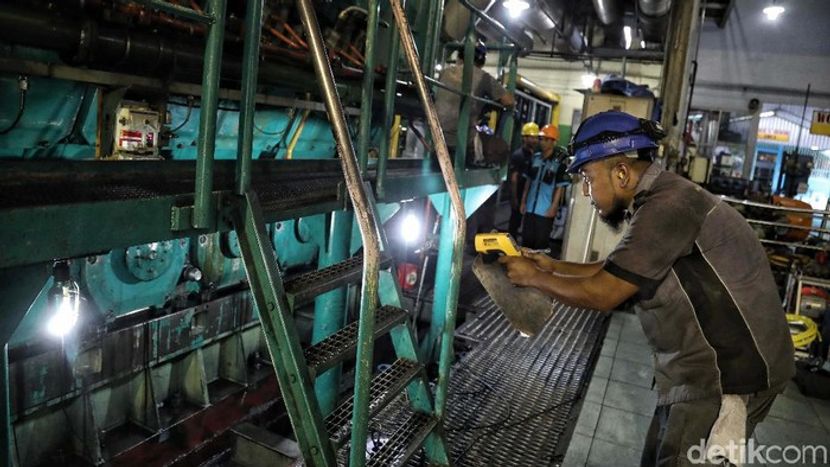
 The Indonesian government announced that it will gradually phase out diesel power plants (PLTD), and future electricity supply will be replaced by solar power plants (PLTS). This plan is an important part of the 100 GW solar power plant construction target proposed by the Ministry of Energy and Mineral Resources.
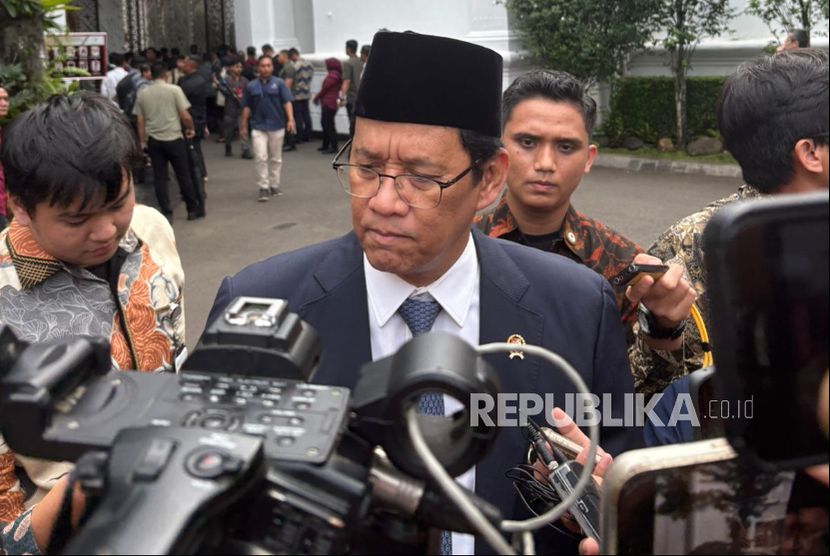
The Deputy Minister of Energy and Mineral Resources stated in Jakarta that areas still relying on diesel power will be converted in batches to solar power supply. He revealed that the Ministry, through the Directorate General of Electricity and the Directorate General of New and Renewable Energy, has completed planning and identified more than 30 priority locations for solar power plant construction, with a focus on eastern Indonesia, where dependence on diesel power is still high and the need for transition is most urgent. Earlier, the Minister of Energy and Mineral Resources also announced that the government plans to formally launch the diesel power plant replacement project after Eid al-Fitr, prioritizing the conversion of diesel-fueled power plants into solar and geothermal power projects. He emphasized that this is a key step in the energy transition and must be comprehensively implemented.
The core goal of this energy transition plan is to maximize the utilization of Indonesia's domestic renewable energy potential, reduce dependence on fossil fuels, thereby enhancing national energy resilience and avoiding shocks from global energy price fluctuations and geopolitical conflicts.
The Minister stated that by fully developing domestic clean energy, Indonesia can effectively reduce energy import risks and ensure national energy security. As diesel power plants are gradually phased out, clean energy sources such as solar and geothermal will occupy a more important position in Indonesia's electricity mix.The government hopes that through this transition, it can achieve environmental carbon reduction while stabilizing electricity prices and improving the reliability of power supply in remote areas, ultimately promoting the national energy system towards a cleaner and more sustainable direction.
The Indonesian government announced that it will gradually phase out diesel power plants (PLTD), and future electricity supply will be replaced by solar power plants (PLTS). This plan is an important part of the 100 GW solar power plant construction target proposed by the Ministry of Energy and Mineral Resources.
The Deputy Minister of Energy and Mineral Resources stated in Jakarta that areas still relying on diesel power will be converted in batches to solar power supply. He revealed that the Ministry, through the Directorate General of Electricity and the Directorate General of New and Renewable Energy, has completed planning and identified more than 30 priority locations for solar power plant construction, with a focus on eastern Indonesia, where dependence on diesel power is still high and the need for transition is most urgent. Earlier, the Minister of Energy and Mineral Resources also announced that the government plans to formally launch the diesel power plant replacement project after Eid al-Fitr, prioritizing the conversion of diesel-fueled power plants into solar and geothermal power projects. He emphasized that this is a key step in the energy transition and must be comprehensively implemented.
The core goal of this energy transition plan is to maximize the utilization of Indonesia's domestic renewable energy potential, reduce dependence on fossil fuels, thereby enhancing national energy resilience and avoiding shocks from global energy price fluctuations and geopolitical conflicts.
The Minister stated that by fully developing domestic clean energy, Indonesia can effectively reduce energy import risks and ensure national energy security. As diesel power plants are gradually phased out, clean energy sources such as solar and geothermal will occupy a more important position in Indonesia's electricity mix.The government hopes that through this transition, it can achieve environmental carbon reduction while stabilizing electricity prices and improving the reliability of power supply in remote areas, ultimately promoting the national energy system towards a cleaner and more sustainable direction.
Indonesian Solar Power Plants to Replace Diesel Power Plants
2026-03-16
Source
The Indonesian government announced that it will gradually phase out diesel power plants (PLTD), and future electricity supply will be replaced by solar power plants (PLTS). This plan is an important part of the 100 GW solar power plant construction target previously proposed by the Ministry of Energy and Mineral Resources. The Deputy Minister of Energy and Mineral Resources stated in Jakarta that areas still relying on diesel power will be converted in batches to
The Indonesian government announced that it will gradually phase out diesel power plants (PLTD), and future electricity supply will be replaced by solar power plants (PLTS). This plan is an important part of the 100 GW solar power plant construction target proposed by the Ministry of Energy and Mineral Resources.
The Deputy Minister of Energy and Mineral Resources stated in Jakarta that areas still relying on diesel power will be converted in batches to solar power supply. He revealed that the Ministry, through the Directorate General of Electricity and the Directorate General of New and Renewable Energy, has completed planning and identified more than 30 priority locations for solar power plant construction, with a focus on eastern Indonesia, where dependence on diesel power is still high and the need for transition is most urgent. Earlier, the Minister of Energy and Mineral Resources also announced that the government plans to formally launch the diesel power plant replacement project after Eid al-Fitr, prioritizing the conversion of diesel-fueled power plants into solar and geothermal power projects. He emphasized that this is a key step in the energy transition and must be comprehensively implemented.
The core goal of this energy transition plan is to maximize the utilization of Indonesia's domestic renewable energy potential, reduce dependence on fossil fuels, thereby enhancing national energy resilience and avoiding shocks from global energy price fluctuations and geopolitical conflicts.
The Minister stated that by fully developing domestic clean energy, Indonesia can effectively reduce energy import risks and ensure national energy security. As diesel power plants are gradually phased out, clean energy sources such as solar and geothermal will occupy a more important position in Indonesia's electricity mix.The government hopes that through this transition, it can achieve environmental carbon reduction while stabilizing electricity prices and improving the reliability of power supply in remote areas, ultimately promoting the national energy system towards a cleaner and more sustainable direction.