



Similar discoveries
Recommendations for content in the same category
Industry News
2026-06-04
Sticky
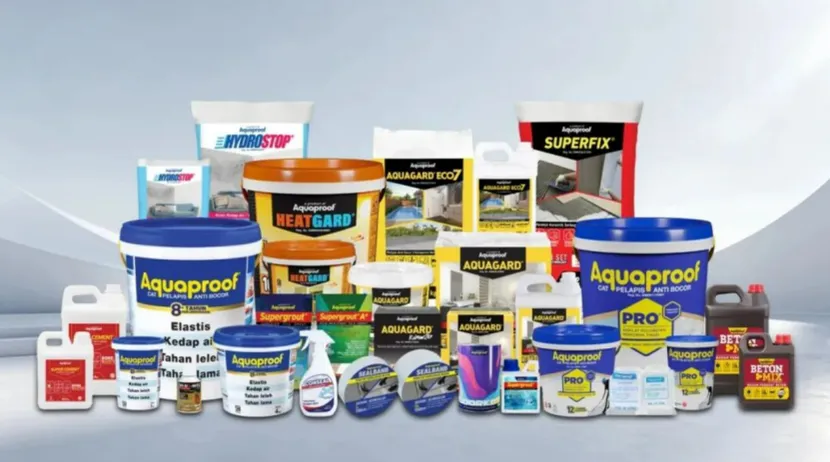
Chinese Building Materials Company Expands into Indonesian Market through Acquisition
To implement its internationalization strategy and expand overseas markets, Oriental Yuhong officially disclosed a cross-border acquisition plan. Recently, the company's board of directors reviewed relevant proposals and finalized the acquisition of 55% controlling stakes in t...

Industry News
2026-06-12
Chinese Lithium Enterprises Intensify Investment in Indonesian Market
Lopal Technology recently issued an announcement on foreign investment. The company's controlled subsidiary, Liyuan Asia Pacific, plans to build the third phase of the Indonesia Liyuan new energy battery cathode material project in the Batang Comprehensive Industrial Park, Cen...

Industry News
2026-06-11
Chinese Auto Brands Face Intense Competition in Indonesian Market
In May 2026, the Indonesian four-wheeled vehicle market weakened, with both wholesale and retail sales declining month-on-month. Manufacturers' wholesale volume to dealers was only 69,219 units, down 14.3% month-on-month; dealers' retail sales to end consumers were 71,890 unit...
Industry News
2026-06-10
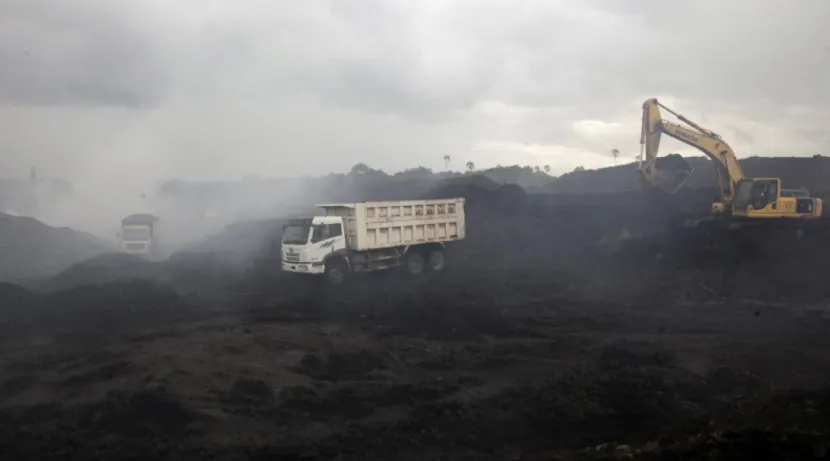
Indonesia's Mineral and Coal Industry Revenue Distribution Mechanism Unchanged
Indonesian Mining Association (IMA) applauds the government's decision to abandon the implementation of the oil and gas gross split revenue distribution scheme in the mineral and coal sector, stating that it eliminates major policy uncertainties that disrupt mining investment ...