
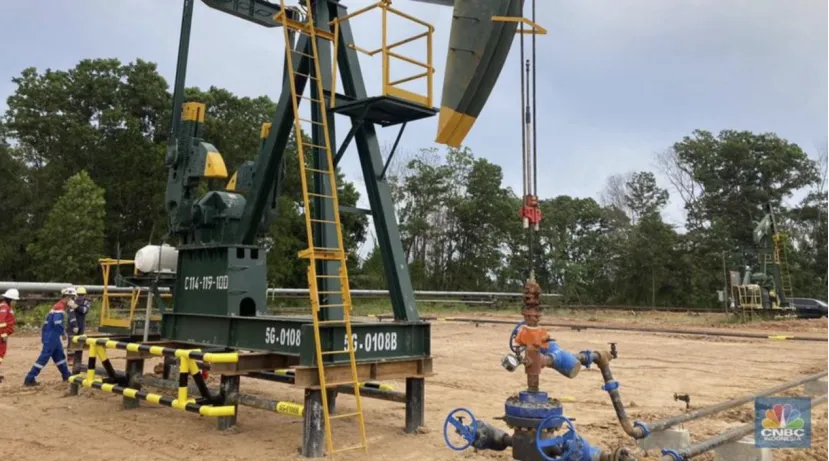
 The Ministry of Transmigration recently disclosed that 13 oil and gas wells have been newly discovered in the Samboja Transmigration Area, Kutai Kartanegara Regency, East Kalimantan Province. The exploration sites are located near the Nusantara new capital area, offering extremely high development value. According to assessments, these oil and gas resources hold an economic potential of IDR 2.5 trillion, expected to transform the local transmigration area into a new regional economic growth hub, completely changing the previous single-sector reliance on agriculture. The Minister stated that this major oil and gas discovery will further perfect Indonesia's regional development policy leveraging local natural resource potential. They will immediately initiate cross-sector coordination efforts to advance subsequent exploration procedures and accelerate the rational development and utilization of national energy resources.
The Ministry stated via its official social media platform that the discovery of 13 oil and gas wells in the Samboja Transmigration Area is a critical turning point for the region's future development. Previously, the transmigration area's economy was heavily dependent on agriculture. The arrival of oil and gas resources will drive industrial structure upgrading, create new economic growth points, and inject strong momentum into local long-term development. According to the plan, the first round of on-site exploration is scheduled to officially commence in June 2026. The Ministry of Transmigration will cooperate with the upstream oil and gas industry task force and the upstream subsidiary of the national oil company to coordinate resource exploration, reserve verification, and development planning, ensuring the project is implemented in a standardized and orderly manner.
The development of these oil and gas wells carries multiple significances. It will not only bring substantial investment returns but also drive supporting infrastructure construction around the new capital. With the establishment of the upstream oil and gas industry, a large number of jobs will be created, absorbing local and transmigration area labor, effectively improving residents' income levels and quality of life. Officials emphasized that this oil and gas exploration and development is not merely an investment project but also an important catalyst for regional development. It will strengthen Indonesia's national energy self-sufficiency capacity, broaden employment channels, enhance the welfare of transmigration area residents, and improve the economic support belt around the new capital, achieving the multiple objectives of energy development, improvement of transmigration livelihoods, and coordinated regional development of the new capital.
The Ministry of Transmigration recently disclosed that 13 oil and gas wells have been newly discovered in the Samboja Transmigration Area, Kutai Kartanegara Regency, East Kalimantan Province. The exploration sites are located near the Nusantara new capital area, offering extremely high development value. According to assessments, these oil and gas resources hold an economic potential of IDR 2.5 trillion, expected to transform the local transmigration area into a new regional economic growth hub, completely changing the previous single-sector reliance on agriculture. The Minister stated that this major oil and gas discovery will further perfect Indonesia's regional development policy leveraging local natural resource potential. They will immediately initiate cross-sector coordination efforts to advance subsequent exploration procedures and accelerate the rational development and utilization of national energy resources.
The Ministry stated via its official social media platform that the discovery of 13 oil and gas wells in the Samboja Transmigration Area is a critical turning point for the region's future development. Previously, the transmigration area's economy was heavily dependent on agriculture. The arrival of oil and gas resources will drive industrial structure upgrading, create new economic growth points, and inject strong momentum into local long-term development. According to the plan, the first round of on-site exploration is scheduled to officially commence in June 2026. The Ministry of Transmigration will cooperate with the upstream oil and gas industry task force and the upstream subsidiary of the national oil company to coordinate resource exploration, reserve verification, and development planning, ensuring the project is implemented in a standardized and orderly manner.
The development of these oil and gas wells carries multiple significances. It will not only bring substantial investment returns but also drive supporting infrastructure construction around the new capital. With the establishment of the upstream oil and gas industry, a large number of jobs will be created, absorbing local and transmigration area labor, effectively improving residents' income levels and quality of life. Officials emphasized that this oil and gas exploration and development is not merely an investment project but also an important catalyst for regional development. It will strengthen Indonesia's national energy self-sufficiency capacity, broaden employment channels, enhance the welfare of transmigration area residents, and improve the economic support belt around the new capital, achieving the multiple objectives of energy development, improvement of transmigration livelihoods, and coordinated regional development of the new capital.
The Ministry of Transmigration recently disclosed that 13 oil and gas wells have been newly discovered in the Samboja Transmigration Area, Kutai Kartanegara Regency, East Kalimantan Province. The exploration sites are located near the Nusantara new capital area, offering extremely high development value. According to assessments, these oil and gas resources hold an economic potential of IDR 2.5 trillion, expected to transform the local transmigration area into a new regional economic growth hub, completely changing the previous single-sector reliance on agriculture. The Minister stated that this major oil and gas discovery will further perfect Indonesia's regional development policy leveraging local natural resource potential. They will immediately initiate cross-sector coordination efforts to advance subsequent exploration procedures and accelerate the rational development and utilization of national energy resources.
The Ministry stated via its official social media platform that the discovery of 13 oil and gas wells in the Samboja Transmigration Area is a critical turning point for the region's future development. Previously, the transmigration area's economy was heavily dependent on agriculture. The arrival of oil and gas resources will drive industrial structure upgrading, create new economic growth points, and inject strong momentum into local long-term development. According to the plan, the first round of on-site exploration is scheduled to officially commence in June 2026. The Ministry of Transmigration will cooperate with the upstream oil and gas industry task force and the upstream subsidiary of the national oil company to coordinate resource exploration, reserve verification, and development planning, ensuring the project is implemented in a standardized and orderly manner.
The development of these oil and gas wells carries multiple significances. It will not only bring substantial investment returns but also drive supporting infrastructure construction around the new capital. With the establishment of the upstream oil and gas industry, a large number of jobs will be created, absorbing local and transmigration area labor, effectively improving residents' income levels and quality of life. Officials emphasized that this oil and gas exploration and development is not merely an investment project but also an important catalyst for regional development. It will strengthen Indonesia's national energy self-sufficiency capacity, broaden employment channels, enhance the welfare of transmigration area residents, and improve the economic support belt around the new capital, achieving the multiple objectives of energy development, improvement of transmigration livelihoods, and coordinated regional development of the new capital.
The Ministry of Transmigration recently disclosed that 13 oil and gas wells have been newly discovered in the Samboja Transmigration Area, Kutai Kartanegara Regency, East Kalimantan Province. The exploration sites are located near the Nusantara new capital area, offering extremely high development value. According to assessments, these oil and gas resources hold an economic potential of IDR 2.5 trillion, expected to transform the local transmigration area into a new regional economic growth hub, completely changing the previous single-sector reliance on agriculture. The Minister stated that this major oil and gas discovery will further perfect Indonesia's regional development policy leveraging local natural resource potential. They will immediately initiate cross-sector coordination efforts to advance subsequent exploration procedures and accelerate the rational development and utilization of national energy resources.
The Ministry stated via its official social media platform that the discovery of 13 oil and gas wells in the Samboja Transmigration Area is a critical turning point for the region's future development. Previously, the transmigration area's economy was heavily dependent on agriculture. The arrival of oil and gas resources will drive industrial structure upgrading, create new economic growth points, and inject strong momentum into local long-term development. According to the plan, the first round of on-site exploration is scheduled to officially commence in June 2026. The Ministry of Transmigration will cooperate with the upstream oil and gas industry task force and the upstream subsidiary of the national oil company to coordinate resource exploration, reserve verification, and development planning, ensuring the project is implemented in a standardized and orderly manner.
The development of these oil and gas wells carries multiple significances. It will not only bring substantial investment returns but also drive supporting infrastructure construction around the new capital. With the establishment of the upstream oil and gas industry, a large number of jobs will be created, absorbing local and transmigration area labor, effectively improving residents' income levels and quality of life. Officials emphasized that this oil and gas exploration and development is not merely an investment project but also an important catalyst for regional development. It will strengthen Indonesia's national energy self-sufficiency capacity, broaden employment channels, enhance the welfare of transmigration area residents, and improve the economic support belt around the new capital, achieving the multiple objectives of energy development, improvement of transmigration livelihoods, and coordinated regional development of the new capital.