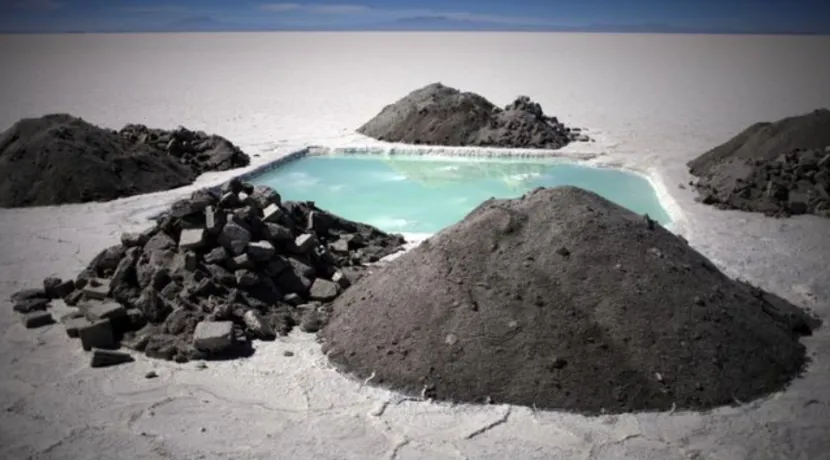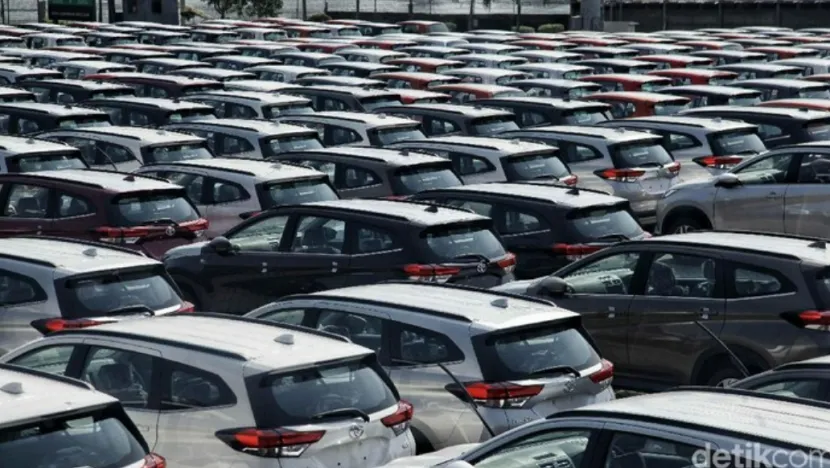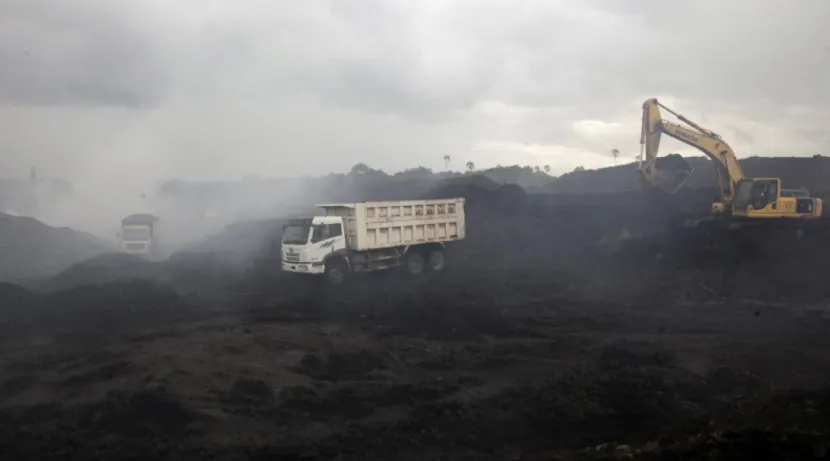

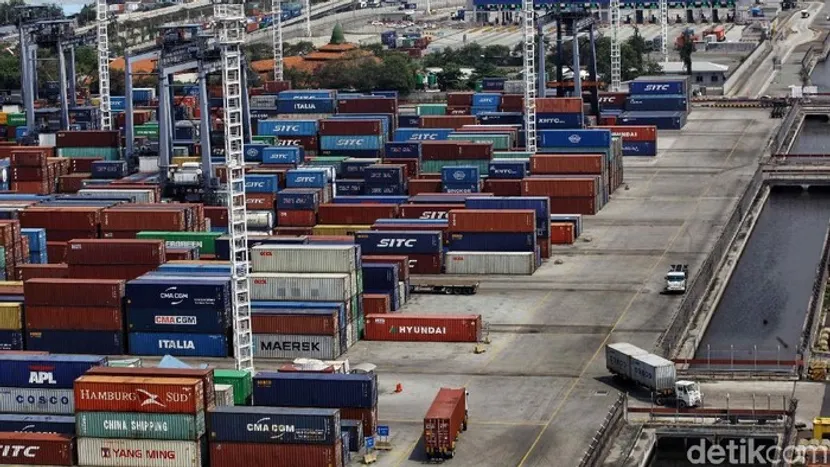
 From January to February 2026, Indonesia's manufacturing exports reached US$37.06 billion, a year-on-year increase of 6.69%, becoming the core pillar supporting the country's overall export performance. The Executive Director of the Center for Economic Reform Studies pointed out that the mineral downstream processing policy implemented by the Indonesian government over the past five years is the key driving force behind the strong performance of manufacturing exports. He explained that unprocessed nickel ore is classified as mining exports, while downstream processed products are included in manufacturing statistics; after the downstream policy was implemented, the proportion of high value-added manufactured goods increased, directly raising the share of manufacturing in overall exports. Today, manufacturing has become the core engine of Indonesia's export growth, encompassing a product structure with both high and low value-added categories. According to data from Indonesia's Central Statistics Agency, manufacturing was the largest contributor to non-oil and gas export growth in the first two months of 2026, contributing 5.36 percentage points to the increase.
Among them, several major export products saw impressive growth: Nickel products rose 56.30% year-on-year, Tin and tin products surged 89.01%, Other inorganic basic chemicals grew 89.58%, and Semiconductor and electronic components also increased by 41.93%. Looking at annual economic contributions and export growth rates, manufacturing has long been the primary contributing industry to national economic growth. In 2023, it contributed 0.95% to economic growth, 0.90% in 2024, rising to 1.07% in 2025; in terms of export growth, it increased by 1.73% in 2023, surged to 6.85% in 2024, and continued to rise to 7.03% in 2025, maintaining a steady upward trend year after year. Manufacturing is vulnerable to shocks from global market fluctuations, and supply chain disruptions, raw material shortages, rising production input costs, and logistics bottlenecks can simultaneously suppress both production and distribution links.
In response, the Indonesian government has launched a series of proactive measures. President Prabowo issued Presidential Decree No. 4 of 2026, establishing a special task force to accelerate the implementation of priority economic projects and resolve operational obstacles for businesses and investors. The government has simultaneously introduced supporting industrial policies, easing access to raw materials, adjusting import-related regulations, and ensuring the continuity of production. It continues to closely monitor the most severely affected industrial sub-sectors to ensure targeted and rapid policy implementation. At the same time, macroeconomic stability is prioritized, with tight control over inflation, exchange rate stabilization, maintaining people's purchasing power, and coordinating fiscal and monetary policies to support the real economy under prudent principles. The authorities hope that through a series of regulatory measures, a favorable business environment will be maintained and more manufacturing investment attracted. Relevant officials stated that the current global situation affects manufacturing across the entire chain from raw materials to production, and supply chain risks need to be prevented in advance, otherwise they could cascade into inflation, exchange rates, and consumer spending power. A solid manufacturing foundation is crucial for the overall economic stability of Indonesia.
From January to February 2026, Indonesia's manufacturing exports reached US$37.06 billion, a year-on-year increase of 6.69%, becoming the core pillar supporting the country's overall export performance. The Executive Director of the Center for Economic Reform Studies pointed out that the mineral downstream processing policy implemented by the Indonesian government over the past five years is the key driving force behind the strong performance of manufacturing exports. He explained that unprocessed nickel ore is classified as mining exports, while downstream processed products are included in manufacturing statistics; after the downstream policy was implemented, the proportion of high value-added manufactured goods increased, directly raising the share of manufacturing in overall exports. Today, manufacturing has become the core engine of Indonesia's export growth, encompassing a product structure with both high and low value-added categories. According to data from Indonesia's Central Statistics Agency, manufacturing was the largest contributor to non-oil and gas export growth in the first two months of 2026, contributing 5.36 percentage points to the increase.
Among them, several major export products saw impressive growth: Nickel products rose 56.30% year-on-year, Tin and tin products surged 89.01%, Other inorganic basic chemicals grew 89.58%, and Semiconductor and electronic components also increased by 41.93%. Looking at annual economic contributions and export growth rates, manufacturing has long been the primary contributing industry to national economic growth. In 2023, it contributed 0.95% to economic growth, 0.90% in 2024, rising to 1.07% in 2025; in terms of export growth, it increased by 1.73% in 2023, surged to 6.85% in 2024, and continued to rise to 7.03% in 2025, maintaining a steady upward trend year after year. Manufacturing is vulnerable to shocks from global market fluctuations, and supply chain disruptions, raw material shortages, rising production input costs, and logistics bottlenecks can simultaneously suppress both production and distribution links.
In response, the Indonesian government has launched a series of proactive measures. President Prabowo issued Presidential Decree No. 4 of 2026, establishing a special task force to accelerate the implementation of priority economic projects and resolve operational obstacles for businesses and investors. The government has simultaneously introduced supporting industrial policies, easing access to raw materials, adjusting import-related regulations, and ensuring the continuity of production. It continues to closely monitor the most severely affected industrial sub-sectors to ensure targeted and rapid policy implementation. At the same time, macroeconomic stability is prioritized, with tight control over inflation, exchange rate stabilization, maintaining people's purchasing power, and coordinating fiscal and monetary policies to support the real economy under prudent principles. The authorities hope that through a series of regulatory measures, a favorable business environment will be maintained and more manufacturing investment attracted. Relevant officials stated that the current global situation affects manufacturing across the entire chain from raw materials to production, and supply chain risks need to be prevented in advance, otherwise they could cascade into inflation, exchange rates, and consumer spending power. A solid manufacturing foundation is crucial for the overall economic stability of Indonesia.
From January to February 2026, Indonesia's manufacturing exports reached US$37.06 billion, a year-on-year increase of 6.69%, becoming the core pillar supporting the country's overall export performance. The Executive Director of the Center for Economic Reform Studies pointed out that the mineral downstream processing policy implemented by the Indonesian government over the past five years is the key driving force behind the strong performance of manufacturing exports. He explained that unprocessed nickel ore is classified as mining exports, while downstream processed products are included in manufacturing statistics; after the downstream policy was implemented, the proportion of high value-added manufactured goods increased, directly raising the share of manufacturing in overall exports. Today, manufacturing has become the core engine of Indonesia's export growth, encompassing a product structure with both high and low value-added categories. According to data from Indonesia's Central Statistics Agency, manufacturing was the largest contributor to non-oil and gas export growth in the first two months of 2026, contributing 5.36 percentage points to the increase.
Among them, several major export products saw impressive growth: Nickel products rose 56.30% year-on-year, Tin and tin products surged 89.01%, Other inorganic basic chemicals grew 89.58%, and Semiconductor and electronic components also increased by 41.93%. Looking at annual economic contributions and export growth rates, manufacturing has long been the primary contributing industry to national economic growth. In 2023, it contributed 0.95% to economic growth, 0.90% in 2024, rising to 1.07% in 2025; in terms of export growth, it increased by 1.73% in 2023, surged to 6.85% in 2024, and continued to rise to 7.03% in 2025, maintaining a steady upward trend year after year. Manufacturing is vulnerable to shocks from global market fluctuations, and supply chain disruptions, raw material shortages, rising production input costs, and logistics bottlenecks can simultaneously suppress both production and distribution links.
In response, the Indonesian government has launched a series of proactive measures. President Prabowo issued Presidential Decree No. 4 of 2026, establishing a special task force to accelerate the implementation of priority economic projects and resolve operational obstacles for businesses and investors. The government has simultaneously introduced supporting industrial policies, easing access to raw materials, adjusting import-related regulations, and ensuring the continuity of production. It continues to closely monitor the most severely affected industrial sub-sectors to ensure targeted and rapid policy implementation. At the same time, macroeconomic stability is prioritized, with tight control over inflation, exchange rate stabilization, maintaining people's purchasing power, and coordinating fiscal and monetary policies to support the real economy under prudent principles. The authorities hope that through a series of regulatory measures, a favorable business environment will be maintained and more manufacturing investment attracted. Relevant officials stated that the current global situation affects manufacturing across the entire chain from raw materials to production, and supply chain risks need to be prevented in advance, otherwise they could cascade into inflation, exchange rates, and consumer spending power. A solid manufacturing foundation is crucial for the overall economic stability of Indonesia.
From January to February 2026, Indonesia's manufacturing exports reached US$37.06 billion, a year-on-year increase of 6.69%, becoming the core pillar supporting the country's overall export performance. The Executive Director of the Center for Economic Reform Studies pointed out that the mineral downstream processing policy implemented by the Indonesian government over the past five years is the key driving force behind the strong performance of manufacturing exports. He explained that unprocessed nickel ore is classified as mining exports, while downstream processed products are included in manufacturing statistics; after the downstream policy was implemented, the proportion of high value-added manufactured goods increased, directly raising the share of manufacturing in overall exports. Today, manufacturing has become the core engine of Indonesia's export growth, encompassing a product structure with both high and low value-added categories. According to data from Indonesia's Central Statistics Agency, manufacturing was the largest contributor to non-oil and gas export growth in the first two months of 2026, contributing 5.36 percentage points to the increase.
Among them, several major export products saw impressive growth: Nickel products rose 56.30% year-on-year, Tin and tin products surged 89.01%, Other inorganic basic chemicals grew 89.58%, and Semiconductor and electronic components also increased by 41.93%. Looking at annual economic contributions and export growth rates, manufacturing has long been the primary contributing industry to national economic growth. In 2023, it contributed 0.95% to economic growth, 0.90% in 2024, rising to 1.07% in 2025; in terms of export growth, it increased by 1.73% in 2023, surged to 6.85% in 2024, and continued to rise to 7.03% in 2025, maintaining a steady upward trend year after year. Manufacturing is vulnerable to shocks from global market fluctuations, and supply chain disruptions, raw material shortages, rising production input costs, and logistics bottlenecks can simultaneously suppress both production and distribution links.
In response, the Indonesian government has launched a series of proactive measures. President Prabowo issued Presidential Decree No. 4 of 2026, establishing a special task force to accelerate the implementation of priority economic projects and resolve operational obstacles for businesses and investors. The government has simultaneously introduced supporting industrial policies, easing access to raw materials, adjusting import-related regulations, and ensuring the continuity of production. It continues to closely monitor the most severely affected industrial sub-sectors to ensure targeted and rapid policy implementation. At the same time, macroeconomic stability is prioritized, with tight control over inflation, exchange rate stabilization, maintaining people's purchasing power, and coordinating fiscal and monetary policies to support the real economy under prudent principles. The authorities hope that through a series of regulatory measures, a favorable business environment will be maintained and more manufacturing investment attracted. Relevant officials stated that the current global situation affects manufacturing across the entire chain from raw materials to production, and supply chain risks need to be prevented in advance, otherwise they could cascade into inflation, exchange rates, and consumer spending power. A solid manufacturing foundation is crucial for the overall economic stability of Indonesia.