
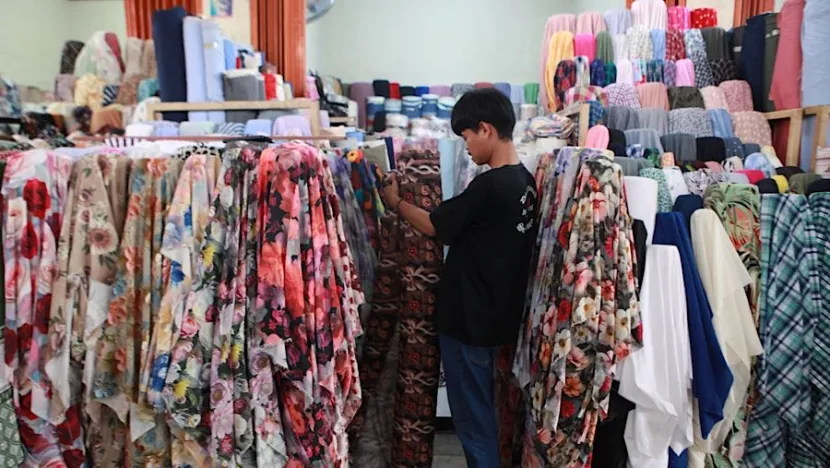
 The ongoing escalation of geopolitical conflicts in the Middle East has led to a sharp rise in international oil prices, directly impacting the upstream and downstream supply chains of Indonesia's textile industry, with strong concerns expressed about the sustainable business outlook for the industry. As petrochemical products, the core raw materials for the textile industry, rapidly rise in price, enterprises face surging production cost pressures, which will gradually be passed on to the end market, triggering comprehensive price increases for garments and retail products.
The chairman of the Indonesian Association of Synthetic Filament Producers (APSyFI) stated that paraxylene, the main raw material for polyester, has currently reached US$1,300 per ton, a sharp increase of approximately 40% from two weeks ago. This wave of surging prices is directly driven by rising international oil prices, and the Middle East conflict is the main driver behind the oil price increase.
He pointed out that the impact of rising raw material prices has not yet been fully transmitted to downstream industries and is expected to gradually spread over the next three weeks. In the coming week, the price pressure will first be passed on to fabric manufacturers; two weeks later, the garment manufacturing sector will face full pressure, forming a complete cost transmission chain. He predicts that retail prices of finished garments will also be adjusted accordingly, with an overall increase expected to be around 10%.
From a market demand perspective, current demand in Indonesia's textile market remains stable, even showing a slight upward trend. The main reason is that imported raw material prices have risen more than local products, making domestic textile products relatively more competitive.
In addition, there is currently no shortage of domestically produced raw materials such as polyester and viscose; market supply is ample. The core challenge facing the industry is not supply disruption but cost pressure caused by persistently high prices. Although local raw material supply is stable, the sustained high prices still impact the entire textile ecosystem.
From upstream petrochemical raw materials, midstream spinning and weaving, to downstream garment manufacturing and retail, the entire industry chain will face a rebalancing of costs and pricing. The industry generally believes that if the Middle East situation remains tense and international oil prices stay high, the operating pressure on Indonesia's textile industry will further increase, and the rise in consumer goods prices will have a real impact on household consumption spending.
The ongoing escalation of geopolitical conflicts in the Middle East has led to a sharp rise in international oil prices, directly impacting the upstream and downstream supply chains of Indonesia's textile industry, with strong concerns expressed about the sustainable business outlook for the industry. As petrochemical products, the core raw materials for the textile industry, rapidly rise in price, enterprises face surging production cost pressures, which will gradually be passed on to the end market, triggering comprehensive price increases for garments and retail products.
The chairman of the Indonesian Association of Synthetic Filament Producers (APSyFI) stated that paraxylene, the main raw material for polyester, has currently reached US$1,300 per ton, a sharp increase of approximately 40% from two weeks ago. This wave of surging prices is directly driven by rising international oil prices, and the Middle East conflict is the main driver behind the oil price increase.
He pointed out that the impact of rising raw material prices has not yet been fully transmitted to downstream industries and is expected to gradually spread over the next three weeks. In the coming week, the price pressure will first be passed on to fabric manufacturers; two weeks later, the garment manufacturing sector will face full pressure, forming a complete cost transmission chain. He predicts that retail prices of finished garments will also be adjusted accordingly, with an overall increase expected to be around 10%.
From a market demand perspective, current demand in Indonesia's textile market remains stable, even showing a slight upward trend. The main reason is that imported raw material prices have risen more than local products, making domestic textile products relatively more competitive.
In addition, there is currently no shortage of domestically produced raw materials such as polyester and viscose; market supply is ample. The core challenge facing the industry is not supply disruption but cost pressure caused by persistently high prices. Although local raw material supply is stable, the sustained high prices still impact the entire textile ecosystem.
From upstream petrochemical raw materials, midstream spinning and weaving, to downstream garment manufacturing and retail, the entire industry chain will face a rebalancing of costs and pricing. The industry generally believes that if the Middle East situation remains tense and international oil prices stay high, the operating pressure on Indonesia's textile industry will further increase, and the rise in consumer goods prices will have a real impact on household consumption spending.
The ongoing escalation of geopolitical conflicts in the Middle East has led to a sharp rise in international oil prices, directly impacting the upstream and downstream supply chains of Indonesia's textile industry, with strong concerns expressed about the sustainable business outlook for the industry. As petrochemical products, the core raw materials for the textile industry, rapidly rise in price, enterprises face surging production cost pressures, which will gradually be passed on to the end market, triggering comprehensive price increases for garments and retail products.
The chairman of the Indonesian Association of Synthetic Filament Producers (APSyFI) stated that paraxylene, the main raw material for polyester, has currently reached US$1,300 per ton, a sharp increase of approximately 40% from two weeks ago. This wave of surging prices is directly driven by rising international oil prices, and the Middle East conflict is the main driver behind the oil price increase.
He pointed out that the impact of rising raw material prices has not yet been fully transmitted to downstream industries and is expected to gradually spread over the next three weeks. In the coming week, the price pressure will first be passed on to fabric manufacturers; two weeks later, the garment manufacturing sector will face full pressure, forming a complete cost transmission chain. He predicts that retail prices of finished garments will also be adjusted accordingly, with an overall increase expected to be around 10%.
From a market demand perspective, current demand in Indonesia's textile market remains stable, even showing a slight upward trend. The main reason is that imported raw material prices have risen more than local products, making domestic textile products relatively more competitive.
In addition, there is currently no shortage of domestically produced raw materials such as polyester and viscose; market supply is ample. The core challenge facing the industry is not supply disruption but cost pressure caused by persistently high prices. Although local raw material supply is stable, the sustained high prices still impact the entire textile ecosystem.
From upstream petrochemical raw materials, midstream spinning and weaving, to downstream garment manufacturing and retail, the entire industry chain will face a rebalancing of costs and pricing. The industry generally believes that if the Middle East situation remains tense and international oil prices stay high, the operating pressure on Indonesia's textile industry will further increase, and the rise in consumer goods prices will have a real impact on household consumption spending.
The ongoing escalation of geopolitical conflicts in the Middle East has led to a sharp rise in international oil prices, directly impacting the upstream and downstream supply chains of Indonesia's textile industry, with strong concerns expressed about the sustainable business outlook for the industry. As petrochemical products, the core raw materials for the textile industry, rapidly rise in price, enterprises face surging production cost pressures, which will gradually be passed on to the end market, triggering comprehensive price increases for garments and retail products.
The chairman of the Indonesian Association of Synthetic Filament Producers (APSyFI) stated that paraxylene, the main raw material for polyester, has currently reached US$1,300 per ton, a sharp increase of approximately 40% from two weeks ago. This wave of surging prices is directly driven by rising international oil prices, and the Middle East conflict is the main driver behind the oil price increase.
He pointed out that the impact of rising raw material prices has not yet been fully transmitted to downstream industries and is expected to gradually spread over the next three weeks. In the coming week, the price pressure will first be passed on to fabric manufacturers; two weeks later, the garment manufacturing sector will face full pressure, forming a complete cost transmission chain. He predicts that retail prices of finished garments will also be adjusted accordingly, with an overall increase expected to be around 10%.
From a market demand perspective, current demand in Indonesia's textile market remains stable, even showing a slight upward trend. The main reason is that imported raw material prices have risen more than local products, making domestic textile products relatively more competitive.
In addition, there is currently no shortage of domestically produced raw materials such as polyester and viscose; market supply is ample. The core challenge facing the industry is not supply disruption but cost pressure caused by persistently high prices. Although local raw material supply is stable, the sustained high prices still impact the entire textile ecosystem.
From upstream petrochemical raw materials, midstream spinning and weaving, to downstream garment manufacturing and retail, the entire industry chain will face a rebalancing of costs and pricing. The industry generally believes that if the Middle East situation remains tense and international oil prices stay high, the operating pressure on Indonesia's textile industry will further increase, and the rise in consumer goods prices will have a real impact on household consumption spending.