
 Due to the ongoing escalation of geopolitical conflicts in the Middle East, many multinational corporations are seeking more stable regions as alternative destinations for production relocation and business expansion. Multiple industrial estates in Indonesia are actively seizing this investment opportunity to attract more international capital.
Industry insiders generally believe that this trend provides a strategic opportunity for Indonesia to enhance its investment appeal in manufacturing and downstream processing industries. Local industrial estates are also accelerating improvements in capacity and service levels to proactively accommodate potential industrial transfers.
Business circles and industry figures point out that Indonesia possesses multiple prominent advantages for attracting investment: relatively stable domestic political environment, abundant labor resources, strong government promotion of integrated industrial estate development, coupled with its advantageous geographical location along global trade routes, collectively forming strong investment competitiveness.
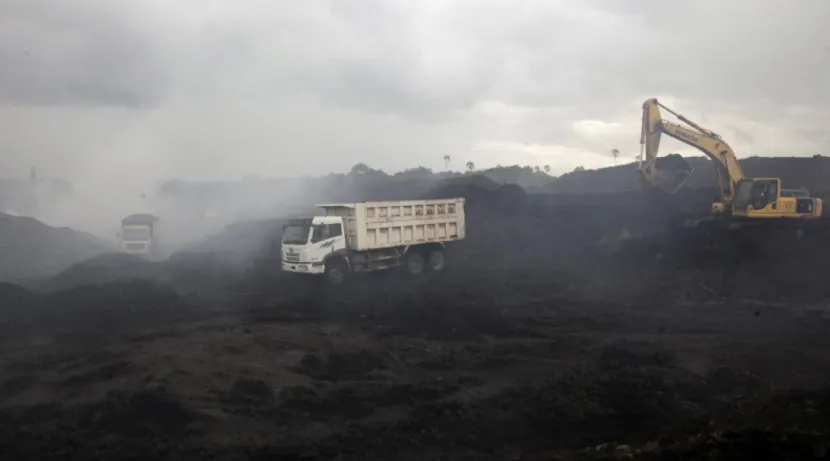
In particular, metal downstream industrial estates developed on the back of mineral resources such as nickel hold enormous potential. For example, the Morowali Industrial Park is already the country's largest nickel processing hub, successfully attracting investment from the global new energy battery industry chain.
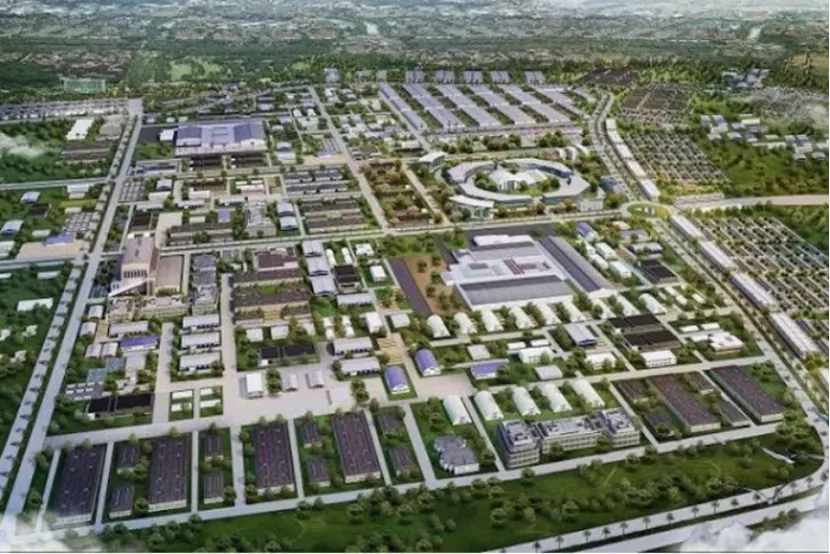
At the same time, Indonesia continues to advance the development of integrated industrial estates, continuously improving aspects such as infrastructure support, simplified approval processes, and logistics connectivity to better meet the needs of multinational investors.
However, industry players also caution that the government must continuously optimize the investment environment, maintain policy stability, enhance administrative efficiency, and strengthen human resource reserves—these are key factors in attracting and retaining long-term investors.
The current global economic volatility and geopolitical uncertainties persist, which may disrupt overall investment flows. Therefore, Indonesia needs to formulate more adaptive and flexible strategies to avoid becoming merely a short-term safe haven, and instead aim to become a long-term production base for multinational corporations.
By seizing this opportunity for industrial relocation, Indonesia's industrial estates have the potential to become new global investment hotspots, enhancing industrial added value and creating a large number of employment opportunities, while further strengthening the national economic structure and driving the manufacturing sector toward higher value-added transformation.
Due to the ongoing escalation of geopolitical conflicts in the Middle East, many multinational corporations are seeking more stable regions as alternative destinations for production relocation and business expansion. Multiple industrial estates in Indonesia are actively seizing this investment opportunity to attract more international capital.
Industry insiders generally believe that this trend provides a strategic opportunity for Indonesia to enhance its investment appeal in manufacturing and downstream processing industries. Local industrial estates are also accelerating improvements in capacity and service levels to proactively accommodate potential industrial transfers.
Business circles and industry figures point out that Indonesia possesses multiple prominent advantages for attracting investment: relatively stable domestic political environment, abundant labor resources, strong government promotion of integrated industrial estate development, coupled with its advantageous geographical location along global trade routes, collectively forming strong investment competitiveness.
In particular, metal downstream industrial estates developed on the back of mineral resources such as nickel hold enormous potential. For example, the Morowali Industrial Park is already the country's largest nickel processing hub, successfully attracting investment from the global new energy battery industry chain.
At the same time, Indonesia continues to advance the development of integrated industrial estates, continuously improving aspects such as infrastructure support, simplified approval processes, and logistics connectivity to better meet the needs of multinational investors.
However, industry players also caution that the government must continuously optimize the investment environment, maintain policy stability, enhance administrative efficiency, and strengthen human resource reserves—these are key factors in attracting and retaining long-term investors.
The current global economic volatility and geopolitical uncertainties persist, which may disrupt overall investment flows. Therefore, Indonesia needs to formulate more adaptive and flexible strategies to avoid becoming merely a short-term safe haven, and instead aim to become a long-term production base for multinational corporations.
By seizing this opportunity for industrial relocation, Indonesia's industrial estates have the potential to become new global investment hotspots, enhancing industrial added value and creating a large number of employment opportunities, while further strengthening the national economic structure and driving the manufacturing sector toward higher value-added transformation.
Due to the ongoing escalation of geopolitical conflicts in the Middle East, many multinational corporations are seeking more stable regions as alternative destinations for production relocation and business expansion. Multiple industrial estates in Indonesia are actively seizing this investment opportunity to attract more international capital.
Industry insiders generally believe that this trend provides a strategic opportunity for Indonesia to enhance its investment appeal in manufacturing and downstream processing industries. Local industrial estates are also accelerating improvements in capacity and service levels to proactively accommodate potential industrial transfers.
Business circles and industry figures point out that Indonesia possesses multiple prominent advantages for attracting investment: relatively stable domestic political environment, abundant labor resources, strong government promotion of integrated industrial estate development, coupled with its advantageous geographical location along global trade routes, collectively forming strong investment competitiveness.
In particular, metal downstream industrial estates developed on the back of mineral resources such as nickel hold enormous potential. For example, the Morowali Industrial Park is already the country's largest nickel processing hub, successfully attracting investment from the global new energy battery industry chain.
At the same time, Indonesia continues to advance the development of integrated industrial estates, continuously improving aspects such as infrastructure support, simplified approval processes, and logistics connectivity to better meet the needs of multinational investors.
However, industry players also caution that the government must continuously optimize the investment environment, maintain policy stability, enhance administrative efficiency, and strengthen human resource reserves—these are key factors in attracting and retaining long-term investors.
The current global economic volatility and geopolitical uncertainties persist, which may disrupt overall investment flows. Therefore, Indonesia needs to formulate more adaptive and flexible strategies to avoid becoming merely a short-term safe haven, and instead aim to become a long-term production base for multinational corporations.
By seizing this opportunity for industrial relocation, Indonesia's industrial estates have the potential to become new global investment hotspots, enhancing industrial added value and creating a large number of employment opportunities, while further strengthening the national economic structure and driving the manufacturing sector toward higher value-added transformation.
Due to the ongoing escalation of geopolitical conflicts in the Middle East, many multinational corporations are seeking more stable regions as alternative destinations for production relocation and business expansion. Multiple industrial estates in Indonesia are actively seizing this investment opportunity to attract more international capital.
Industry insiders generally believe that this trend provides a strategic opportunity for Indonesia to enhance its investment appeal in manufacturing and downstream processing industries. Local industrial estates are also accelerating improvements in capacity and service levels to proactively accommodate potential industrial transfers.
Business circles and industry figures point out that Indonesia possesses multiple prominent advantages for attracting investment: relatively stable domestic political environment, abundant labor resources, strong government promotion of integrated industrial estate development, coupled with its advantageous geographical location along global trade routes, collectively forming strong investment competitiveness.
In particular, metal downstream industrial estates developed on the back of mineral resources such as nickel hold enormous potential. For example, the Morowali Industrial Park is already the country's largest nickel processing hub, successfully attracting investment from the global new energy battery industry chain.
At the same time, Indonesia continues to advance the development of integrated industrial estates, continuously improving aspects such as infrastructure support, simplified approval processes, and logistics connectivity to better meet the needs of multinational investors.
However, industry players also caution that the government must continuously optimize the investment environment, maintain policy stability, enhance administrative efficiency, and strengthen human resource reserves—these are key factors in attracting and retaining long-term investors.
The current global economic volatility and geopolitical uncertainties persist, which may disrupt overall investment flows. Therefore, Indonesia needs to formulate more adaptive and flexible strategies to avoid becoming merely a short-term safe haven, and instead aim to become a long-term production base for multinational corporations.
By seizing this opportunity for industrial relocation, Indonesia's industrial estates have the potential to become new global investment hotspots, enhancing industrial added value and creating a large number of employment opportunities, while further strengthening the national economic structure and driving the manufacturing sector toward higher value-added transformation.