
 The Indonesian government has officially formulated plans for the production and sales direction of domestic motorcycles, determining an industry strategy where electric motorcycles will prioritize meeting domestic market demand, while traditional fuel motorcycles will shift to export markets.
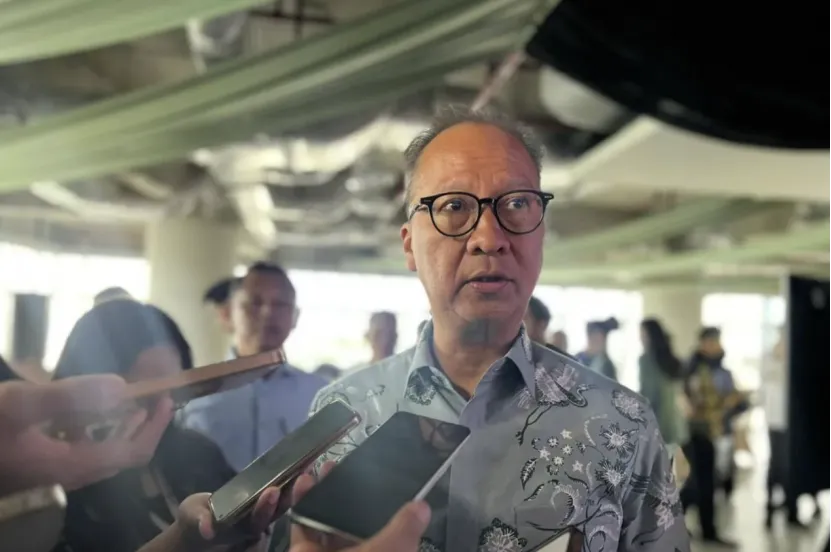
The Minister of Industry stated in Jakarta that the government is intensifying the formulation of relevant regulations to accelerate the popularization of electric transportation in the country, with a particular focus on the electric motorcycle sector. The new regulations will guide electric motorcycle manufacturers operating in Indonesia to expand production capacity as soon as possible to ensure adequate supply. The government's goal is to prioritize domestic market supply for all electric motorcycles produced in local factories, gradually achieving full electrification of domestic consumption.
He also emphasized that the production of traditional fuel motorcycles will not be abruptly halted, but rather production capacity will be redirected to focus on exploring overseas markets, especially non-traditional export destinations such as Africa, the Middle East, and South America. This policy ensures the continued operation of Indonesia's motorcycle industry while promoting the industry's adaptation to technological change and transition to electrification.
The Minister pointed out that companies do not need to stop fuel motorcycle production lines; they can redirect them for export, but they must simultaneously build electric motorcycle production capacity. The government is formulating a relevant roadmap, aiming for full electrification of motorcycles on Indonesian roads in the future, using China's successful experience in electric motorcycle transition as a reference.
He also revealed that the President has clearly instructed that the country's motor vehicles will fully transition to electrification in the future to reduce the nation's dependence on fossil fuels. Under the global energy transition trend, achieving transportation electrification in Indonesia has become an inevitable choice.
Regarding incentive policies for electric motorcycles, the Ministry of Industry has communicated with the Ministry of Finance; the specific subsidies and incentives are still under discussion and have not been finalized.
Through this industrial layout, Indonesia hopes to secure local employment and industrial output while accelerating energy structure transformation, reducing dependence on fuel imports, promoting low-carbon development in the transportation sector, and enhancing the competitiveness of the domestic electric vehicle industry chain.
The Indonesian government has officially formulated plans for the production and sales direction of domestic motorcycles, determining an industry strategy where electric motorcycles will prioritize meeting domestic market demand, while traditional fuel motorcycles will shift to export markets.
The Minister of Industry stated in Jakarta that the government is intensifying the formulation of relevant regulations to accelerate the popularization of electric transportation in the country, with a particular focus on the electric motorcycle sector. The new regulations will guide electric motorcycle manufacturers operating in Indonesia to expand production capacity as soon as possible to ensure adequate supply. The government's goal is to prioritize domestic market supply for all electric motorcycles produced in local factories, gradually achieving full electrification of domestic consumption.
He also emphasized that the production of traditional fuel motorcycles will not be abruptly halted, but rather production capacity will be redirected to focus on exploring overseas markets, especially non-traditional export destinations such as Africa, the Middle East, and South America. This policy ensures the continued operation of Indonesia's motorcycle industry while promoting the industry's adaptation to technological change and transition to electrification.
The Minister pointed out that companies do not need to stop fuel motorcycle production lines; they can redirect them for export, but they must simultaneously build electric motorcycle production capacity. The government is formulating a relevant roadmap, aiming for full electrification of motorcycles on Indonesian roads in the future, using China's successful experience in electric motorcycle transition as a reference.
He also revealed that the President has clearly instructed that the country's motor vehicles will fully transition to electrification in the future to reduce the nation's dependence on fossil fuels. Under the global energy transition trend, achieving transportation electrification in Indonesia has become an inevitable choice.
Regarding incentive policies for electric motorcycles, the Ministry of Industry has communicated with the Ministry of Finance; the specific subsidies and incentives are still under discussion and have not been finalized.
Through this industrial layout, Indonesia hopes to secure local employment and industrial output while accelerating energy structure transformation, reducing dependence on fuel imports, promoting low-carbon development in the transportation sector, and enhancing the competitiveness of the domestic electric vehicle industry chain.
政策信息
Indonesia Accelerates Electrification: Domestic Motorcycles to Go Fully Electric, Fuel Motorcycles for Export
The Indonesian government has officially formulated plans for the production and sales direction of domestic motorcycles, determining an industry strategy where electric motorcycles will prioritize meeting domestic market demand, while traditional fuel motorcycles will shift to export markets.
The Minister of Industry stated in Jakarta that the government is intensifying the formulation of relevant regulations to accelerate the popularization of electric transportation in the country, with a particular focus on the electric motorcycle sector. The new regulations will guide electric motorcycle manufacturers operating in Indonesia to expand production capacity as soon as possible to ensure adequate supply. The government's goal is to prioritize domestic market supply for all electric motorcycles produced in local factories, gradually achieving full electrification of domestic consumption.
He also emphasized that the production of traditional fuel motorcycles will not be abruptly halted, but rather production capacity will be redirected to focus on exploring overseas markets, especially non-traditional export destinations such as Africa, the Middle East, and South America. This policy ensures the continued operation of Indonesia's motorcycle industry while promoting the industry's adaptation to technological change and transition to electrification.
The Minister pointed out that companies do not need to stop fuel motorcycle production lines; they can redirect them for export, but they must simultaneously build electric motorcycle production capacity. The government is formulating a relevant roadmap, aiming for full electrification of motorcycles on Indonesian roads in the future, using China's successful experience in electric motorcycle transition as a reference.
He also revealed that the President has clearly instructed that the country's motor vehicles will fully transition to electrification in the future to reduce the nation's dependence on fossil fuels. Under the global energy transition trend, achieving transportation electrification in Indonesia has become an inevitable choice.
Regarding incentive policies for electric motorcycles, the Ministry of Industry has communicated with the Ministry of Finance; the specific subsidies and incentives are still under discussion and have not been finalized.
Through this industrial layout, Indonesia hopes to secure local employment and industrial output while accelerating energy structure transformation, reducing dependence on fuel imports, promoting low-carbon development in the transportation sector, and enhancing the competitiveness of the domestic electric vehicle industry chain.