
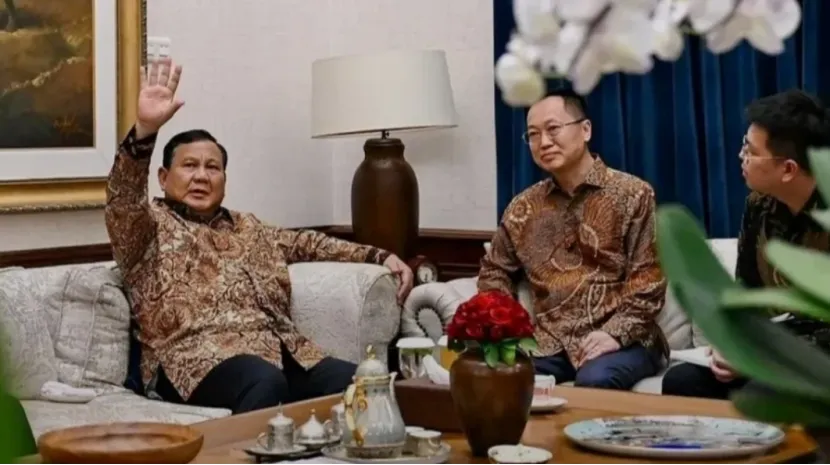
 The President of Indonesia's State Investment Management Agency, Danantara Group, and the Chairman of Hisense Group have officially signed a Memorandum of Understanding to deepen investment layout and global industrial cooperation in the technology sector. A senior executive of Danantara Group stated on social media that President Prabowo highly 认可 this cooperation, and the government will continue to actively introduce high-quality foreign investment, promote technology transfer, create local jobs, and fully improve the domestic full-chain industrial system. The State Secretary also commented that this signing marks an important beginning for deep cooperation in the technology sector between the two parties. The signing ceremony was well-attended, with the Investment Minister and Danantara Group's Chief Technology Officer participating, along with several core cabinet ministers including those for Energy, Foreign Affairs, Defense, and Higher Education and Technology, fully reflecting the high level of importance the Indonesian government places on this cooperation. As a leading home appliance manufacturer in China, Hisense has strong capabilities in home appliances, smart audio-visual, and intelligent technology, and is accelerating its global market expansion. By partnering with Indonesia's state investment platform, it will further expand its Southeast Asian market presence.
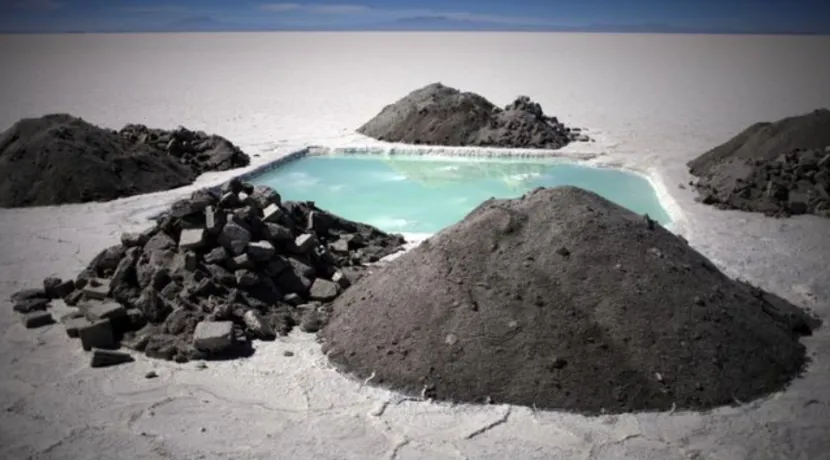
While cooperation in the technology sector is progressing steadily, in the resource industry, the Indonesia China Chamber of Commerce has submitted a letter of appeal to the Indonesian President, highlighting the multiple operational difficulties faced by many Chinese investors in Indonesia. Chinese investors primarily oppose Indonesia's new natural resource export foreign exchange retention rules, which require resource export companies to deposit 50% of export revenue in Indonesian state banks for a period of one year. Companies believe this will significantly strain their working capital and increase uncertainty in industry operations.
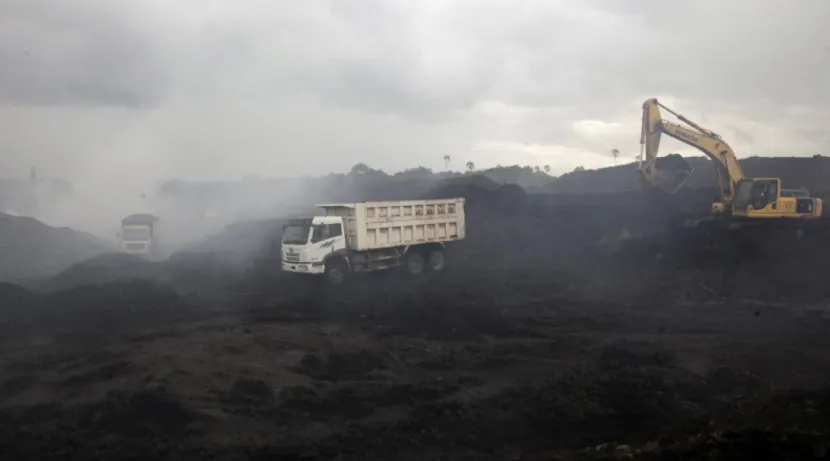
In addition, Chinese companies have also raised multiple operational pressures: Indonesia has continuously increased mineral royalty rates, various taxes and fees, and export tariffs, while tax audits have intensified, leading to frequent heavy fines, causing widespread industry anxiety; the 2026 nickel ore production quota has been drastically reduced by more than 70%, severely restraining the development of downstream new energy vehicles, stainless steel, and other deep-processing industries; strict enforcement of forestry regulations has led to the forced suspension of several Chinese-funded hydropower projects due to forestland issues, along with hefty fines.
Meanwhile, policy changes such as tighter work visa scrutiny, new export taxes, tightened support policies for new energy vehicles, and reduced tax incentives in special economic zones have continuously raised operational costs for foreign businesses. Moreover, Indonesia's adjustment to the nickel ore benchmark price calculation formula, including by-product minerals such as cobalt and iron into the pricing, has directly doubled the overall nickel ore procurement cost, significantly increasing production costs across the entire supply chain and squeezing corporate profit margins. Chinese investment institutions have stated that the series of intensive regulatory policies not only impact existing investment projects under construction but also affect future foreign investment, product exports, and over 400,000 jobs along the entire supply chain, severely undermining global capital's investment confidence in Indonesia's nickel industry and casting a shadow over economic and trade cooperation in the resource sector between the two sides.
The President of Indonesia's State Investment Management Agency, Danantara Group, and the Chairman of Hisense Group have officially signed a Memorandum of Understanding to deepen investment layout and global industrial cooperation in the technology sector. A senior executive of Danantara Group stated on social media that President Prabowo highly 认可 this cooperation, and the government will continue to actively introduce high-quality foreign investment, promote technology transfer, create local jobs, and fully improve the domestic full-chain industrial system. The State Secretary also commented that this signing marks an important beginning for deep cooperation in the technology sector between the two parties. The signing ceremony was well-attended, with the Investment Minister and Danantara Group's Chief Technology Officer participating, along with several core cabinet ministers including those for Energy, Foreign Affairs, Defense, and Higher Education and Technology, fully reflecting the high level of importance the Indonesian government places on this cooperation. As a leading home appliance manufacturer in China, Hisense has strong capabilities in home appliances, smart audio-visual, and intelligent technology, and is accelerating its global market expansion. By partnering with Indonesia's state investment platform, it will further expand its Southeast Asian market presence.
While cooperation in the technology sector is progressing steadily, in the resource industry, the Indonesia China Chamber of Commerce has submitted a letter of appeal to the Indonesian President, highlighting the multiple operational difficulties faced by many Chinese investors in Indonesia. Chinese investors primarily oppose Indonesia's new natural resource export foreign exchange retention rules, which require resource export companies to deposit 50% of export revenue in Indonesian state banks for a period of one year. Companies believe this will significantly strain their working capital and increase uncertainty in industry operations.
In addition, Chinese companies have also raised multiple operational pressures: Indonesia has continuously increased mineral royalty rates, various taxes and fees, and export tariffs, while tax audits have intensified, leading to frequent heavy fines, causing widespread industry anxiety; the 2026 nickel ore production quota has been drastically reduced by more than 70%, severely restraining the development of downstream new energy vehicles, stainless steel, and other deep-processing industries; strict enforcement of forestry regulations has led to the forced suspension of several Chinese-funded hydropower projects due to forestland issues, along with hefty fines.
Meanwhile, policy changes such as tighter work visa scrutiny, new export taxes, tightened support policies for new energy vehicles, and reduced tax incentives in special economic zones have continuously raised operational costs for foreign businesses. Moreover, Indonesia's adjustment to the nickel ore benchmark price calculation formula, including by-product minerals such as cobalt and iron into the pricing, has directly doubled the overall nickel ore procurement cost, significantly increasing production costs across the entire supply chain and squeezing corporate profit margins. Chinese investment institutions have stated that the series of intensive regulatory policies not only impact existing investment projects under construction but also affect future foreign investment, product exports, and over 400,000 jobs along the entire supply chain, severely undermining global capital's investment confidence in Indonesia's nickel industry and casting a shadow over economic and trade cooperation in the resource sector between the two sides.
The President of Indonesia's State Investment Management Agency, Danantara Group, and the Chairman of Hisense Group have officially signed a Memorandum of Understanding to deepen investment layout and global industrial cooperation in the technology sector. A senior executive of Danantara Group stated on social media that President Prabowo highly 认可 this cooperation, and the government will continue to actively introduce high-quality foreign investment, promote technology transfer, create local jobs, and fully improve the domestic full-chain industrial system. The State Secretary also commented that this signing marks an important beginning for deep cooperation in the technology sector between the two parties. The signing ceremony was well-attended, with the Investment Minister and Danantara Group's Chief Technology Officer participating, along with several core cabinet ministers including those for Energy, Foreign Affairs, Defense, and Higher Education and Technology, fully reflecting the high level of importance the Indonesian government places on this cooperation. As a leading home appliance manufacturer in China, Hisense has strong capabilities in home appliances, smart audio-visual, and intelligent technology, and is accelerating its global market expansion. By partnering with Indonesia's state investment platform, it will further expand its Southeast Asian market presence.
While cooperation in the technology sector is progressing steadily, in the resource industry, the Indonesia China Chamber of Commerce has submitted a letter of appeal to the Indonesian President, highlighting the multiple operational difficulties faced by many Chinese investors in Indonesia. Chinese investors primarily oppose Indonesia's new natural resource export foreign exchange retention rules, which require resource export companies to deposit 50% of export revenue in Indonesian state banks for a period of one year. Companies believe this will significantly strain their working capital and increase uncertainty in industry operations.
In addition, Chinese companies have also raised multiple operational pressures: Indonesia has continuously increased mineral royalty rates, various taxes and fees, and export tariffs, while tax audits have intensified, leading to frequent heavy fines, causing widespread industry anxiety; the 2026 nickel ore production quota has been drastically reduced by more than 70%, severely restraining the development of downstream new energy vehicles, stainless steel, and other deep-processing industries; strict enforcement of forestry regulations has led to the forced suspension of several Chinese-funded hydropower projects due to forestland issues, along with hefty fines.
Meanwhile, policy changes such as tighter work visa scrutiny, new export taxes, tightened support policies for new energy vehicles, and reduced tax incentives in special economic zones have continuously raised operational costs for foreign businesses. Moreover, Indonesia's adjustment to the nickel ore benchmark price calculation formula, including by-product minerals such as cobalt and iron into the pricing, has directly doubled the overall nickel ore procurement cost, significantly increasing production costs across the entire supply chain and squeezing corporate profit margins. Chinese investment institutions have stated that the series of intensive regulatory policies not only impact existing investment projects under construction but also affect future foreign investment, product exports, and over 400,000 jobs along the entire supply chain, severely undermining global capital's investment confidence in Indonesia's nickel industry and casting a shadow over economic and trade cooperation in the resource sector between the two sides.
The President of Indonesia's State Investment Management Agency, Danantara Group, and the Chairman of Hisense Group have officially signed a Memorandum of Understanding to deepen investment layout and global industrial cooperation in the technology sector. A senior executive of Danantara Group stated on social media that President Prabowo highly 认可 this cooperation, and the government will continue to actively introduce high-quality foreign investment, promote technology transfer, create local jobs, and fully improve the domestic full-chain industrial system. The State Secretary also commented that this signing marks an important beginning for deep cooperation in the technology sector between the two parties. The signing ceremony was well-attended, with the Investment Minister and Danantara Group's Chief Technology Officer participating, along with several core cabinet ministers including those for Energy, Foreign Affairs, Defense, and Higher Education and Technology, fully reflecting the high level of importance the Indonesian government places on this cooperation. As a leading home appliance manufacturer in China, Hisense has strong capabilities in home appliances, smart audio-visual, and intelligent technology, and is accelerating its global market expansion. By partnering with Indonesia's state investment platform, it will further expand its Southeast Asian market presence.
While cooperation in the technology sector is progressing steadily, in the resource industry, the Indonesia China Chamber of Commerce has submitted a letter of appeal to the Indonesian President, highlighting the multiple operational difficulties faced by many Chinese investors in Indonesia. Chinese investors primarily oppose Indonesia's new natural resource export foreign exchange retention rules, which require resource export companies to deposit 50% of export revenue in Indonesian state banks for a period of one year. Companies believe this will significantly strain their working capital and increase uncertainty in industry operations.
In addition, Chinese companies have also raised multiple operational pressures: Indonesia has continuously increased mineral royalty rates, various taxes and fees, and export tariffs, while tax audits have intensified, leading to frequent heavy fines, causing widespread industry anxiety; the 2026 nickel ore production quota has been drastically reduced by more than 70%, severely restraining the development of downstream new energy vehicles, stainless steel, and other deep-processing industries; strict enforcement of forestry regulations has led to the forced suspension of several Chinese-funded hydropower projects due to forestland issues, along with hefty fines.
Meanwhile, policy changes such as tighter work visa scrutiny, new export taxes, tightened support policies for new energy vehicles, and reduced tax incentives in special economic zones have continuously raised operational costs for foreign businesses. Moreover, Indonesia's adjustment to the nickel ore benchmark price calculation formula, including by-product minerals such as cobalt and iron into the pricing, has directly doubled the overall nickel ore procurement cost, significantly increasing production costs across the entire supply chain and squeezing corporate profit margins. Chinese investment institutions have stated that the series of intensive regulatory policies not only impact existing investment projects under construction but also affect future foreign investment, product exports, and over 400,000 jobs along the entire supply chain, severely undermining global capital's investment confidence in Indonesia's nickel industry and casting a shadow over economic and trade cooperation in the resource sector between the two sides.