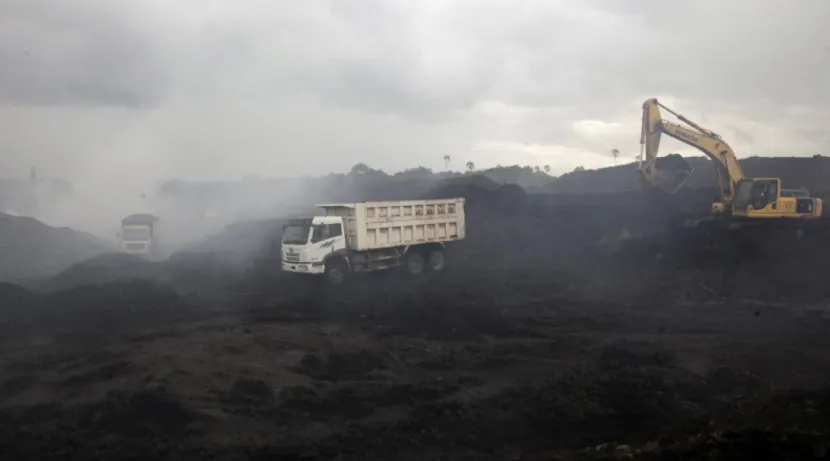

 10 palm oil giants were named in an AI audit, are Indonesian resource export regulations really coming? Friends, I am Wang Guanzhang. An AI audit has pushed the top 10 CPO exporters in Indonesia's palm oil industry into the spotlight.
Just before the transition period of Indonesia's new strategic resource export mechanism on June 1, Finance Minister Purbaya confirmed that the government is investigating 10 large crude palm oil exporters for suspected under-invoicing and transfer pricing. In public reports, large companies such as Wilmar International and Musim Mas have been involved in the investigation.
The timing is delicate. On one hand, the government-designated platform DSI is preparing to gradually step into the export of strategic commodities such as palm oil, coal, and ferroalloys. On the other hand, the Ministry of Finance is using AI tools to verify export prices, related party transactions, and price differences between offshore companies. So this matter should not be simply understood as checking a few companies for tax supplements; it is more like the Indonesian government sending a strong signal to the entire commodity industry before the new regulations take effect.
In the past, companies relied on offshore company related party transactions and price under-reporting to keep profits overseas and keep the tax base in Indonesia. This approach will now face systematic audits. The core of this investigation is under-invoicing and transfer pricing. Simply put, when companies sell crude palm oil to related trading companies in Singapore and elsewhere, the declared price may be significantly lower than the actual international market price. The offshore company then sells to the final buyer at a price closer to the market. As a result, Indonesia's book export revenue becomes lower, and the company pays less export tax, income tax and related fees in Indonesia, while higher profits may be retained overseas.
The Indonesian government believes this practice has long eroded the country's fiscal revenue and foreign exchange retention capacity. President Prabowo previously mentioned that Indonesia may have lost up to US$908 billion in revenue over the past decades due to export under-reporting and other issues. The preliminary sample disclosed by the Ministry of Finance shows that potential fiscal revenue from limited transaction samples alone amounts to approximately US$88 million, equivalent to about 1.56 trillion Indonesian rupiah.
This figure may not be the final fine amount, but it shows that the government is no longer just paying lip service but is using data audits + AI price comparison to fully expose the gray areas of the industry. However, we must objectively see that the Indonesian government does not intend to completely shut down these companies. Minister Purbaya's statement was clear: the government currently does not intend to shut down the relevant companies because these large palm oil groups are tied to export tax revenue, employment, farmer purchases, and overall supply chain stability. The real goal is to require companies to pay the overdue taxes and penalties and to bring future export behavior under intensive and normalized supervision. In other words, this is not simply a crackdown but a rule renegotiation between the Indonesian government and commodity capital.
The most critical variable next is DSI. According to current arrangements, the transition period officially starts on June 1, and export transactions of strategic commodities such as palm oil, coal, and ferroalloys will gradually be included in the government-designated trading mechanism. The government's core reasoning is straightforward: eliminate low-price customs declarations, curb transfer pricing, prevent export revenue outflows, and retain more tax revenue and foreign exchange in Indonesia.
But the problem is also here: for the government, this is about plugging regulatory loopholes; for companies, this is a significant contraction of business flexibility. In the past, large Chinese companies could negotiate with customers independently, sign long-term agreements, and freely arrange offshore trade and financing structures. In the future, if core export businesses are forced into the DSI system, companies' pricing autonomy, contract arrangements, payment routes, and profit structures will all be subject to comprehensive restrictions. Especially companies that have long relied on Singapore trading platforms for settlement, financing, and global sales must fully reassess their trading structures.
Therefore, my judgment is that the naming of these 10 palm oil giants in the AI audit is not an isolated incident but the opening signal of a new phase in the Prabowo government's resource governance. The essence of Indonesia's reform this time is to address three core issues: price under-reporting, tax leakage, and foreign exchange retention. Palm oil is just the first shot; coal, ferroalloys, and even more strategic resources will likely be included in similar regulatory frameworks. However, whether this reform can succeed depends not on slogans but on implementation capacity.
• First, whether DSI can build a professional, efficient, and stable trade operation system.• Second, whether the government can find the optimal balance between increasing revenue and stabilizing business confidence.• Third, whether the interests of smallholder farmers can be protected to avoid downward shifting of cost pressures from large enterprises.
In a word: the era of private palm oil giants in Indonesia is not over, but the past comfort zone of using offshore structures to shift profits, earn domestically, and retain high profits overseas is being forcefully compressed. After June 1, Indonesia's commodity exports officially enter deep water. For all Chinese companies and investors, compliance is no longer an optional cost item but a hard survival threshold for establishing a foothold in the Indonesian market.
10 palm oil giants were named in an AI audit, are Indonesian resource export regulations really coming? Friends, I am Wang Guanzhang. An AI audit has pushed the top 10 CPO exporters in Indonesia's palm oil industry into the spotlight.
Just before the transition period of Indonesia's new strategic resource export mechanism on June 1, Finance Minister Purbaya confirmed that the government is investigating 10 large crude palm oil exporters for suspected under-invoicing and transfer pricing. In public reports, large companies such as Wilmar International and Musim Mas have been involved in the investigation.
The timing is delicate. On one hand, the government-designated platform DSI is preparing to gradually step into the export of strategic commodities such as palm oil, coal, and ferroalloys. On the other hand, the Ministry of Finance is using AI tools to verify export prices, related party transactions, and price differences between offshore companies. So this matter should not be simply understood as checking a few companies for tax supplements; it is more like the Indonesian government sending a strong signal to the entire commodity industry before the new regulations take effect.
In the past, companies relied on offshore company related party transactions and price under-reporting to keep profits overseas and keep the tax base in Indonesia. This approach will now face systematic audits. The core of this investigation is under-invoicing and transfer pricing. Simply put, when companies sell crude palm oil to related trading companies in Singapore and elsewhere, the declared price may be significantly lower than the actual international market price. The offshore company then sells to the final buyer at a price closer to the market. As a result, Indonesia's book export revenue becomes lower, and the company pays less export tax, income tax and related fees in Indonesia, while higher profits may be retained overseas.
The Indonesian government believes this practice has long eroded the country's fiscal revenue and foreign exchange retention capacity. President Prabowo previously mentioned that Indonesia may have lost up to US$908 billion in revenue over the past decades due to export under-reporting and other issues. The preliminary sample disclosed by the Ministry of Finance shows that potential fiscal revenue from limited transaction samples alone amounts to approximately US$88 million, equivalent to about 1.56 trillion Indonesian rupiah.
This figure may not be the final fine amount, but it shows that the government is no longer just paying lip service but is using data audits + AI price comparison to fully expose the gray areas of the industry. However, we must objectively see that the Indonesian government does not intend to completely shut down these companies. Minister Purbaya's statement was clear: the government currently does not intend to shut down the relevant companies because these large palm oil groups are tied to export tax revenue, employment, farmer purchases, and overall supply chain stability. The real goal is to require companies to pay the overdue taxes and penalties and to bring future export behavior under intensive and normalized supervision. In other words, this is not simply a crackdown but a rule renegotiation between the Indonesian government and commodity capital.
The most critical variable next is DSI. According to current arrangements, the transition period officially starts on June 1, and export transactions of strategic commodities such as palm oil, coal, and ferroalloys will gradually be included in the government-designated trading mechanism. The government's core reasoning is straightforward: eliminate low-price customs declarations, curb transfer pricing, prevent export revenue outflows, and retain more tax revenue and foreign exchange in Indonesia.
But the problem is also here: for the government, this is about plugging regulatory loopholes; for companies, this is a significant contraction of business flexibility. In the past, large Chinese companies could negotiate with customers independently, sign long-term agreements, and freely arrange offshore trade and financing structures. In the future, if core export businesses are forced into the DSI system, companies' pricing autonomy, contract arrangements, payment routes, and profit structures will all be subject to comprehensive restrictions. Especially companies that have long relied on Singapore trading platforms for settlement, financing, and global sales must fully reassess their trading structures.
Therefore, my judgment is that the naming of these 10 palm oil giants in the AI audit is not an isolated incident but the opening signal of a new phase in the Prabowo government's resource governance. The essence of Indonesia's reform this time is to address three core issues: price under-reporting, tax leakage, and foreign exchange retention. Palm oil is just the first shot; coal, ferroalloys, and even more strategic resources will likely be included in similar regulatory frameworks. However, whether this reform can succeed depends not on slogans but on implementation capacity.
• First, whether DSI can build a professional, efficient, and stable trade operation system.• Second, whether the government can find the optimal balance between increasing revenue and stabilizing business confidence.• Third, whether the interests of smallholder farmers can be protected to avoid downward shifting of cost pressures from large enterprises.
In a word: the era of private palm oil giants in Indonesia is not over, but the past comfort zone of using offshore structures to shift profits, earn domestically, and retain high profits overseas is being forcefully compressed. After June 1, Indonesia's commodity exports officially enter deep water. For all Chinese companies and investors, compliance is no longer an optional cost item but a hard survival threshold for establishing a foothold in the Indonesian market.
10 palm oil giants were named in an AI audit, are Indonesian resource export regulations really coming? Friends, I am Wang Guanzhang. An AI audit has pushed the top 10 CPO exporters in Indonesia's palm oil industry into the spotlight.
Just before the transition period of Indonesia's new strategic resource export mechanism on June 1, Finance Minister Purbaya confirmed that the government is investigating 10 large crude palm oil exporters for suspected under-invoicing and transfer pricing. In public reports, large companies such as Wilmar International and Musim Mas have been involved in the investigation.
The timing is delicate. On one hand, the government-designated platform DSI is preparing to gradually step into the export of strategic commodities such as palm oil, coal, and ferroalloys. On the other hand, the Ministry of Finance is using AI tools to verify export prices, related party transactions, and price differences between offshore companies. So this matter should not be simply understood as checking a few companies for tax supplements; it is more like the Indonesian government sending a strong signal to the entire commodity industry before the new regulations take effect.
In the past, companies relied on offshore company related party transactions and price under-reporting to keep profits overseas and keep the tax base in Indonesia. This approach will now face systematic audits. The core of this investigation is under-invoicing and transfer pricing. Simply put, when companies sell crude palm oil to related trading companies in Singapore and elsewhere, the declared price may be significantly lower than the actual international market price. The offshore company then sells to the final buyer at a price closer to the market. As a result, Indonesia's book export revenue becomes lower, and the company pays less export tax, income tax and related fees in Indonesia, while higher profits may be retained overseas.
The Indonesian government believes this practice has long eroded the country's fiscal revenue and foreign exchange retention capacity. President Prabowo previously mentioned that Indonesia may have lost up to US$908 billion in revenue over the past decades due to export under-reporting and other issues. The preliminary sample disclosed by the Ministry of Finance shows that potential fiscal revenue from limited transaction samples alone amounts to approximately US$88 million, equivalent to about 1.56 trillion Indonesian rupiah.
This figure may not be the final fine amount, but it shows that the government is no longer just paying lip service but is using data audits + AI price comparison to fully expose the gray areas of the industry. However, we must objectively see that the Indonesian government does not intend to completely shut down these companies. Minister Purbaya's statement was clear: the government currently does not intend to shut down the relevant companies because these large palm oil groups are tied to export tax revenue, employment, farmer purchases, and overall supply chain stability. The real goal is to require companies to pay the overdue taxes and penalties and to bring future export behavior under intensive and normalized supervision. In other words, this is not simply a crackdown but a rule renegotiation between the Indonesian government and commodity capital.
The most critical variable next is DSI. According to current arrangements, the transition period officially starts on June 1, and export transactions of strategic commodities such as palm oil, coal, and ferroalloys will gradually be included in the government-designated trading mechanism. The government's core reasoning is straightforward: eliminate low-price customs declarations, curb transfer pricing, prevent export revenue outflows, and retain more tax revenue and foreign exchange in Indonesia.
But the problem is also here: for the government, this is about plugging regulatory loopholes; for companies, this is a significant contraction of business flexibility. In the past, large Chinese companies could negotiate with customers independently, sign long-term agreements, and freely arrange offshore trade and financing structures. In the future, if core export businesses are forced into the DSI system, companies' pricing autonomy, contract arrangements, payment routes, and profit structures will all be subject to comprehensive restrictions. Especially companies that have long relied on Singapore trading platforms for settlement, financing, and global sales must fully reassess their trading structures.
Therefore, my judgment is that the naming of these 10 palm oil giants in the AI audit is not an isolated incident but the opening signal of a new phase in the Prabowo government's resource governance. The essence of Indonesia's reform this time is to address three core issues: price under-reporting, tax leakage, and foreign exchange retention. Palm oil is just the first shot; coal, ferroalloys, and even more strategic resources will likely be included in similar regulatory frameworks. However, whether this reform can succeed depends not on slogans but on implementation capacity.
• First, whether DSI can build a professional, efficient, and stable trade operation system.• Second, whether the government can find the optimal balance between increasing revenue and stabilizing business confidence.• Third, whether the interests of smallholder farmers can be protected to avoid downward shifting of cost pressures from large enterprises.
In a word: the era of private palm oil giants in Indonesia is not over, but the past comfort zone of using offshore structures to shift profits, earn domestically, and retain high profits overseas is being forcefully compressed. After June 1, Indonesia's commodity exports officially enter deep water. For all Chinese companies and investors, compliance is no longer an optional cost item but a hard survival threshold for establishing a foothold in the Indonesian market.
10 palm oil giants were named in an AI audit, are Indonesian resource export regulations really coming? Friends, I am Wang Guanzhang. An AI audit has pushed the top 10 CPO exporters in Indonesia's palm oil industry into the spotlight.
Just before the transition period of Indonesia's new strategic resource export mechanism on June 1, Finance Minister Purbaya confirmed that the government is investigating 10 large crude palm oil exporters for suspected under-invoicing and transfer pricing. In public reports, large companies such as Wilmar International and Musim Mas have been involved in the investigation.
The timing is delicate. On one hand, the government-designated platform DSI is preparing to gradually step into the export of strategic commodities such as palm oil, coal, and ferroalloys. On the other hand, the Ministry of Finance is using AI tools to verify export prices, related party transactions, and price differences between offshore companies. So this matter should not be simply understood as checking a few companies for tax supplements; it is more like the Indonesian government sending a strong signal to the entire commodity industry before the new regulations take effect.
In the past, companies relied on offshore company related party transactions and price under-reporting to keep profits overseas and keep the tax base in Indonesia. This approach will now face systematic audits. The core of this investigation is under-invoicing and transfer pricing. Simply put, when companies sell crude palm oil to related trading companies in Singapore and elsewhere, the declared price may be significantly lower than the actual international market price. The offshore company then sells to the final buyer at a price closer to the market. As a result, Indonesia's book export revenue becomes lower, and the company pays less export tax, income tax and related fees in Indonesia, while higher profits may be retained overseas.
The Indonesian government believes this practice has long eroded the country's fiscal revenue and foreign exchange retention capacity. President Prabowo previously mentioned that Indonesia may have lost up to US$908 billion in revenue over the past decades due to export under-reporting and other issues. The preliminary sample disclosed by the Ministry of Finance shows that potential fiscal revenue from limited transaction samples alone amounts to approximately US$88 million, equivalent to about 1.56 trillion Indonesian rupiah.
This figure may not be the final fine amount, but it shows that the government is no longer just paying lip service but is using data audits + AI price comparison to fully expose the gray areas of the industry. However, we must objectively see that the Indonesian government does not intend to completely shut down these companies. Minister Purbaya's statement was clear: the government currently does not intend to shut down the relevant companies because these large palm oil groups are tied to export tax revenue, employment, farmer purchases, and overall supply chain stability. The real goal is to require companies to pay the overdue taxes and penalties and to bring future export behavior under intensive and normalized supervision. In other words, this is not simply a crackdown but a rule renegotiation between the Indonesian government and commodity capital.
The most critical variable next is DSI. According to current arrangements, the transition period officially starts on June 1, and export transactions of strategic commodities such as palm oil, coal, and ferroalloys will gradually be included in the government-designated trading mechanism. The government's core reasoning is straightforward: eliminate low-price customs declarations, curb transfer pricing, prevent export revenue outflows, and retain more tax revenue and foreign exchange in Indonesia.
But the problem is also here: for the government, this is about plugging regulatory loopholes; for companies, this is a significant contraction of business flexibility. In the past, large Chinese companies could negotiate with customers independently, sign long-term agreements, and freely arrange offshore trade and financing structures. In the future, if core export businesses are forced into the DSI system, companies' pricing autonomy, contract arrangements, payment routes, and profit structures will all be subject to comprehensive restrictions. Especially companies that have long relied on Singapore trading platforms for settlement, financing, and global sales must fully reassess their trading structures.
Therefore, my judgment is that the naming of these 10 palm oil giants in the AI audit is not an isolated incident but the opening signal of a new phase in the Prabowo government's resource governance. The essence of Indonesia's reform this time is to address three core issues: price under-reporting, tax leakage, and foreign exchange retention. Palm oil is just the first shot; coal, ferroalloys, and even more strategic resources will likely be included in similar regulatory frameworks. However, whether this reform can succeed depends not on slogans but on implementation capacity.
• First, whether DSI can build a professional, efficient, and stable trade operation system.• Second, whether the government can find the optimal balance between increasing revenue and stabilizing business confidence.• Third, whether the interests of smallholder farmers can be protected to avoid downward shifting of cost pressures from large enterprises.
In a word: the era of private palm oil giants in Indonesia is not over, but the past comfort zone of using offshore structures to shift profits, earn domestically, and retain high profits overseas is being forcefully compressed. After June 1, Indonesia's commodity exports officially enter deep water. For all Chinese companies and investors, compliance is no longer an optional cost item but a hard survival threshold for establishing a foothold in the Indonesian market.