
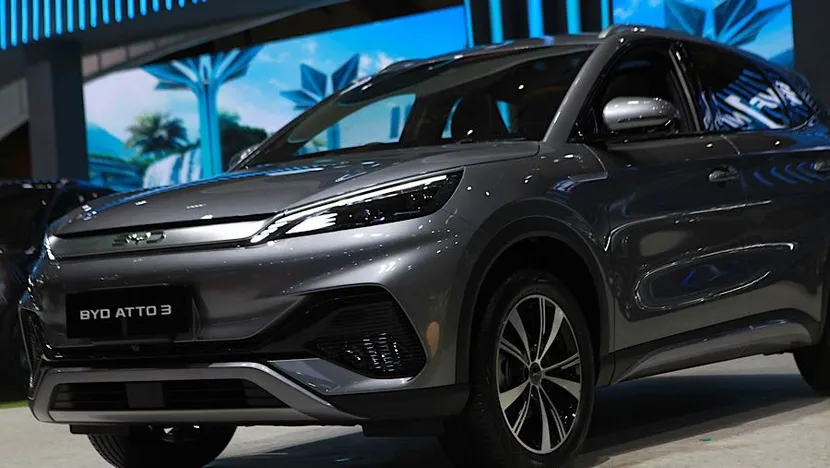
 According to the Q1 2026 automotive sales data released by the Indonesian Automotive Industry Association (Gaikindo), Indonesia's pure electric vehicle (BEV) market achieved significant growth, with sales and market share both reaching new highs. Hybrid electric vehicles (HEV) also maintained steady growth, and the overall new energy vehicle sector performed robustly. However, affected by the long Eid al-Fitr holiday, wholesale and retail car sales in March saw a notable year-on-year decline. Data shows that in Q1 2026, Indonesia's pure electric vehicle sales reached 33,150 units, a sharp year-on-year increase of 95.9% compared to 16,926 units in the same period of 2025, nearly doubling.
In terms of market share, the proportion of pure electric vehicles in total car sales surged from 8.2% in Q1 2025 to 15.9% in the same period of 2026, reflecting a rapid increase in Indonesian consumers' acceptance of pure electric vehicles. During the same period, Indonesia's total car sales increased slightly from 205,500 units to 209,000 units, with new energy vehicles becoming the main driver of market structure upgrades. The hybrid electric vehicle (HEV) market also achieved significant growth. In Q1 2026, hybrid vehicle sales reached 16,940 units, an increase of 21.3% from 13,964 units in the same period last year; its market share also rose from 6.8% to 8.1%.
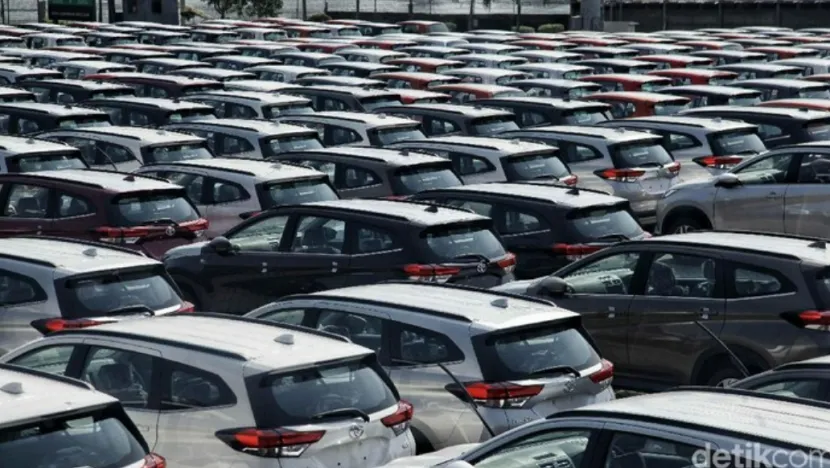
The combined share of pure electric and hybrid models has approached one-quarter, indicating a deepening trend of Indonesia's automotive electrification transformation. However, in March 2026, Indonesia's overall automotive market saw a significant decline. Wholesale sales were only 61,271 units, down 13.8% year-on-year; retail sales were 66,627 units, down 13.2% year-on-year. In contrast, car sales maintained growth in January and February, with a clear reversal in March.
The chairman of the Indonesian Automotive Industry Association explained that the main reason for the March sales decline was the long Eid al-Fitr holiday, which led to reduced dealer operating hours and decreased consumer car-buying activities, significantly impacting overall market transactions. Despite the short-term weakness in monthly sales, the strong performance of new energy vehicles in Q1 still reflects the long-term trend of Indonesia's automotive market accelerating its electrification transition.
According to the Q1 2026 automotive sales data released by the Indonesian Automotive Industry Association (Gaikindo), Indonesia's pure electric vehicle (BEV) market achieved significant growth, with sales and market share both reaching new highs. Hybrid electric vehicles (HEV) also maintained steady growth, and the overall new energy vehicle sector performed robustly. However, affected by the long Eid al-Fitr holiday, wholesale and retail car sales in March saw a notable year-on-year decline. Data shows that in Q1 2026, Indonesia's pure electric vehicle sales reached 33,150 units, a sharp year-on-year increase of 95.9% compared to 16,926 units in the same period of 2025, nearly doubling.
In terms of market share, the proportion of pure electric vehicles in total car sales surged from 8.2% in Q1 2025 to 15.9% in the same period of 2026, reflecting a rapid increase in Indonesian consumers' acceptance of pure electric vehicles. During the same period, Indonesia's total car sales increased slightly from 205,500 units to 209,000 units, with new energy vehicles becoming the main driver of market structure upgrades. The hybrid electric vehicle (HEV) market also achieved significant growth. In Q1 2026, hybrid vehicle sales reached 16,940 units, an increase of 21.3% from 13,964 units in the same period last year; its market share also rose from 6.8% to 8.1%.
The combined share of pure electric and hybrid models has approached one-quarter, indicating a deepening trend of Indonesia's automotive electrification transformation. However, in March 2026, Indonesia's overall automotive market saw a significant decline. Wholesale sales were only 61,271 units, down 13.8% year-on-year; retail sales were 66,627 units, down 13.2% year-on-year. In contrast, car sales maintained growth in January and February, with a clear reversal in March.
The chairman of the Indonesian Automotive Industry Association explained that the main reason for the March sales decline was the long Eid al-Fitr holiday, which led to reduced dealer operating hours and decreased consumer car-buying activities, significantly impacting overall market transactions. Despite the short-term weakness in monthly sales, the strong performance of new energy vehicles in Q1 still reflects the long-term trend of Indonesia's automotive market accelerating its electrification transition.
According to the Q1 2026 automotive sales data released by the Indonesian Automotive Industry Association (Gaikindo), Indonesia's pure electric vehicle (BEV) market achieved significant growth, with sales and market share both reaching new highs. Hybrid electric vehicles (HEV) also maintained steady growth, and the overall new energy vehicle sector performed robustly. However, affected by the long Eid al-Fitr holiday, wholesale and retail car sales in March saw a notable year-on-year decline. Data shows that in Q1 2026, Indonesia's pure electric vehicle sales reached 33,150 units, a sharp year-on-year increase of 95.9% compared to 16,926 units in the same period of 2025, nearly doubling.
In terms of market share, the proportion of pure electric vehicles in total car sales surged from 8.2% in Q1 2025 to 15.9% in the same period of 2026, reflecting a rapid increase in Indonesian consumers' acceptance of pure electric vehicles. During the same period, Indonesia's total car sales increased slightly from 205,500 units to 209,000 units, with new energy vehicles becoming the main driver of market structure upgrades. The hybrid electric vehicle (HEV) market also achieved significant growth. In Q1 2026, hybrid vehicle sales reached 16,940 units, an increase of 21.3% from 13,964 units in the same period last year; its market share also rose from 6.8% to 8.1%.
The combined share of pure electric and hybrid models has approached one-quarter, indicating a deepening trend of Indonesia's automotive electrification transformation. However, in March 2026, Indonesia's overall automotive market saw a significant decline. Wholesale sales were only 61,271 units, down 13.8% year-on-year; retail sales were 66,627 units, down 13.2% year-on-year. In contrast, car sales maintained growth in January and February, with a clear reversal in March.
The chairman of the Indonesian Automotive Industry Association explained that the main reason for the March sales decline was the long Eid al-Fitr holiday, which led to reduced dealer operating hours and decreased consumer car-buying activities, significantly impacting overall market transactions. Despite the short-term weakness in monthly sales, the strong performance of new energy vehicles in Q1 still reflects the long-term trend of Indonesia's automotive market accelerating its electrification transition.
According to the Q1 2026 automotive sales data released by the Indonesian Automotive Industry Association (Gaikindo), Indonesia's pure electric vehicle (BEV) market achieved significant growth, with sales and market share both reaching new highs. Hybrid electric vehicles (HEV) also maintained steady growth, and the overall new energy vehicle sector performed robustly. However, affected by the long Eid al-Fitr holiday, wholesale and retail car sales in March saw a notable year-on-year decline. Data shows that in Q1 2026, Indonesia's pure electric vehicle sales reached 33,150 units, a sharp year-on-year increase of 95.9% compared to 16,926 units in the same period of 2025, nearly doubling.
In terms of market share, the proportion of pure electric vehicles in total car sales surged from 8.2% in Q1 2025 to 15.9% in the same period of 2026, reflecting a rapid increase in Indonesian consumers' acceptance of pure electric vehicles. During the same period, Indonesia's total car sales increased slightly from 205,500 units to 209,000 units, with new energy vehicles becoming the main driver of market structure upgrades. The hybrid electric vehicle (HEV) market also achieved significant growth. In Q1 2026, hybrid vehicle sales reached 16,940 units, an increase of 21.3% from 13,964 units in the same period last year; its market share also rose from 6.8% to 8.1%.
The combined share of pure electric and hybrid models has approached one-quarter, indicating a deepening trend of Indonesia's automotive electrification transformation. However, in March 2026, Indonesia's overall automotive market saw a significant decline. Wholesale sales were only 61,271 units, down 13.8% year-on-year; retail sales were 66,627 units, down 13.2% year-on-year. In contrast, car sales maintained growth in January and February, with a clear reversal in March.
The chairman of the Indonesian Automotive Industry Association explained that the main reason for the March sales decline was the long Eid al-Fitr holiday, which led to reduced dealer operating hours and decreased consumer car-buying activities, significantly impacting overall market transactions. Despite the short-term weakness in monthly sales, the strong performance of new energy vehicles in Q1 still reflects the long-term trend of Indonesia's automotive market accelerating its electrification transition.