
 The Indonesian Nickel Industry Forum (FINI) expressed regret and opposition to the decision by the Ministry of Energy and Mineral Resources to revise the calculation formula for the nickel ore benchmark price (HPM), arguing that at a time when the nickel smelting industry faces multiple cost pressures, the new regulation causes a sharp increase in nickel ore prices, further burdening companies and even hindering the national nickel downstream strategy.
The Chairman of FINI stated that the Indonesian nickel smelting industry is currently under tremendous operational pressure: the Middle East conflict has driven up sulfur prices, energy costs are rising, logistics expenses are increasing, and corporate profits have been severely squeezed. Against this backdrop, the increase in the nickel ore benchmark price, coupled with market rumors of an export tariff plan on nickel processed products, will put the downstream industry under dual pressure, severely dragging down the progress of Indonesia's nickel downstream development.
He warned that policies that weaken industry competitiveness in the short term will lead to a decline in total national fiscal revenue in the long run. The largest cost components of the nickel downstream industry include nickel ore, energy, sulfur and sulfuric acid (HPAL hydrometallurgical process), logistics, chemical raw materials, labor, and spare parts maintenance. Any increase in cost for any component will significantly affect overall profits. He criticized that the new HPM includes associated minerals such as cobalt, iron, and chromium in the pricing, which does not match actual site conditions because the calculation is based on theoretical grades and recovery rates rather than the real economic margins of companies, thereby eroding the operating cash flow of smelters and also hindering the stable operation of new or expanded smelting projects.
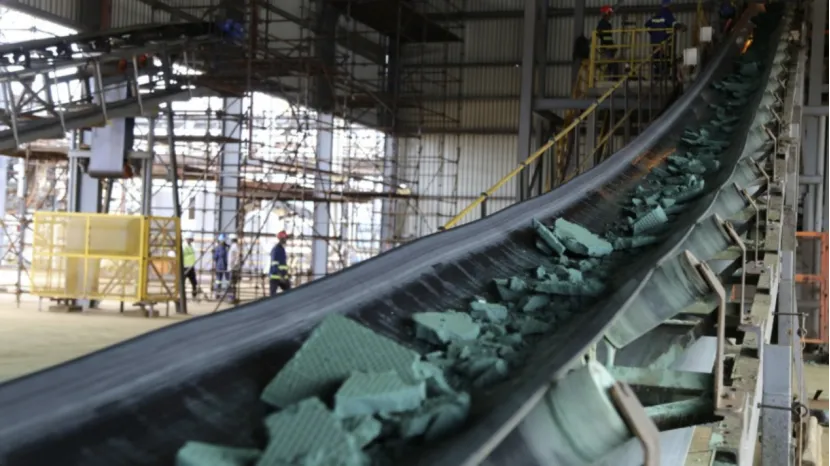
According to calculations, the HPM increase will raise production costs for RKEF pyrometallurgical smelters using laterite nickel ore by approximately 600 USD/ton of nickel; for HPAL hydrometallurgical plants, after deducting cobalt price discounts, the production cost of mixed hydroxide precipitate (MHP) will surge by 2,400–2,600 USD/ton of nickel. He emphasized that the price of MHP is mainly determined by nickel content, with associated cobalt being only a small discounted byproduct, providing limited relief to costs.
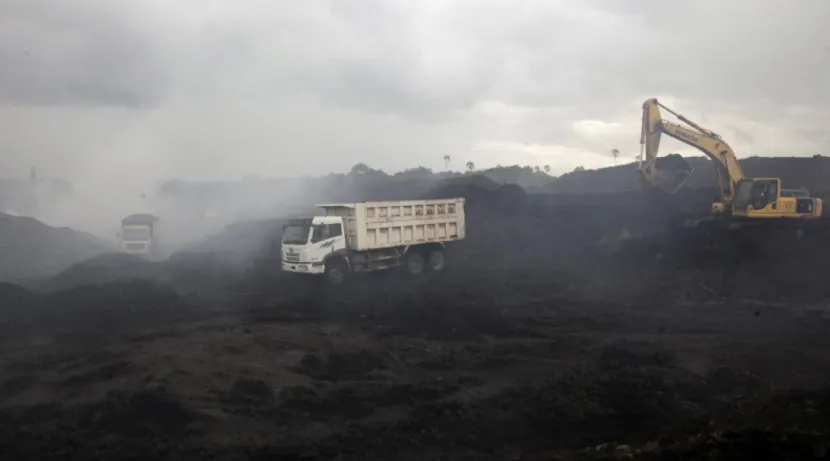
In response, the Director General of Minerals and Coal at the Ministry of Energy and Mineral Resources stated that currently, domestic nickel ore prices in Indonesia are still below fundamental levels and significantly lower than nickel ore prices imported from the Philippines and New Caledonia. The revision of the HPM is merely to bring domestic ore prices back to reasonable value and enhance competitiveness, and the adjusted prices are still lower than imported ore. He revealed that the old HPM did not include the premium portion that actually exists in the market, and after this adjustment, domestic ore prices have increased by more than 100%.
The adjustment of benchmark prices for nickel ore and other metals is based on a decree from the Ministry of Energy and Mineral Resources and will take effect on April 15, 2026. The resulting divergence of interests between miners and smelters has become a significant point of contention in Indonesia's nickel downstream development process.
The Indonesian Nickel Industry Forum (FINI) expressed regret and opposition to the decision by the Ministry of Energy and Mineral Resources to revise the calculation formula for the nickel ore benchmark price (HPM), arguing that at a time when the nickel smelting industry faces multiple cost pressures, the new regulation causes a sharp increase in nickel ore prices, further burdening companies and even hindering the national nickel downstream strategy.
The Chairman of FINI stated that the Indonesian nickel smelting industry is currently under tremendous operational pressure: the Middle East conflict has driven up sulfur prices, energy costs are rising, logistics expenses are increasing, and corporate profits have been severely squeezed. Against this backdrop, the increase in the nickel ore benchmark price, coupled with market rumors of an export tariff plan on nickel processed products, will put the downstream industry under dual pressure, severely dragging down the progress of Indonesia's nickel downstream development.
He warned that policies that weaken industry competitiveness in the short term will lead to a decline in total national fiscal revenue in the long run. The largest cost components of the nickel downstream industry include nickel ore, energy, sulfur and sulfuric acid (HPAL hydrometallurgical process), logistics, chemical raw materials, labor, and spare parts maintenance. Any increase in cost for any component will significantly affect overall profits. He criticized that the new HPM includes associated minerals such as cobalt, iron, and chromium in the pricing, which does not match actual site conditions because the calculation is based on theoretical grades and recovery rates rather than the real economic margins of companies, thereby eroding the operating cash flow of smelters and also hindering the stable operation of new or expanded smelting projects.
According to calculations, the HPM increase will raise production costs for RKEF pyrometallurgical smelters using laterite nickel ore by approximately 600 USD/ton of nickel; for HPAL hydrometallurgical plants, after deducting cobalt price discounts, the production cost of mixed hydroxide precipitate (MHP) will surge by 2,400–2,600 USD/ton of nickel. He emphasized that the price of MHP is mainly determined by nickel content, with associated cobalt being only a small discounted byproduct, providing limited relief to costs.
In response, the Director General of Minerals and Coal at the Ministry of Energy and Mineral Resources stated that currently, domestic nickel ore prices in Indonesia are still below fundamental levels and significantly lower than nickel ore prices imported from the Philippines and New Caledonia. The revision of the HPM is merely to bring domestic ore prices back to reasonable value and enhance competitiveness, and the adjusted prices are still lower than imported ore. He revealed that the old HPM did not include the premium portion that actually exists in the market, and after this adjustment, domestic ore prices have increased by more than 100%.
The adjustment of benchmark prices for nickel ore and other metals is based on a decree from the Ministry of Energy and Mineral Resources and will take effect on April 15, 2026. The resulting divergence of interests between miners and smelters has become a significant point of contention in Indonesia's nickel downstream development process.
The Indonesian Nickel Industry Forum (FINI) expressed regret and opposition to the decision by the Ministry of Energy and Mineral Resources to revise the calculation formula for the nickel ore benchmark price (HPM), arguing that at a time when the nickel smelting industry faces multiple cost pressures, the new regulation causes a sharp increase in nickel ore prices, further burdening companies and even hindering the national nickel downstream strategy.
The Chairman of FINI stated that the Indonesian nickel smelting industry is currently under tremendous operational pressure: the Middle East conflict has driven up sulfur prices, energy costs are rising, logistics expenses are increasing, and corporate profits have been severely squeezed. Against this backdrop, the increase in the nickel ore benchmark price, coupled with market rumors of an export tariff plan on nickel processed products, will put the downstream industry under dual pressure, severely dragging down the progress of Indonesia's nickel downstream development.
He warned that policies that weaken industry competitiveness in the short term will lead to a decline in total national fiscal revenue in the long run. The largest cost components of the nickel downstream industry include nickel ore, energy, sulfur and sulfuric acid (HPAL hydrometallurgical process), logistics, chemical raw materials, labor, and spare parts maintenance. Any increase in cost for any component will significantly affect overall profits. He criticized that the new HPM includes associated minerals such as cobalt, iron, and chromium in the pricing, which does not match actual site conditions because the calculation is based on theoretical grades and recovery rates rather than the real economic margins of companies, thereby eroding the operating cash flow of smelters and also hindering the stable operation of new or expanded smelting projects.
According to calculations, the HPM increase will raise production costs for RKEF pyrometallurgical smelters using laterite nickel ore by approximately 600 USD/ton of nickel; for HPAL hydrometallurgical plants, after deducting cobalt price discounts, the production cost of mixed hydroxide precipitate (MHP) will surge by 2,400–2,600 USD/ton of nickel. He emphasized that the price of MHP is mainly determined by nickel content, with associated cobalt being only a small discounted byproduct, providing limited relief to costs.
In response, the Director General of Minerals and Coal at the Ministry of Energy and Mineral Resources stated that currently, domestic nickel ore prices in Indonesia are still below fundamental levels and significantly lower than nickel ore prices imported from the Philippines and New Caledonia. The revision of the HPM is merely to bring domestic ore prices back to reasonable value and enhance competitiveness, and the adjusted prices are still lower than imported ore. He revealed that the old HPM did not include the premium portion that actually exists in the market, and after this adjustment, domestic ore prices have increased by more than 100%.
The adjustment of benchmark prices for nickel ore and other metals is based on a decree from the Ministry of Energy and Mineral Resources and will take effect on April 15, 2026. The resulting divergence of interests between miners and smelters has become a significant point of contention in Indonesia's nickel downstream development process.
The Indonesian Nickel Industry Forum (FINI) expressed regret and opposition to the decision by the Ministry of Energy and Mineral Resources to revise the calculation formula for the nickel ore benchmark price (HPM), arguing that at a time when the nickel smelting industry faces multiple cost pressures, the new regulation causes a sharp increase in nickel ore prices, further burdening companies and even hindering the national nickel downstream strategy.
The Chairman of FINI stated that the Indonesian nickel smelting industry is currently under tremendous operational pressure: the Middle East conflict has driven up sulfur prices, energy costs are rising, logistics expenses are increasing, and corporate profits have been severely squeezed. Against this backdrop, the increase in the nickel ore benchmark price, coupled with market rumors of an export tariff plan on nickel processed products, will put the downstream industry under dual pressure, severely dragging down the progress of Indonesia's nickel downstream development.
He warned that policies that weaken industry competitiveness in the short term will lead to a decline in total national fiscal revenue in the long run. The largest cost components of the nickel downstream industry include nickel ore, energy, sulfur and sulfuric acid (HPAL hydrometallurgical process), logistics, chemical raw materials, labor, and spare parts maintenance. Any increase in cost for any component will significantly affect overall profits. He criticized that the new HPM includes associated minerals such as cobalt, iron, and chromium in the pricing, which does not match actual site conditions because the calculation is based on theoretical grades and recovery rates rather than the real economic margins of companies, thereby eroding the operating cash flow of smelters and also hindering the stable operation of new or expanded smelting projects.
According to calculations, the HPM increase will raise production costs for RKEF pyrometallurgical smelters using laterite nickel ore by approximately 600 USD/ton of nickel; for HPAL hydrometallurgical plants, after deducting cobalt price discounts, the production cost of mixed hydroxide precipitate (MHP) will surge by 2,400–2,600 USD/ton of nickel. He emphasized that the price of MHP is mainly determined by nickel content, with associated cobalt being only a small discounted byproduct, providing limited relief to costs.
In response, the Director General of Minerals and Coal at the Ministry of Energy and Mineral Resources stated that currently, domestic nickel ore prices in Indonesia are still below fundamental levels and significantly lower than nickel ore prices imported from the Philippines and New Caledonia. The revision of the HPM is merely to bring domestic ore prices back to reasonable value and enhance competitiveness, and the adjusted prices are still lower than imported ore. He revealed that the old HPM did not include the premium portion that actually exists in the market, and after this adjustment, domestic ore prices have increased by more than 100%.
The adjustment of benchmark prices for nickel ore and other metals is based on a decree from the Ministry of Energy and Mineral Resources and will take effect on April 15, 2026. The resulting divergence of interests between miners and smelters has become a significant point of contention in Indonesia's nickel downstream development process.