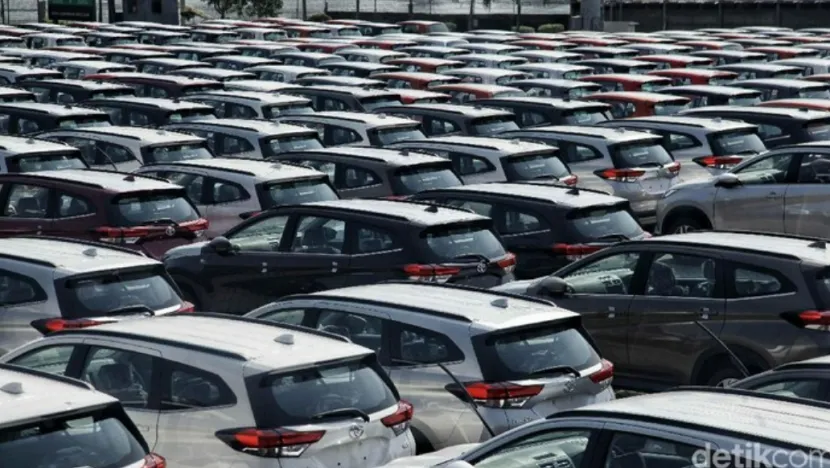

 Data from the Central Bureau of Statistics of Indonesia shows that the scale of Indonesia's imports from China increased significantly in early 2026. In January this year, Indonesia's total imports reached $21.2 billion, up 18.21% year-on-year; of which imports from China were $7.89 billion, accounting for 43.75% of Indonesia's total non-oil and gas imports, making China the largest source of imports for Indonesia. In the first quarter of this year, Indonesia's total imports increased to $61.3 billion, a year-on-year increase of 10.05%, and the growth trend of imports from China continued. The booming trade has led to a surge in demand for cross-border freight forwarding services. According to statistics from freight companies specializing in China-Indonesia import logistics, early this year business volume increased by 31.48% year-on-year. In terms of import categories, fast-moving consumer goods dominate, with footwear, bags and luggage, digital accessories, clothing, and fashion items being the top five. These products have considerable profit margins and stable market demand, making them popular among distributors.
Indonesia's micro, small, and medium enterprises (MSMEs) and online distributors are the main customers for import logistics. The rise of live-streaming sales and cross-border wholesale has become a core driver of logistics demand. Based on time and cost requirements, businesses can choose from three main transportation modes: sea freight takes 21 to 30 days, offering high cost-effectiveness suitable for large-volume goods; air freight takes 7 to 8 days, suitable for urgent goods; and express channels are faster, specifically serving emergency orders. The one-stop door-to-door full-service is the most popular in the market, integrating the entire logistics process from Chinese supplier warehouses to Indonesian delivery addresses, with fixed upfront fees and no additional charges, offering simple procedures and transparent costs.
In recent years, Indonesia's MSMEs and e-commerce have developed rapidly. Many small and micro merchants purchase abundant goods directly from China, and ordinary consumers are increasingly accustomed to buying imported products online. Formats such as live-streaming sales, gift box group buying, and individual consignment have further amplified import demand. Many start-up merchants rely on small-scale cross-border imports to start their business. In response to market characteristics, local logistics companies integrate sea, air, and express channels, focusing on door-to-door services while ensuring transparent fees and traceable logistics, fully catering to the needs of micro, small, medium, and medium-sized businesses, continuously serving the strong China-Indonesia cross-border import orders.
Data from the Central Bureau of Statistics of Indonesia shows that the scale of Indonesia's imports from China increased significantly in early 2026. In January this year, Indonesia's total imports reached $21.2 billion, up 18.21% year-on-year; of which imports from China were $7.89 billion, accounting for 43.75% of Indonesia's total non-oil and gas imports, making China the largest source of imports for Indonesia. In the first quarter of this year, Indonesia's total imports increased to $61.3 billion, a year-on-year increase of 10.05%, and the growth trend of imports from China continued. The booming trade has led to a surge in demand for cross-border freight forwarding services. According to statistics from freight companies specializing in China-Indonesia import logistics, early this year business volume increased by 31.48% year-on-year. In terms of import categories, fast-moving consumer goods dominate, with footwear, bags and luggage, digital accessories, clothing, and fashion items being the top five. These products have considerable profit margins and stable market demand, making them popular among distributors.
Indonesia's micro, small, and medium enterprises (MSMEs) and online distributors are the main customers for import logistics. The rise of live-streaming sales and cross-border wholesale has become a core driver of logistics demand. Based on time and cost requirements, businesses can choose from three main transportation modes: sea freight takes 21 to 30 days, offering high cost-effectiveness suitable for large-volume goods; air freight takes 7 to 8 days, suitable for urgent goods; and express channels are faster, specifically serving emergency orders. The one-stop door-to-door full-service is the most popular in the market, integrating the entire logistics process from Chinese supplier warehouses to Indonesian delivery addresses, with fixed upfront fees and no additional charges, offering simple procedures and transparent costs.
In recent years, Indonesia's MSMEs and e-commerce have developed rapidly. Many small and micro merchants purchase abundant goods directly from China, and ordinary consumers are increasingly accustomed to buying imported products online. Formats such as live-streaming sales, gift box group buying, and individual consignment have further amplified import demand. Many start-up merchants rely on small-scale cross-border imports to start their business. In response to market characteristics, local logistics companies integrate sea, air, and express channels, focusing on door-to-door services while ensuring transparent fees and traceable logistics, fully catering to the needs of micro, small, medium, and medium-sized businesses, continuously serving the strong China-Indonesia cross-border import orders.
Data from the Central Bureau of Statistics of Indonesia shows that the scale of Indonesia's imports from China increased significantly in early 2026. In January this year, Indonesia's total imports reached $21.2 billion, up 18.21% year-on-year; of which imports from China were $7.89 billion, accounting for 43.75% of Indonesia's total non-oil and gas imports, making China the largest source of imports for Indonesia. In the first quarter of this year, Indonesia's total imports increased to $61.3 billion, a year-on-year increase of 10.05%, and the growth trend of imports from China continued. The booming trade has led to a surge in demand for cross-border freight forwarding services. According to statistics from freight companies specializing in China-Indonesia import logistics, early this year business volume increased by 31.48% year-on-year. In terms of import categories, fast-moving consumer goods dominate, with footwear, bags and luggage, digital accessories, clothing, and fashion items being the top five. These products have considerable profit margins and stable market demand, making them popular among distributors.
Indonesia's micro, small, and medium enterprises (MSMEs) and online distributors are the main customers for import logistics. The rise of live-streaming sales and cross-border wholesale has become a core driver of logistics demand. Based on time and cost requirements, businesses can choose from three main transportation modes: sea freight takes 21 to 30 days, offering high cost-effectiveness suitable for large-volume goods; air freight takes 7 to 8 days, suitable for urgent goods; and express channels are faster, specifically serving emergency orders. The one-stop door-to-door full-service is the most popular in the market, integrating the entire logistics process from Chinese supplier warehouses to Indonesian delivery addresses, with fixed upfront fees and no additional charges, offering simple procedures and transparent costs.
In recent years, Indonesia's MSMEs and e-commerce have developed rapidly. Many small and micro merchants purchase abundant goods directly from China, and ordinary consumers are increasingly accustomed to buying imported products online. Formats such as live-streaming sales, gift box group buying, and individual consignment have further amplified import demand. Many start-up merchants rely on small-scale cross-border imports to start their business. In response to market characteristics, local logistics companies integrate sea, air, and express channels, focusing on door-to-door services while ensuring transparent fees and traceable logistics, fully catering to the needs of micro, small, medium, and medium-sized businesses, continuously serving the strong China-Indonesia cross-border import orders.
Data from the Central Bureau of Statistics of Indonesia shows that the scale of Indonesia's imports from China increased significantly in early 2026. In January this year, Indonesia's total imports reached $21.2 billion, up 18.21% year-on-year; of which imports from China were $7.89 billion, accounting for 43.75% of Indonesia's total non-oil and gas imports, making China the largest source of imports for Indonesia. In the first quarter of this year, Indonesia's total imports increased to $61.3 billion, a year-on-year increase of 10.05%, and the growth trend of imports from China continued. The booming trade has led to a surge in demand for cross-border freight forwarding services. According to statistics from freight companies specializing in China-Indonesia import logistics, early this year business volume increased by 31.48% year-on-year. In terms of import categories, fast-moving consumer goods dominate, with footwear, bags and luggage, digital accessories, clothing, and fashion items being the top five. These products have considerable profit margins and stable market demand, making them popular among distributors.
Indonesia's micro, small, and medium enterprises (MSMEs) and online distributors are the main customers for import logistics. The rise of live-streaming sales and cross-border wholesale has become a core driver of logistics demand. Based on time and cost requirements, businesses can choose from three main transportation modes: sea freight takes 21 to 30 days, offering high cost-effectiveness suitable for large-volume goods; air freight takes 7 to 8 days, suitable for urgent goods; and express channels are faster, specifically serving emergency orders. The one-stop door-to-door full-service is the most popular in the market, integrating the entire logistics process from Chinese supplier warehouses to Indonesian delivery addresses, with fixed upfront fees and no additional charges, offering simple procedures and transparent costs.
In recent years, Indonesia's MSMEs and e-commerce have developed rapidly. Many small and micro merchants purchase abundant goods directly from China, and ordinary consumers are increasingly accustomed to buying imported products online. Formats such as live-streaming sales, gift box group buying, and individual consignment have further amplified import demand. Many start-up merchants rely on small-scale cross-border imports to start their business. In response to market characteristics, local logistics companies integrate sea, air, and express channels, focusing on door-to-door services while ensuring transparent fees and traceable logistics, fully catering to the needs of micro, small, medium, and medium-sized businesses, continuously serving the strong China-Indonesia cross-border import orders.