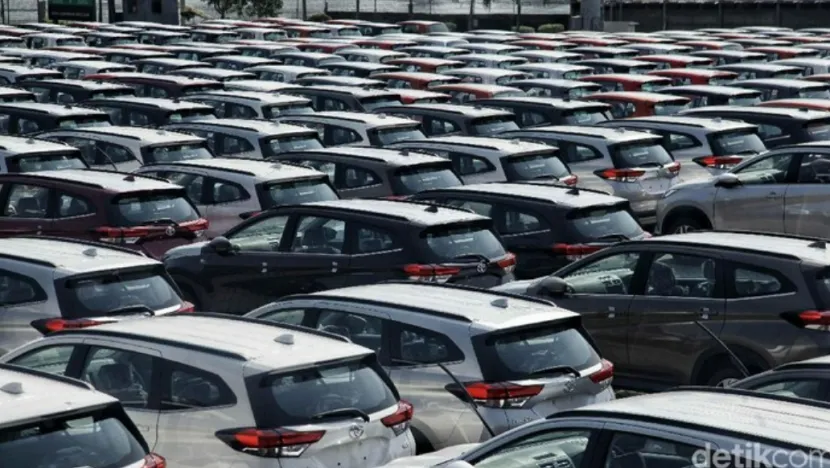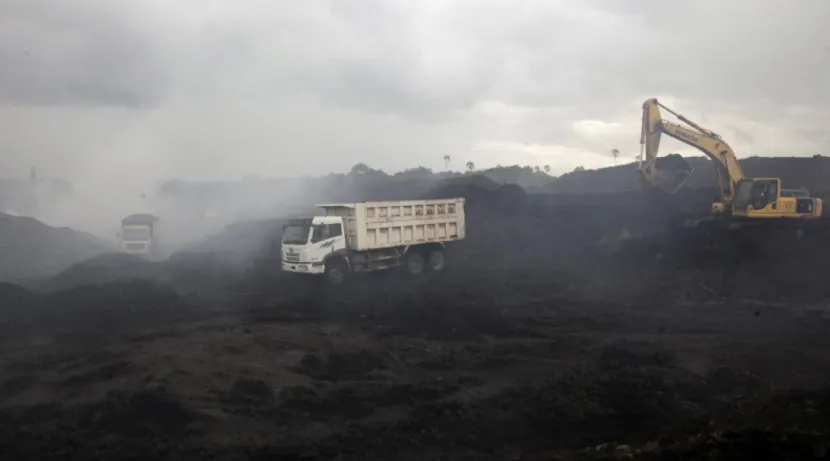

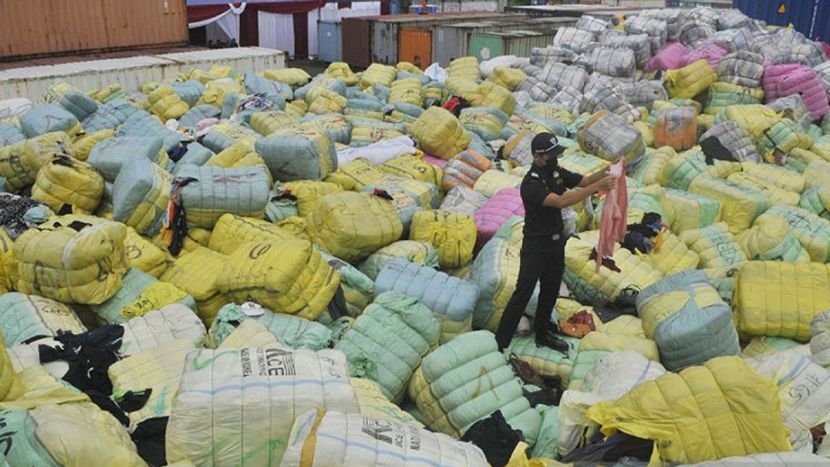
 Is Indonesia going to crack down hard on illegal imports? Yes, on July 17, Indonesian Trade Minister Zulkifli Hasan told the media that a special task force to combat illegal imports would be officially established on July 19 in coordination with major regulatory agencies. What exactly is the plan? Let Boss Wang explain in detail:
First, Trade Minister Zulkifli Hasan stated that he had previously held closed-door meetings with the Chief of the Indonesian National Police and the Attorney General to seek law enforcement support. The plan is to form a special task force involving 19 Indonesian institutions, including the Ministry of Trade, Ministry of Industry, National Police Headquarters, Attorney General's Office, and the Indonesian Chamber of Commerce and Industry (KADIN), to strengthen oversight on textiles and textile products, clothing and apparel accessories, ceramics, electronics, footwear, cosmetics, and other finished textile products. The task force is expected to be officially established on July 19.
Second, Trade Minister Zulkifli Hasan explained that the core purpose of establishing the special task force is to more thoroughly strengthen supervision of illegal imports and protect the domestic manufacturing industry. A prominent example is the trade data for textile products under HS codes 61, 62, and 63. In the first quarter of 2024, Indonesia's Statistics Bureau recorded import data of US$115 million, but the corresponding export data from trading partner countries was as high as US$366 million, resulting in a gap of US$251 million. The Minister suspects that one of the reasons for this discrepancy is illegal imports. The Minister hopes to report this to the Attorney General's Office and resolve the chaos of illegal imports through legal procedures.
Third, Hasan also emphasized that the task force will pursue all illegal goods, including counterfeit products. Relevant agencies have already mapped out the strongholds of illegal imports, covering Banten, Jakarta, Central Java, East Java, as well as North Sumatra, Batam Island, and South Sulawesi.
From the above announcements, it is clear that the Indonesian government has realized that the domestic market is being impacted by imported products. The key issue is not to adjust or tighten trade policies, but to control illegal imports through law enforcement and supervision. For Chinese-funded enterprises operating businesses in Indonesia, it is a long-term strategy to arrange supply chains as early as possible and operate in compliance with the law.
Is Indonesia going to crack down hard on illegal imports? Yes, on July 17, Indonesian Trade Minister Zulkifli Hasan told the media that a special task force to combat illegal imports would be officially established on July 19 in coordination with major regulatory agencies. What exactly is the plan? Let Boss Wang explain in detail:
First, Trade Minister Zulkifli Hasan stated that he had previously held closed-door meetings with the Chief of the Indonesian National Police and the Attorney General to seek law enforcement support. The plan is to form a special task force involving 19 Indonesian institutions, including the Ministry of Trade, Ministry of Industry, National Police Headquarters, Attorney General's Office, and the Indonesian Chamber of Commerce and Industry (KADIN), to strengthen oversight on textiles and textile products, clothing and apparel accessories, ceramics, electronics, footwear, cosmetics, and other finished textile products. The task force is expected to be officially established on July 19.
Second, Trade Minister Zulkifli Hasan explained that the core purpose of establishing the special task force is to more thoroughly strengthen supervision of illegal imports and protect the domestic manufacturing industry. A prominent example is the trade data for textile products under HS codes 61, 62, and 63. In the first quarter of 2024, Indonesia's Statistics Bureau recorded import data of US$115 million, but the corresponding export data from trading partner countries was as high as US$366 million, resulting in a gap of US$251 million. The Minister suspects that one of the reasons for this discrepancy is illegal imports. The Minister hopes to report this to the Attorney General's Office and resolve the chaos of illegal imports through legal procedures.
Third, Hasan also emphasized that the task force will pursue all illegal goods, including counterfeit products. Relevant agencies have already mapped out the strongholds of illegal imports, covering Banten, Jakarta, Central Java, East Java, as well as North Sumatra, Batam Island, and South Sulawesi.
From the above announcements, it is clear that the Indonesian government has realized that the domestic market is being impacted by imported products. The key issue is not to adjust or tighten trade policies, but to control illegal imports through law enforcement and supervision. For Chinese-funded enterprises operating businesses in Indonesia, it is a long-term strategy to arrange supply chains as early as possible and operate in compliance with the law.
Is Indonesia going to crack down hard on illegal imports? Yes, on July 17, Indonesian Trade Minister Zulkifli Hasan told the media that a special task force to combat illegal imports would be officially established on July 19 in coordination with major regulatory agencies. What exactly is the plan? Let Boss Wang explain in detail:
First, Trade Minister Zulkifli Hasan stated that he had previously held closed-door meetings with the Chief of the Indonesian National Police and the Attorney General to seek law enforcement support. The plan is to form a special task force involving 19 Indonesian institutions, including the Ministry of Trade, Ministry of Industry, National Police Headquarters, Attorney General's Office, and the Indonesian Chamber of Commerce and Industry (KADIN), to strengthen oversight on textiles and textile products, clothing and apparel accessories, ceramics, electronics, footwear, cosmetics, and other finished textile products. The task force is expected to be officially established on July 19.
Second, Trade Minister Zulkifli Hasan explained that the core purpose of establishing the special task force is to more thoroughly strengthen supervision of illegal imports and protect the domestic manufacturing industry. A prominent example is the trade data for textile products under HS codes 61, 62, and 63. In the first quarter of 2024, Indonesia's Statistics Bureau recorded import data of US$115 million, but the corresponding export data from trading partner countries was as high as US$366 million, resulting in a gap of US$251 million. The Minister suspects that one of the reasons for this discrepancy is illegal imports. The Minister hopes to report this to the Attorney General's Office and resolve the chaos of illegal imports through legal procedures.
Third, Hasan also emphasized that the task force will pursue all illegal goods, including counterfeit products. Relevant agencies have already mapped out the strongholds of illegal imports, covering Banten, Jakarta, Central Java, East Java, as well as North Sumatra, Batam Island, and South Sulawesi.
From the above announcements, it is clear that the Indonesian government has realized that the domestic market is being impacted by imported products. The key issue is not to adjust or tighten trade policies, but to control illegal imports through law enforcement and supervision. For Chinese-funded enterprises operating businesses in Indonesia, it is a long-term strategy to arrange supply chains as early as possible and operate in compliance with the law.
Is Indonesia going to crack down hard on illegal imports? Yes, on July 17, Indonesian Trade Minister Zulkifli Hasan told the media that a special task force to combat illegal imports would be officially established on July 19 in coordination with major regulatory agencies. What exactly is the plan? Let Boss Wang explain in detail:
First, Trade Minister Zulkifli Hasan stated that he had previously held closed-door meetings with the Chief of the Indonesian National Police and the Attorney General to seek law enforcement support. The plan is to form a special task force involving 19 Indonesian institutions, including the Ministry of Trade, Ministry of Industry, National Police Headquarters, Attorney General's Office, and the Indonesian Chamber of Commerce and Industry (KADIN), to strengthen oversight on textiles and textile products, clothing and apparel accessories, ceramics, electronics, footwear, cosmetics, and other finished textile products. The task force is expected to be officially established on July 19.
Second, Trade Minister Zulkifli Hasan explained that the core purpose of establishing the special task force is to more thoroughly strengthen supervision of illegal imports and protect the domestic manufacturing industry. A prominent example is the trade data for textile products under HS codes 61, 62, and 63. In the first quarter of 2024, Indonesia's Statistics Bureau recorded import data of US$115 million, but the corresponding export data from trading partner countries was as high as US$366 million, resulting in a gap of US$251 million. The Minister suspects that one of the reasons for this discrepancy is illegal imports. The Minister hopes to report this to the Attorney General's Office and resolve the chaos of illegal imports through legal procedures.
Third, Hasan also emphasized that the task force will pursue all illegal goods, including counterfeit products. Relevant agencies have already mapped out the strongholds of illegal imports, covering Banten, Jakarta, Central Java, East Java, as well as North Sumatra, Batam Island, and South Sulawesi.
From the above announcements, it is clear that the Indonesian government has realized that the domestic market is being impacted by imported products. The key issue is not to adjust or tighten trade policies, but to control illegal imports through law enforcement and supervision. For Chinese-funded enterprises operating businesses in Indonesia, it is a long-term strategy to arrange supply chains as early as possible and operate in compliance with the law.