
 The Indonesian government is continuously promoting the electrification of various vehicles including passenger cars, buses, and trucks. However, in the core logistics sector of trucks, the push for electrification still faces numerous practical obstacles, making rapid adoption difficult. Currently, the truck usage structure in Indonesia's logistics industry is extremely outdated, becoming a prominent issue on the path to energy transition.
The General Chairman of the Indonesian Truck Entrepreneurs Association (Aptrindo) stated that there are approximately 6.4 million operational trucks nationwide, of which a very small proportion are in good serviceable condition. Data shows that about 65% of trucks have been in use for over 20 years, and some have even been operating for more than 40 years, resulting in a severely aging fleet. More critically, only 5% of vehicles across the industry technically meet safety operation standards, with old and highly polluting vehicles dominating the majority.
At a recent seminar during the Indonesia International Logistics Exhibition (GIICOMVEC) held at Jakarta's JIExpo, he pointed out that if the government is serious about promoting electric truck transformation, it must establish clear subsidy policies. He suggested gradually shifting fuel subsidies to electric trucks and other new energy vehicles, which could both reduce the national financial burden and accelerate the clean energy transition.
The association expressed support and optimism for electrification, while hoping the government would introduce more favorable policies, simplify regulatory processes, enabling electric truck projects to be implemented on the ground, with relevant pilot projects serving as important drivers for fleet renewal.
An automotive expert from the Bandung Institute of Technology (ITB) emphasized that truck electrification is not simply about replacing the powertrain, but rather a comprehensive restructuring of the entire human resources, technology, and infrastructure logistics ecosystem.
He believes that the biggest obstacle to electric truck transformation today is no longer vehicle supply or initial investment, but rather the human resource adaptation issue. Driver groups remain highly dependent on traditional diesel vehicles in terms of driving habits and technical awareness, and generally have doubts about the range and reliability of electric trucks. The transformation requires a complete change in drivers' operating modes and mindsets, necessitating accompanying cultural adaptation and skills training to reverse the industry's skepticism toward electric trucks, enabling practitioners to truly accept their safer, more efficient, and more work-appropriate characteristics before large-scale application can be achieved.
The Indonesian government is continuously promoting the electrification of various vehicles including passenger cars, buses, and trucks. However, in the core logistics sector of trucks, the push for electrification still faces numerous practical obstacles, making rapid adoption difficult. Currently, the truck usage structure in Indonesia's logistics industry is extremely outdated, becoming a prominent issue on the path to energy transition.
The General Chairman of the Indonesian Truck Entrepreneurs Association (Aptrindo) stated that there are approximately 6.4 million operational trucks nationwide, of which a very small proportion are in good serviceable condition. Data shows that about 65% of trucks have been in use for over 20 years, and some have even been operating for more than 40 years, resulting in a severely aging fleet. More critically, only 5% of vehicles across the industry technically meet safety operation standards, with old and highly polluting vehicles dominating the majority.
At a recent seminar during the Indonesia International Logistics Exhibition (GIICOMVEC) held at Jakarta's JIExpo, he pointed out that if the government is serious about promoting electric truck transformation, it must establish clear subsidy policies. He suggested gradually shifting fuel subsidies to electric trucks and other new energy vehicles, which could both reduce the national financial burden and accelerate the clean energy transition.
The association expressed support and optimism for electrification, while hoping the government would introduce more favorable policies, simplify regulatory processes, enabling electric truck projects to be implemented on the ground, with relevant pilot projects serving as important drivers for fleet renewal.
An automotive expert from the Bandung Institute of Technology (ITB) emphasized that truck electrification is not simply about replacing the powertrain, but rather a comprehensive restructuring of the entire human resources, technology, and infrastructure logistics ecosystem.
He believes that the biggest obstacle to electric truck transformation today is no longer vehicle supply or initial investment, but rather the human resource adaptation issue. Driver groups remain highly dependent on traditional diesel vehicles in terms of driving habits and technical awareness, and generally have doubts about the range and reliability of electric trucks. The transformation requires a complete change in drivers' operating modes and mindsets, necessitating accompanying cultural adaptation and skills training to reverse the industry's skepticism toward electric trucks, enabling practitioners to truly accept their safer, more efficient, and more work-appropriate characteristics before large-scale application can be achieved.
行业快讯
Indonesia's Electric Truck Transformation Faces Multiple Challenges, Talent Shortage Becomes Bottleneck for Widespread Adoption
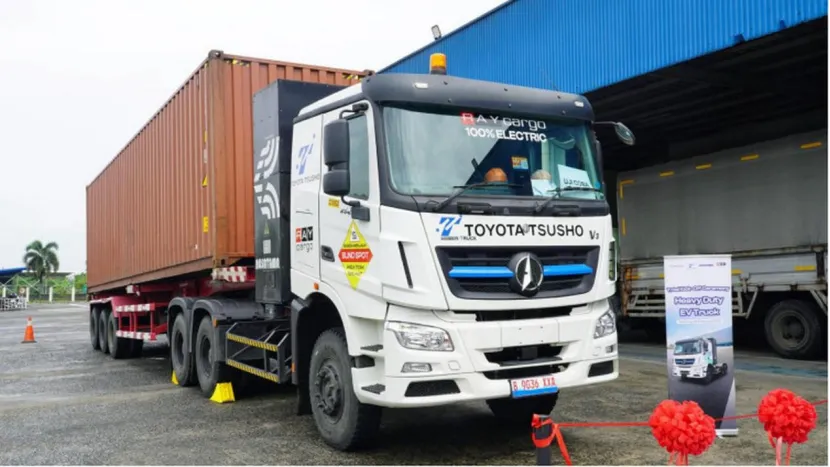
The Indonesian government is continuously promoting the electrification of various vehicles including passenger cars, buses, and trucks. However, in the core logistics sector of trucks, the push for electrification still faces numerous practical obstacles, making rapid adoption difficult. Currently, the truck usage structure in Indonesia's logistics industry is extremely outdated, becoming a prominent issue on the path to energy transition.
The General Chairman of the Indonesian Truck Entrepreneurs Association (Aptrindo) stated that there are approximately 6.4 million operational trucks nationwide, of which a very small proportion are in good serviceable condition. Data shows that about 65% of trucks have been in use for over 20 years, and some have even been operating for more than 40 years, resulting in a severely aging fleet. More critically, only 5% of vehicles across the industry technically meet safety operation standards, with old and highly polluting vehicles dominating the majority.
At a recent seminar during the Indonesia International Logistics Exhibition (GIICOMVEC) held at Jakarta's JIExpo, he pointed out that if the government is serious about promoting electric truck transformation, it must establish clear subsidy policies. He suggested gradually shifting fuel subsidies to electric trucks and other new energy vehicles, which could both reduce the national financial burden and accelerate the clean energy transition.
The association expressed support and optimism for electrification, while hoping the government would introduce more favorable policies, simplify regulatory processes, enabling electric truck projects to be implemented on the ground, with relevant pilot projects serving as important drivers for fleet renewal.
An automotive expert from the Bandung Institute of Technology (ITB) emphasized that truck electrification is not simply about replacing the powertrain, but rather a comprehensive restructuring of the entire human resources, technology, and infrastructure logistics ecosystem.
He believes that the biggest obstacle to electric truck transformation today is no longer vehicle supply or initial investment, but rather the human resource adaptation issue. Driver groups remain highly dependent on traditional diesel vehicles in terms of driving habits and technical awareness, and generally have doubts about the range and reliability of electric trucks. The transformation requires a complete change in drivers' operating modes and mindsets, necessitating accompanying cultural adaptation and skills training to reverse the industry's skepticism toward electric trucks, enabling practitioners to truly accept their safer, more efficient, and more work-appropriate characteristics before large-scale application can be achieved.