

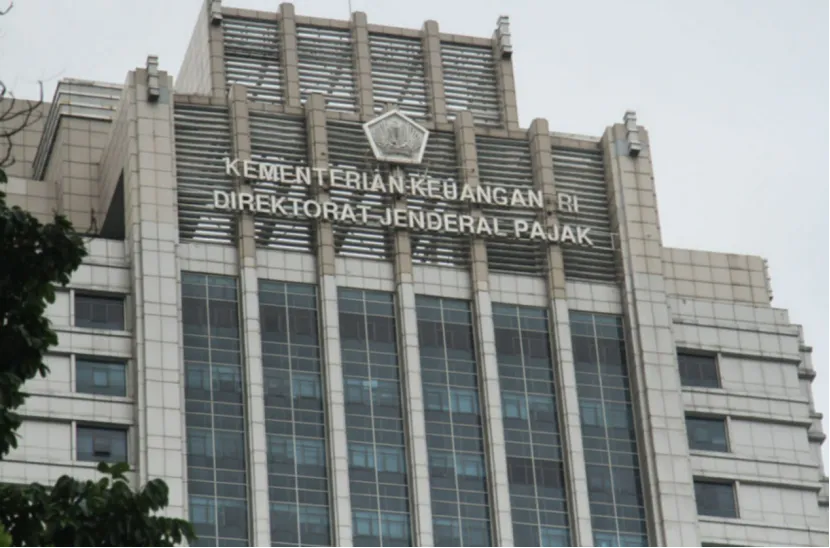
 Based on Government Regulation No. 20 of 2026, the Directorate General of Taxes of the Indonesian Ministry of Finance optimizes the 0.5% final income tax incentive for MSMEs, by tightening the scope of beneficiaries to achieve precise implementation of tax resources. The core starting point of this policy adjustment is to improve the tax system and maintain market tax fairness.
After the new regulation takes effect, the preferential tax rate is only open to natural person taxpayers, individual business entities and cooperatives, while CV partnerships, PT limited liability companies and other legal entities are completely removed from the tax incentive list and no longer enjoy the 0.5% preferential assessment standard.
The spokesperson for the Public Relations Directorate of the Directorate General of Taxes stated that this adjustment aims to make the preferential policy match the original intention of the policy, ensuring that the benefits of simplified tax administration truly reach micro and small business operators in need of burden reduction, eliminating the chaos of some legal entities exploiting preferential policies for arbitrage, balancing the tax costs of different market entities, and forcing the entire industry to develop standardized and compliant tax habits.
This policy adjustment does not change the tax rate standard. Eligible business entities still apply the 0.5% preferential tax rate. The policy clearly limits the annual revenue cap for enjoying the incentive to IDR 4.8 billion.
Previously, the business community widely feared that a large number of small legal entities removed from the incentive list would face significant increases in compliance costs. In response to core industry concerns, the tax authorities have specifically launched supportive transitional measures to avoid the burden of rushed implementation of the new regulation on merchants.
The Directorate General of Taxes stated that transitioning from simplified bookkeeping to a standard legal accounting system is very difficult for micro and small business operators, so the new regulation will not be implemented uniformly. Subsequently, tax authorities will increase universal guidance efforts, regularly conduct tax and financial education, and provide offline special guidance on practical matters such as account registration, standardized bookkeeping, and tax filing to help enterprises gradually complete accounting system upgrades.
The relevant official emphasized that the new policy is by no means intended to suppress the real economy or increase the operating costs of small and medium merchants, but the core purpose is to optimize the allocation of tax incentives. By narrowing the scope of application, it prevents universal subsidies from being occupied by non-qualified enterprises, allowing limited tax benefits to precisely support individual and cooperative micro and small business types.
Guided by this new policy, compliant micro and small market entities can rely on the preferential policy to develop steadily, while enterprises with conditions for large-scale development pay taxes according to the general corporate tax system, helping Indonesian MSMEs achieve hierarchical, orderly, and sustainable growth.
Based on Government Regulation No. 20 of 2026, the Directorate General of Taxes of the Indonesian Ministry of Finance optimizes the 0.5% final income tax incentive for MSMEs, by tightening the scope of beneficiaries to achieve precise implementation of tax resources. The core starting point of this policy adjustment is to improve the tax system and maintain market tax fairness.
After the new regulation takes effect, the preferential tax rate is only open to natural person taxpayers, individual business entities and cooperatives, while CV partnerships, PT limited liability companies and other legal entities are completely removed from the tax incentive list and no longer enjoy the 0.5% preferential assessment standard.
The spokesperson for the Public Relations Directorate of the Directorate General of Taxes stated that this adjustment aims to make the preferential policy match the original intention of the policy, ensuring that the benefits of simplified tax administration truly reach micro and small business operators in need of burden reduction, eliminating the chaos of some legal entities exploiting preferential policies for arbitrage, balancing the tax costs of different market entities, and forcing the entire industry to develop standardized and compliant tax habits.
This policy adjustment does not change the tax rate standard. Eligible business entities still apply the 0.5% preferential tax rate. The policy clearly limits the annual revenue cap for enjoying the incentive to IDR 4.8 billion.
Previously, the business community widely feared that a large number of small legal entities removed from the incentive list would face significant increases in compliance costs. In response to core industry concerns, the tax authorities have specifically launched supportive transitional measures to avoid the burden of rushed implementation of the new regulation on merchants.
The Directorate General of Taxes stated that transitioning from simplified bookkeeping to a standard legal accounting system is very difficult for micro and small business operators, so the new regulation will not be implemented uniformly. Subsequently, tax authorities will increase universal guidance efforts, regularly conduct tax and financial education, and provide offline special guidance on practical matters such as account registration, standardized bookkeeping, and tax filing to help enterprises gradually complete accounting system upgrades.
The relevant official emphasized that the new policy is by no means intended to suppress the real economy or increase the operating costs of small and medium merchants, but the core purpose is to optimize the allocation of tax incentives. By narrowing the scope of application, it prevents universal subsidies from being occupied by non-qualified enterprises, allowing limited tax benefits to precisely support individual and cooperative micro and small business types.
Guided by this new policy, compliant micro and small market entities can rely on the preferential policy to develop steadily, while enterprises with conditions for large-scale development pay taxes according to the general corporate tax system, helping Indonesian MSMEs achieve hierarchical, orderly, and sustainable growth.
Based on Government Regulation No. 20 of 2026, the Directorate General of Taxes of the Indonesian Ministry of Finance optimizes the 0.5% final income tax incentive for MSMEs, by tightening the scope of beneficiaries to achieve precise implementation of tax resources. The core starting point of this policy adjustment is to improve the tax system and maintain market tax fairness.
After the new regulation takes effect, the preferential tax rate is only open to natural person taxpayers, individual business entities and cooperatives, while CV partnerships, PT limited liability companies and other legal entities are completely removed from the tax incentive list and no longer enjoy the 0.5% preferential assessment standard.
The spokesperson for the Public Relations Directorate of the Directorate General of Taxes stated that this adjustment aims to make the preferential policy match the original intention of the policy, ensuring that the benefits of simplified tax administration truly reach micro and small business operators in need of burden reduction, eliminating the chaos of some legal entities exploiting preferential policies for arbitrage, balancing the tax costs of different market entities, and forcing the entire industry to develop standardized and compliant tax habits.
This policy adjustment does not change the tax rate standard. Eligible business entities still apply the 0.5% preferential tax rate. The policy clearly limits the annual revenue cap for enjoying the incentive to IDR 4.8 billion.
Previously, the business community widely feared that a large number of small legal entities removed from the incentive list would face significant increases in compliance costs. In response to core industry concerns, the tax authorities have specifically launched supportive transitional measures to avoid the burden of rushed implementation of the new regulation on merchants.
The Directorate General of Taxes stated that transitioning from simplified bookkeeping to a standard legal accounting system is very difficult for micro and small business operators, so the new regulation will not be implemented uniformly. Subsequently, tax authorities will increase universal guidance efforts, regularly conduct tax and financial education, and provide offline special guidance on practical matters such as account registration, standardized bookkeeping, and tax filing to help enterprises gradually complete accounting system upgrades.
The relevant official emphasized that the new policy is by no means intended to suppress the real economy or increase the operating costs of small and medium merchants, but the core purpose is to optimize the allocation of tax incentives. By narrowing the scope of application, it prevents universal subsidies from being occupied by non-qualified enterprises, allowing limited tax benefits to precisely support individual and cooperative micro and small business types.
Guided by this new policy, compliant micro and small market entities can rely on the preferential policy to develop steadily, while enterprises with conditions for large-scale development pay taxes according to the general corporate tax system, helping Indonesian MSMEs achieve hierarchical, orderly, and sustainable growth.
Based on Government Regulation No. 20 of 2026, the Directorate General of Taxes of the Indonesian Ministry of Finance optimizes the 0.5% final income tax incentive for MSMEs, by tightening the scope of beneficiaries to achieve precise implementation of tax resources. The core starting point of this policy adjustment is to improve the tax system and maintain market tax fairness.
After the new regulation takes effect, the preferential tax rate is only open to natural person taxpayers, individual business entities and cooperatives, while CV partnerships, PT limited liability companies and other legal entities are completely removed from the tax incentive list and no longer enjoy the 0.5% preferential assessment standard.
The spokesperson for the Public Relations Directorate of the Directorate General of Taxes stated that this adjustment aims to make the preferential policy match the original intention of the policy, ensuring that the benefits of simplified tax administration truly reach micro and small business operators in need of burden reduction, eliminating the chaos of some legal entities exploiting preferential policies for arbitrage, balancing the tax costs of different market entities, and forcing the entire industry to develop standardized and compliant tax habits.
This policy adjustment does not change the tax rate standard. Eligible business entities still apply the 0.5% preferential tax rate. The policy clearly limits the annual revenue cap for enjoying the incentive to IDR 4.8 billion.
Previously, the business community widely feared that a large number of small legal entities removed from the incentive list would face significant increases in compliance costs. In response to core industry concerns, the tax authorities have specifically launched supportive transitional measures to avoid the burden of rushed implementation of the new regulation on merchants.
The Directorate General of Taxes stated that transitioning from simplified bookkeeping to a standard legal accounting system is very difficult for micro and small business operators, so the new regulation will not be implemented uniformly. Subsequently, tax authorities will increase universal guidance efforts, regularly conduct tax and financial education, and provide offline special guidance on practical matters such as account registration, standardized bookkeeping, and tax filing to help enterprises gradually complete accounting system upgrades.
The relevant official emphasized that the new policy is by no means intended to suppress the real economy or increase the operating costs of small and medium merchants, but the core purpose is to optimize the allocation of tax incentives. By narrowing the scope of application, it prevents universal subsidies from being occupied by non-qualified enterprises, allowing limited tax benefits to precisely support individual and cooperative micro and small business types.
Guided by this new policy, compliant micro and small market entities can rely on the preferential policy to develop steadily, while enterprises with conditions for large-scale development pay taxes according to the general corporate tax system, helping Indonesian MSMEs achieve hierarchical, orderly, and sustainable growth.