

 At the Indonesian Food Festival recently organized by the Indonesian Embassy in China, Indonesian Ambassador to China Djauhari Oratmangun discussed the current state of China-Indonesia food trade cooperation. He pointed out that in recent years, the Chinese market's acceptance and awareness of various Indonesian foods have steadily increased. Various Indonesian specialty snacks, beverages, and local foods continue to enter the domestic consumer market, and the overall cooperation trend in the food sector between the two countries is positive. As cooperation deepens, a large number of Indonesian food companies have chosen to establish a presence in China by investing in production facilities, collaborating closely with Chinese partners for in-depth cooperation. Bilateral food industry cooperation has moved beyond the original model of simple import and export trade, with the industrial chain expanding to include industrial investment, deep food processing, warehousing and logistics, production technology R&D, and local brand incubation.
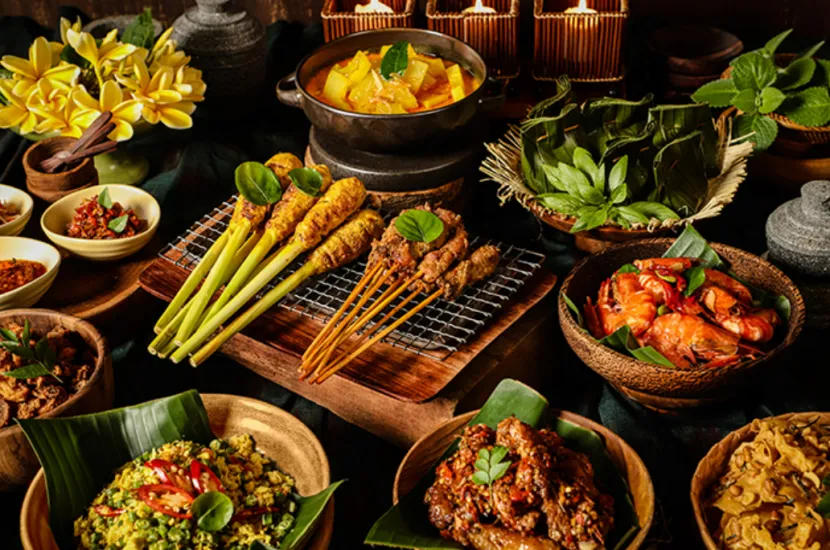
Relying on the China-Indonesia "Two Countries, Twin Parks" key cooperation project, the two countries, in addition to industrial park cooperation, are simultaneously improving commodity distribution channels and cross-border supply chain systems, further consolidating the long-term development foundation of food trade. Food and cuisine have become an important bridge to bring the people of China and Indonesia closer and deepen mutual understanding. Today, classic dishes from various regions of Indonesia such as Sumatra Rendang Beef, Yogyakarta Gudeg Stewed Jackfruit, Makassar Beef Soup, Maluku Papeda, and Bali Betutu Roast Duck are continuously entering the domestic catering market, winning the favor of many Chinese diners.
When asked about his recommended dish, Djauhari Oratmangun strongly recommended Rendang Beef from West Sumatra, Indonesia. This dish is an iconic traditional food of Indonesia, with a deep culinary cultural foundation and broad audience in Indonesia. Leveraging the popular exchange heat brought by food, the food industry cooperation between the two countries has gained a strong consumer base, which in turn drives the continuous expansion of commerce and industrial investment from the mass consumption end. Driven by the two-way drive of consumer demand and industrial cooperation, the economic and trade bond built by China and Indonesia through specialty cuisine is increasingly solid, continuously helping bilateral economic and trade cooperation steadily move towards a higher quality, broader scope new development stage.
At the Indonesian Food Festival recently organized by the Indonesian Embassy in China, Indonesian Ambassador to China Djauhari Oratmangun discussed the current state of China-Indonesia food trade cooperation. He pointed out that in recent years, the Chinese market's acceptance and awareness of various Indonesian foods have steadily increased. Various Indonesian specialty snacks, beverages, and local foods continue to enter the domestic consumer market, and the overall cooperation trend in the food sector between the two countries is positive. As cooperation deepens, a large number of Indonesian food companies have chosen to establish a presence in China by investing in production facilities, collaborating closely with Chinese partners for in-depth cooperation. Bilateral food industry cooperation has moved beyond the original model of simple import and export trade, with the industrial chain expanding to include industrial investment, deep food processing, warehousing and logistics, production technology R&D, and local brand incubation.
Relying on the China-Indonesia "Two Countries, Twin Parks" key cooperation project, the two countries, in addition to industrial park cooperation, are simultaneously improving commodity distribution channels and cross-border supply chain systems, further consolidating the long-term development foundation of food trade. Food and cuisine have become an important bridge to bring the people of China and Indonesia closer and deepen mutual understanding. Today, classic dishes from various regions of Indonesia such as Sumatra Rendang Beef, Yogyakarta Gudeg Stewed Jackfruit, Makassar Beef Soup, Maluku Papeda, and Bali Betutu Roast Duck are continuously entering the domestic catering market, winning the favor of many Chinese diners.
When asked about his recommended dish, Djauhari Oratmangun strongly recommended Rendang Beef from West Sumatra, Indonesia. This dish is an iconic traditional food of Indonesia, with a deep culinary cultural foundation and broad audience in Indonesia. Leveraging the popular exchange heat brought by food, the food industry cooperation between the two countries has gained a strong consumer base, which in turn drives the continuous expansion of commerce and industrial investment from the mass consumption end. Driven by the two-way drive of consumer demand and industrial cooperation, the economic and trade bond built by China and Indonesia through specialty cuisine is increasingly solid, continuously helping bilateral economic and trade cooperation steadily move towards a higher quality, broader scope new development stage.
At the Indonesian Food Festival recently organized by the Indonesian Embassy in China, Indonesian Ambassador to China Djauhari Oratmangun discussed the current state of China-Indonesia food trade cooperation. He pointed out that in recent years, the Chinese market's acceptance and awareness of various Indonesian foods have steadily increased. Various Indonesian specialty snacks, beverages, and local foods continue to enter the domestic consumer market, and the overall cooperation trend in the food sector between the two countries is positive. As cooperation deepens, a large number of Indonesian food companies have chosen to establish a presence in China by investing in production facilities, collaborating closely with Chinese partners for in-depth cooperation. Bilateral food industry cooperation has moved beyond the original model of simple import and export trade, with the industrial chain expanding to include industrial investment, deep food processing, warehousing and logistics, production technology R&D, and local brand incubation.
Relying on the China-Indonesia "Two Countries, Twin Parks" key cooperation project, the two countries, in addition to industrial park cooperation, are simultaneously improving commodity distribution channels and cross-border supply chain systems, further consolidating the long-term development foundation of food trade. Food and cuisine have become an important bridge to bring the people of China and Indonesia closer and deepen mutual understanding. Today, classic dishes from various regions of Indonesia such as Sumatra Rendang Beef, Yogyakarta Gudeg Stewed Jackfruit, Makassar Beef Soup, Maluku Papeda, and Bali Betutu Roast Duck are continuously entering the domestic catering market, winning the favor of many Chinese diners.
When asked about his recommended dish, Djauhari Oratmangun strongly recommended Rendang Beef from West Sumatra, Indonesia. This dish is an iconic traditional food of Indonesia, with a deep culinary cultural foundation and broad audience in Indonesia. Leveraging the popular exchange heat brought by food, the food industry cooperation between the two countries has gained a strong consumer base, which in turn drives the continuous expansion of commerce and industrial investment from the mass consumption end. Driven by the two-way drive of consumer demand and industrial cooperation, the economic and trade bond built by China and Indonesia through specialty cuisine is increasingly solid, continuously helping bilateral economic and trade cooperation steadily move towards a higher quality, broader scope new development stage.
At the Indonesian Food Festival recently organized by the Indonesian Embassy in China, Indonesian Ambassador to China Djauhari Oratmangun discussed the current state of China-Indonesia food trade cooperation. He pointed out that in recent years, the Chinese market's acceptance and awareness of various Indonesian foods have steadily increased. Various Indonesian specialty snacks, beverages, and local foods continue to enter the domestic consumer market, and the overall cooperation trend in the food sector between the two countries is positive. As cooperation deepens, a large number of Indonesian food companies have chosen to establish a presence in China by investing in production facilities, collaborating closely with Chinese partners for in-depth cooperation. Bilateral food industry cooperation has moved beyond the original model of simple import and export trade, with the industrial chain expanding to include industrial investment, deep food processing, warehousing and logistics, production technology R&D, and local brand incubation.
Relying on the China-Indonesia "Two Countries, Twin Parks" key cooperation project, the two countries, in addition to industrial park cooperation, are simultaneously improving commodity distribution channels and cross-border supply chain systems, further consolidating the long-term development foundation of food trade. Food and cuisine have become an important bridge to bring the people of China and Indonesia closer and deepen mutual understanding. Today, classic dishes from various regions of Indonesia such as Sumatra Rendang Beef, Yogyakarta Gudeg Stewed Jackfruit, Makassar Beef Soup, Maluku Papeda, and Bali Betutu Roast Duck are continuously entering the domestic catering market, winning the favor of many Chinese diners.
When asked about his recommended dish, Djauhari Oratmangun strongly recommended Rendang Beef from West Sumatra, Indonesia. This dish is an iconic traditional food of Indonesia, with a deep culinary cultural foundation and broad audience in Indonesia. Leveraging the popular exchange heat brought by food, the food industry cooperation between the two countries has gained a strong consumer base, which in turn drives the continuous expansion of commerce and industrial investment from the mass consumption end. Driven by the two-way drive of consumer demand and industrial cooperation, the economic and trade bond built by China and Indonesia through specialty cuisine is increasingly solid, continuously helping bilateral economic and trade cooperation steadily move towards a higher quality, broader scope new development stage.