
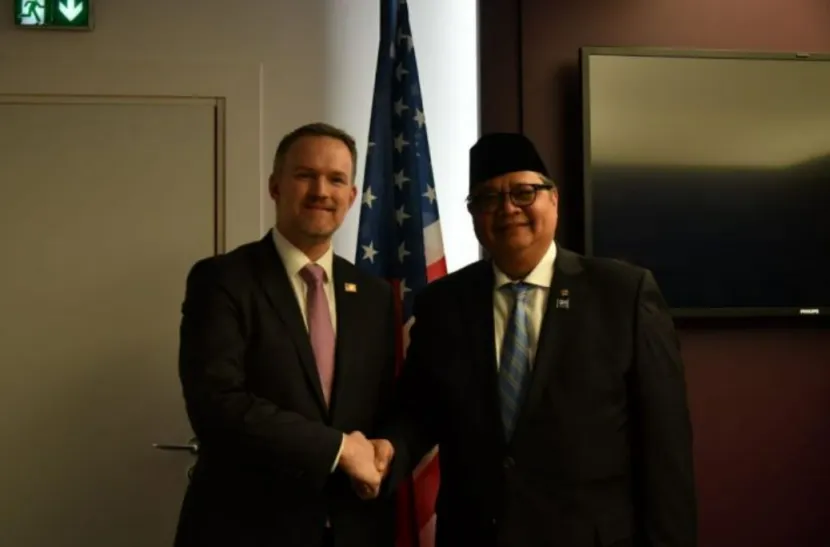
 Indonesia and the United States have deepened bilateral economic and trade cooperation, with mutual benefits becoming increasingly prominent. The two countries have been deepening their integration into the global economic and trade system by relaxing market access and coordinating trade policies. The Office of the United States Trade Representative has fully recognized Indonesia's rectification efforts in areas such as implementation of labor regulations, combating forced labor, and controlling imports of non-compliant products, placing Indonesia in the top tier of US tariff assessments. Among the 60 economies assessed, only Canada, Ecuador, the European Union, Indonesia, Mexico, and Pakistan have been granted preferential treatment by the US. This favorable outcome stems from a bilateral consultation between Indonesia's Coordinating Minister for Economic Affairs and the US Trade Representative during the 2026 OECD Ministerial Meeting in Paris. According to the Secretary of the Coordinating Ministry for Economic Affairs of Indonesia, based on the findings of the US Section 301 investigation, the top six countries are eligible for a 10% preferential tariff, while the remaining 54 assessed entities face a tariff rate of 12.5%.
Indonesia has not only concluded a reciprocal trade agreement with the US but also issued Trade Minister Regulation No. 9 of 2026, which prohibits the entry of goods related to forced labor. As a result of proper compliance rectification, the US is expected to approve Indonesia's application for tariff exemptions on 18 products. This policy can reduce export costs for local enterprises and enhance the competitiveness of Indonesian goods in the US market, and it is also an international recognition of Indonesia's economic reform achievements. Subject to current global tariff rules and US domestic legislative processes, the implementation of tariff exemptions is scheduled after July 24, 2026, to avoid operational risks arising from the overlap of old and new tax systems.
At this stage, differences remain in bilateral cooperation. The US is concerned about Indonesia's import access reform system, fearing that new regulations may hinder the export of apples, meat, corn and other agricultural products to Indonesia, and recommends that Indonesia optimize supporting policies to facilitate its OECD accession process. Meanwhile, Indonesia is actively seeking tariff exemptions under Section 232 for its domestic free port copper cathode products, a topic that still requires further negotiation. To resolve existing differences and maintain the pace of cooperation, the Coordinating Minister has mobilized relevant domestic authorities to accelerate internal coordination. The US and Indonesia have agreed to deepen collaboration and formulate a coordinated action plan, focusing on removing technical barriers to trade, advancing alignment with the WTO Fisheries Subsidies Agreement, and smoothly completing the tariff policy transition while balancing respective industrial interests, aiming for mutually beneficial development in bilateral economic and trade relations.
Indonesia and the United States have deepened bilateral economic and trade cooperation, with mutual benefits becoming increasingly prominent. The two countries have been deepening their integration into the global economic and trade system by relaxing market access and coordinating trade policies. The Office of the United States Trade Representative has fully recognized Indonesia's rectification efforts in areas such as implementation of labor regulations, combating forced labor, and controlling imports of non-compliant products, placing Indonesia in the top tier of US tariff assessments. Among the 60 economies assessed, only Canada, Ecuador, the European Union, Indonesia, Mexico, and Pakistan have been granted preferential treatment by the US. This favorable outcome stems from a bilateral consultation between Indonesia's Coordinating Minister for Economic Affairs and the US Trade Representative during the 2026 OECD Ministerial Meeting in Paris. According to the Secretary of the Coordinating Ministry for Economic Affairs of Indonesia, based on the findings of the US Section 301 investigation, the top six countries are eligible for a 10% preferential tariff, while the remaining 54 assessed entities face a tariff rate of 12.5%.
Indonesia has not only concluded a reciprocal trade agreement with the US but also issued Trade Minister Regulation No. 9 of 2026, which prohibits the entry of goods related to forced labor. As a result of proper compliance rectification, the US is expected to approve Indonesia's application for tariff exemptions on 18 products. This policy can reduce export costs for local enterprises and enhance the competitiveness of Indonesian goods in the US market, and it is also an international recognition of Indonesia's economic reform achievements. Subject to current global tariff rules and US domestic legislative processes, the implementation of tariff exemptions is scheduled after July 24, 2026, to avoid operational risks arising from the overlap of old and new tax systems.
At this stage, differences remain in bilateral cooperation. The US is concerned about Indonesia's import access reform system, fearing that new regulations may hinder the export of apples, meat, corn and other agricultural products to Indonesia, and recommends that Indonesia optimize supporting policies to facilitate its OECD accession process. Meanwhile, Indonesia is actively seeking tariff exemptions under Section 232 for its domestic free port copper cathode products, a topic that still requires further negotiation. To resolve existing differences and maintain the pace of cooperation, the Coordinating Minister has mobilized relevant domestic authorities to accelerate internal coordination. The US and Indonesia have agreed to deepen collaboration and formulate a coordinated action plan, focusing on removing technical barriers to trade, advancing alignment with the WTO Fisheries Subsidies Agreement, and smoothly completing the tariff policy transition while balancing respective industrial interests, aiming for mutually beneficial development in bilateral economic and trade relations.
Indonesia and the United States have deepened bilateral economic and trade cooperation, with mutual benefits becoming increasingly prominent. The two countries have been deepening their integration into the global economic and trade system by relaxing market access and coordinating trade policies. The Office of the United States Trade Representative has fully recognized Indonesia's rectification efforts in areas such as implementation of labor regulations, combating forced labor, and controlling imports of non-compliant products, placing Indonesia in the top tier of US tariff assessments. Among the 60 economies assessed, only Canada, Ecuador, the European Union, Indonesia, Mexico, and Pakistan have been granted preferential treatment by the US. This favorable outcome stems from a bilateral consultation between Indonesia's Coordinating Minister for Economic Affairs and the US Trade Representative during the 2026 OECD Ministerial Meeting in Paris. According to the Secretary of the Coordinating Ministry for Economic Affairs of Indonesia, based on the findings of the US Section 301 investigation, the top six countries are eligible for a 10% preferential tariff, while the remaining 54 assessed entities face a tariff rate of 12.5%.
Indonesia has not only concluded a reciprocal trade agreement with the US but also issued Trade Minister Regulation No. 9 of 2026, which prohibits the entry of goods related to forced labor. As a result of proper compliance rectification, the US is expected to approve Indonesia's application for tariff exemptions on 18 products. This policy can reduce export costs for local enterprises and enhance the competitiveness of Indonesian goods in the US market, and it is also an international recognition of Indonesia's economic reform achievements. Subject to current global tariff rules and US domestic legislative processes, the implementation of tariff exemptions is scheduled after July 24, 2026, to avoid operational risks arising from the overlap of old and new tax systems.
At this stage, differences remain in bilateral cooperation. The US is concerned about Indonesia's import access reform system, fearing that new regulations may hinder the export of apples, meat, corn and other agricultural products to Indonesia, and recommends that Indonesia optimize supporting policies to facilitate its OECD accession process. Meanwhile, Indonesia is actively seeking tariff exemptions under Section 232 for its domestic free port copper cathode products, a topic that still requires further negotiation. To resolve existing differences and maintain the pace of cooperation, the Coordinating Minister has mobilized relevant domestic authorities to accelerate internal coordination. The US and Indonesia have agreed to deepen collaboration and formulate a coordinated action plan, focusing on removing technical barriers to trade, advancing alignment with the WTO Fisheries Subsidies Agreement, and smoothly completing the tariff policy transition while balancing respective industrial interests, aiming for mutually beneficial development in bilateral economic and trade relations.
Indonesia and the United States have deepened bilateral economic and trade cooperation, with mutual benefits becoming increasingly prominent. The two countries have been deepening their integration into the global economic and trade system by relaxing market access and coordinating trade policies. The Office of the United States Trade Representative has fully recognized Indonesia's rectification efforts in areas such as implementation of labor regulations, combating forced labor, and controlling imports of non-compliant products, placing Indonesia in the top tier of US tariff assessments. Among the 60 economies assessed, only Canada, Ecuador, the European Union, Indonesia, Mexico, and Pakistan have been granted preferential treatment by the US. This favorable outcome stems from a bilateral consultation between Indonesia's Coordinating Minister for Economic Affairs and the US Trade Representative during the 2026 OECD Ministerial Meeting in Paris. According to the Secretary of the Coordinating Ministry for Economic Affairs of Indonesia, based on the findings of the US Section 301 investigation, the top six countries are eligible for a 10% preferential tariff, while the remaining 54 assessed entities face a tariff rate of 12.5%.
Indonesia has not only concluded a reciprocal trade agreement with the US but also issued Trade Minister Regulation No. 9 of 2026, which prohibits the entry of goods related to forced labor. As a result of proper compliance rectification, the US is expected to approve Indonesia's application for tariff exemptions on 18 products. This policy can reduce export costs for local enterprises and enhance the competitiveness of Indonesian goods in the US market, and it is also an international recognition of Indonesia's economic reform achievements. Subject to current global tariff rules and US domestic legislative processes, the implementation of tariff exemptions is scheduled after July 24, 2026, to avoid operational risks arising from the overlap of old and new tax systems.
At this stage, differences remain in bilateral cooperation. The US is concerned about Indonesia's import access reform system, fearing that new regulations may hinder the export of apples, meat, corn and other agricultural products to Indonesia, and recommends that Indonesia optimize supporting policies to facilitate its OECD accession process. Meanwhile, Indonesia is actively seeking tariff exemptions under Section 232 for its domestic free port copper cathode products, a topic that still requires further negotiation. To resolve existing differences and maintain the pace of cooperation, the Coordinating Minister has mobilized relevant domestic authorities to accelerate internal coordination. The US and Indonesia have agreed to deepen collaboration and formulate a coordinated action plan, focusing on removing technical barriers to trade, advancing alignment with the WTO Fisheries Subsidies Agreement, and smoothly completing the tariff policy transition while balancing respective industrial interests, aiming for mutually beneficial development in bilateral economic and trade relations.