
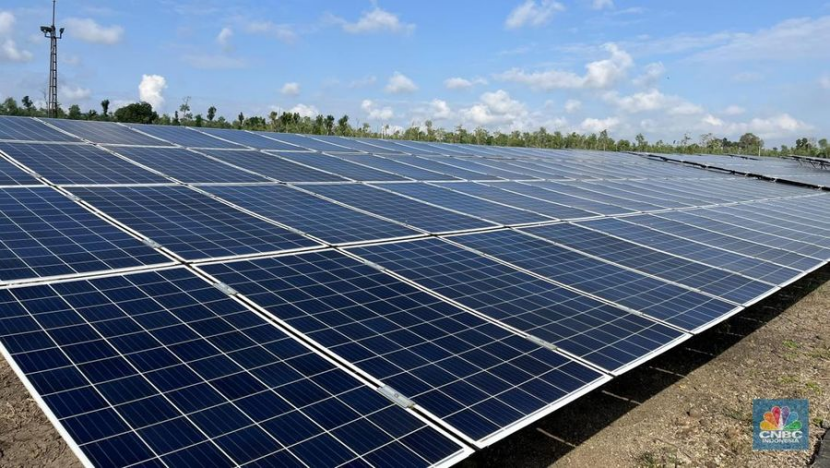
 Indonesian President Prabowo has proposed a national energy self-sufficiency vision, leveraging the "Eight Priority Programs" to vigorously promote green economic development and expand renewable energy applications, with solar photovoltaic as the core breakthrough. The goal is to build 100 GW of solar power plants over the next decade, completely reshaping the national power energy security system. If the plan is successfully implemented, Indonesia's global solar energy utilization ranking will jump from the current 69th to fourth place. Based on the current foundation, there remains a huge gap in Indonesia's renewable energy development: as of 2025, the total national renewable energy installed capacity is only 15.63 GW, of which solar PV installed capacity is only 1.49 GW. However, Indonesia's theoretical solar energy potential is as high as 3,294 GW, offering vast development space.
The government's initial plan will focus on village cooperative solar PV projects, with county-level solar centers alone expected to contribute 20 GW of capacity. Based on an investment of US$1 million per MW, achieving the total target of 100 GW would require a massive investment of US$100 billion. To realize the transformation goals, the state electricity company has released a power supply plan for 2025-2034, which includes adding 42.6 GW of renewable energy capacity, accounting for 61% of all new power capacity; solar PV has the highest priority, with planned new capacity of 17.1 GW, and total energy infrastructure investment reaching 1,682.4 trillion rupiah. Large-scale solar projects will bring significant economic multiplier effects, covering the entire industry chain from preliminary construction, installation, operation and maintenance to solar module manufacturing, and are expected to create 760,000 green jobs, while contributing to an annual 126.5 million tons of CO2 emission reduction target.
Furthermore, the 17.1 GW solar expansion plan will effectively boost the local solar industry. Indonesia currently has 25 local module manufacturers with an annual production capacity of 4.8 GW, capable of supporting domestic projects. In terms of project implementation, state-owned enterprises and private companies are working in parallel. State-owned PLN is the main developer of solar projects, with the 192 MW Cirata floating solar plant in West Java already operational, serving as a regional benchmark. It is also advancing 1 GW of rooftop solar, a 50 MW solar supporting project for the new capital Nusantara, and planning to utilize 259 reservoirs nationwide to develop a potential 14.7 GW of floating solar resources. Many listed private companies are also accelerating their energy transition, investing in floating solar, rooftop solar, and distributed power stations. Mining companies are building off-grid solar facilities at their sites to diversify green power capacity.
Currently, the combined solar PV installed capacity of public and private sectors in Indonesia is only about 1.33 GW, representing just 1.3% of the total 100 GW target, facing multiple practical challenges. The traditional power grid is outdated and lacks a national super grid architecture, making it difficult to absorb intermittent solar power. To address this, Indonesia plans to build 6 GW of battery energy storage systems and 4.2 GW of pumped storage facilities to balance the instability of solar power. Indonesia's shift from fossil fuel dependence to large-scale solar development is not just an upgrade of energy infrastructure but the construction of a complete green economic ecosystem. In the future, long-term stable regulations, coordinated central and local approvals, and diversified low-risk financing channels will be key to whether Indonesia can achieve its 100 GW solar strategy on schedule and realize energy independence.
Indonesian President Prabowo has proposed a national energy self-sufficiency vision, leveraging the "Eight Priority Programs" to vigorously promote green economic development and expand renewable energy applications, with solar photovoltaic as the core breakthrough. The goal is to build 100 GW of solar power plants over the next decade, completely reshaping the national power energy security system. If the plan is successfully implemented, Indonesia's global solar energy utilization ranking will jump from the current 69th to fourth place. Based on the current foundation, there remains a huge gap in Indonesia's renewable energy development: as of 2025, the total national renewable energy installed capacity is only 15.63 GW, of which solar PV installed capacity is only 1.49 GW. However, Indonesia's theoretical solar energy potential is as high as 3,294 GW, offering vast development space.
The government's initial plan will focus on village cooperative solar PV projects, with county-level solar centers alone expected to contribute 20 GW of capacity. Based on an investment of US$1 million per MW, achieving the total target of 100 GW would require a massive investment of US$100 billion. To realize the transformation goals, the state electricity company has released a power supply plan for 2025-2034, which includes adding 42.6 GW of renewable energy capacity, accounting for 61% of all new power capacity; solar PV has the highest priority, with planned new capacity of 17.1 GW, and total energy infrastructure investment reaching 1,682.4 trillion rupiah. Large-scale solar projects will bring significant economic multiplier effects, covering the entire industry chain from preliminary construction, installation, operation and maintenance to solar module manufacturing, and are expected to create 760,000 green jobs, while contributing to an annual 126.5 million tons of CO2 emission reduction target.
Furthermore, the 17.1 GW solar expansion plan will effectively boost the local solar industry. Indonesia currently has 25 local module manufacturers with an annual production capacity of 4.8 GW, capable of supporting domestic projects. In terms of project implementation, state-owned enterprises and private companies are working in parallel. State-owned PLN is the main developer of solar projects, with the 192 MW Cirata floating solar plant in West Java already operational, serving as a regional benchmark. It is also advancing 1 GW of rooftop solar, a 50 MW solar supporting project for the new capital Nusantara, and planning to utilize 259 reservoirs nationwide to develop a potential 14.7 GW of floating solar resources. Many listed private companies are also accelerating their energy transition, investing in floating solar, rooftop solar, and distributed power stations. Mining companies are building off-grid solar facilities at their sites to diversify green power capacity.
Currently, the combined solar PV installed capacity of public and private sectors in Indonesia is only about 1.33 GW, representing just 1.3% of the total 100 GW target, facing multiple practical challenges. The traditional power grid is outdated and lacks a national super grid architecture, making it difficult to absorb intermittent solar power. To address this, Indonesia plans to build 6 GW of battery energy storage systems and 4.2 GW of pumped storage facilities to balance the instability of solar power. Indonesia's shift from fossil fuel dependence to large-scale solar development is not just an upgrade of energy infrastructure but the construction of a complete green economic ecosystem. In the future, long-term stable regulations, coordinated central and local approvals, and diversified low-risk financing channels will be key to whether Indonesia can achieve its 100 GW solar strategy on schedule and realize energy independence.
Indonesian President Prabowo has proposed a national energy self-sufficiency vision, leveraging the "Eight Priority Programs" to vigorously promote green economic development and expand renewable energy applications, with solar photovoltaic as the core breakthrough. The goal is to build 100 GW of solar power plants over the next decade, completely reshaping the national power energy security system. If the plan is successfully implemented, Indonesia's global solar energy utilization ranking will jump from the current 69th to fourth place. Based on the current foundation, there remains a huge gap in Indonesia's renewable energy development: as of 2025, the total national renewable energy installed capacity is only 15.63 GW, of which solar PV installed capacity is only 1.49 GW. However, Indonesia's theoretical solar energy potential is as high as 3,294 GW, offering vast development space.
The government's initial plan will focus on village cooperative solar PV projects, with county-level solar centers alone expected to contribute 20 GW of capacity. Based on an investment of US$1 million per MW, achieving the total target of 100 GW would require a massive investment of US$100 billion. To realize the transformation goals, the state electricity company has released a power supply plan for 2025-2034, which includes adding 42.6 GW of renewable energy capacity, accounting for 61% of all new power capacity; solar PV has the highest priority, with planned new capacity of 17.1 GW, and total energy infrastructure investment reaching 1,682.4 trillion rupiah. Large-scale solar projects will bring significant economic multiplier effects, covering the entire industry chain from preliminary construction, installation, operation and maintenance to solar module manufacturing, and are expected to create 760,000 green jobs, while contributing to an annual 126.5 million tons of CO2 emission reduction target.
Furthermore, the 17.1 GW solar expansion plan will effectively boost the local solar industry. Indonesia currently has 25 local module manufacturers with an annual production capacity of 4.8 GW, capable of supporting domestic projects. In terms of project implementation, state-owned enterprises and private companies are working in parallel. State-owned PLN is the main developer of solar projects, with the 192 MW Cirata floating solar plant in West Java already operational, serving as a regional benchmark. It is also advancing 1 GW of rooftop solar, a 50 MW solar supporting project for the new capital Nusantara, and planning to utilize 259 reservoirs nationwide to develop a potential 14.7 GW of floating solar resources. Many listed private companies are also accelerating their energy transition, investing in floating solar, rooftop solar, and distributed power stations. Mining companies are building off-grid solar facilities at their sites to diversify green power capacity.
Currently, the combined solar PV installed capacity of public and private sectors in Indonesia is only about 1.33 GW, representing just 1.3% of the total 100 GW target, facing multiple practical challenges. The traditional power grid is outdated and lacks a national super grid architecture, making it difficult to absorb intermittent solar power. To address this, Indonesia plans to build 6 GW of battery energy storage systems and 4.2 GW of pumped storage facilities to balance the instability of solar power. Indonesia's shift from fossil fuel dependence to large-scale solar development is not just an upgrade of energy infrastructure but the construction of a complete green economic ecosystem. In the future, long-term stable regulations, coordinated central and local approvals, and diversified low-risk financing channels will be key to whether Indonesia can achieve its 100 GW solar strategy on schedule and realize energy independence.
Indonesian President Prabowo has proposed a national energy self-sufficiency vision, leveraging the "Eight Priority Programs" to vigorously promote green economic development and expand renewable energy applications, with solar photovoltaic as the core breakthrough. The goal is to build 100 GW of solar power plants over the next decade, completely reshaping the national power energy security system. If the plan is successfully implemented, Indonesia's global solar energy utilization ranking will jump from the current 69th to fourth place. Based on the current foundation, there remains a huge gap in Indonesia's renewable energy development: as of 2025, the total national renewable energy installed capacity is only 15.63 GW, of which solar PV installed capacity is only 1.49 GW. However, Indonesia's theoretical solar energy potential is as high as 3,294 GW, offering vast development space.
The government's initial plan will focus on village cooperative solar PV projects, with county-level solar centers alone expected to contribute 20 GW of capacity. Based on an investment of US$1 million per MW, achieving the total target of 100 GW would require a massive investment of US$100 billion. To realize the transformation goals, the state electricity company has released a power supply plan for 2025-2034, which includes adding 42.6 GW of renewable energy capacity, accounting for 61% of all new power capacity; solar PV has the highest priority, with planned new capacity of 17.1 GW, and total energy infrastructure investment reaching 1,682.4 trillion rupiah. Large-scale solar projects will bring significant economic multiplier effects, covering the entire industry chain from preliminary construction, installation, operation and maintenance to solar module manufacturing, and are expected to create 760,000 green jobs, while contributing to an annual 126.5 million tons of CO2 emission reduction target.
Furthermore, the 17.1 GW solar expansion plan will effectively boost the local solar industry. Indonesia currently has 25 local module manufacturers with an annual production capacity of 4.8 GW, capable of supporting domestic projects. In terms of project implementation, state-owned enterprises and private companies are working in parallel. State-owned PLN is the main developer of solar projects, with the 192 MW Cirata floating solar plant in West Java already operational, serving as a regional benchmark. It is also advancing 1 GW of rooftop solar, a 50 MW solar supporting project for the new capital Nusantara, and planning to utilize 259 reservoirs nationwide to develop a potential 14.7 GW of floating solar resources. Many listed private companies are also accelerating their energy transition, investing in floating solar, rooftop solar, and distributed power stations. Mining companies are building off-grid solar facilities at their sites to diversify green power capacity.
Currently, the combined solar PV installed capacity of public and private sectors in Indonesia is only about 1.33 GW, representing just 1.3% of the total 100 GW target, facing multiple practical challenges. The traditional power grid is outdated and lacks a national super grid architecture, making it difficult to absorb intermittent solar power. To address this, Indonesia plans to build 6 GW of battery energy storage systems and 4.2 GW of pumped storage facilities to balance the instability of solar power. Indonesia's shift from fossil fuel dependence to large-scale solar development is not just an upgrade of energy infrastructure but the construction of a complete green economic ecosystem. In the future, long-term stable regulations, coordinated central and local approvals, and diversified low-risk financing channels will be key to whether Indonesia can achieve its 100 GW solar strategy on schedule and realize energy independence.