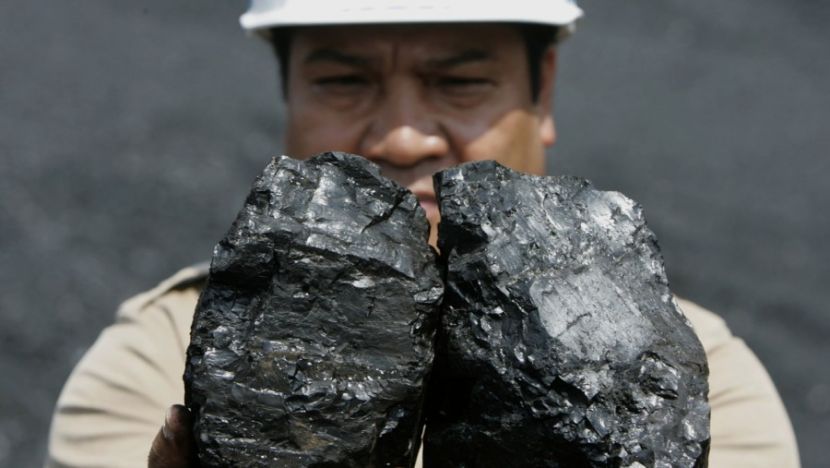

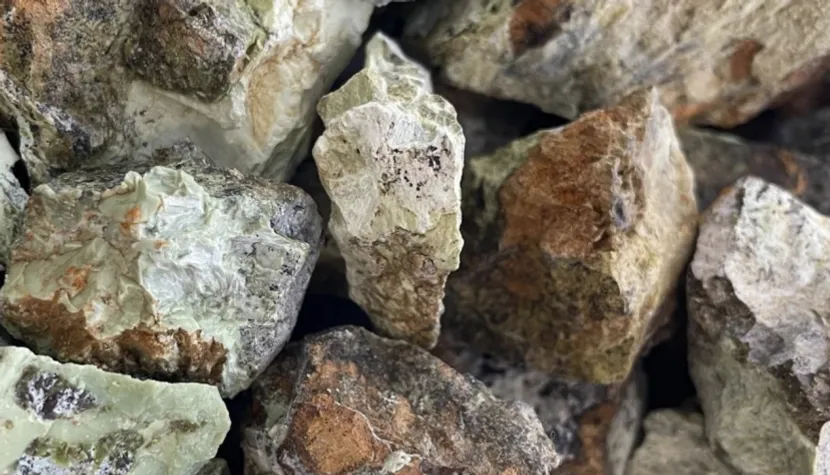
 Against the backdrop of relatively high nickel prices, a series of new policies introduced by the Indonesian government, including the nickel product export tax plan, revision of mineral reference prices, and possible increases in mining quotas for work plans and cost budgets, are expected to become core influencing factors for the nickel industry in 2026. A research report recently released by an Indonesian securities firm pointed out that if nickel prices remain high, the Ministry of Energy and Mineral Resources plans to moderately relax quotas for mining work plans and cost budgets. New quotas are expected to be released mid-year, with a focus on high-pressure acid leaching projects already in operation, such as Vale's project in Pomalaa, and the project of Free Battery Materials' subsidiary, Sulawesi Nickel Cobalt Company. However, due to the cycles required for mine capacity ramp-up and operational approvals, output will not increase rapidly. Data shows that Indonesia's actual nickel ore production in 2025 was only about 290–300 million wet metric tons, lower than the approved quota of 370 million wet metric tons. In the short term, the nickel ore premium will remain high, with saprolite nickel ore with 1.6% nickel content currently quoted at approximately $40 per ton.
The government also plans to adopt a new nickel ore reference price calculation formula, which may include pricing for non-nickel elements such as cobalt and iron, or raise the correction factor, moves that are expected to push up mineral reference prices. This policy will have limited impact on saprolite ore producers such as Antam and Vale, as their market selling prices are already above the reference price; while limonite producers stand to benefit, especially Free Battery Materials, which sells limonite to third parties like Huayue Nickel Cobalt, making it one of the main beneficiaries. On the other hand, the nickel product export tax plan is bearish for the industry. Calculations show that for every 1 percentage point increase in the export tax, the most affected are Harum Energy and Vale, followed by Free Battery Materials, Trimegah Bangun Persada, and Antam.
The export tax rate is expected to be a low to medium single-digit percentage, with the final policy still pending government clarification. Despite the pressure from the export tax policy, the nickel industry still holds investment value, as most negative expectations have already been reflected in stock prices. Free Battery Materials remains the brokerage's top pick, with the company's share buyback plan and ESG-compliant high-pressure acid leaching projects showing strong resilience to the risk of sulfur supply shortages for Indonesian mining projects. The main risk to the industry comes from the escalation of the U.S.-Iran conflict, which could push up energy and sulfur costs and suppress global nickel demand.
Against the backdrop of relatively high nickel prices, a series of new policies introduced by the Indonesian government, including the nickel product export tax plan, revision of mineral reference prices, and possible increases in mining quotas for work plans and cost budgets, are expected to become core influencing factors for the nickel industry in 2026. A research report recently released by an Indonesian securities firm pointed out that if nickel prices remain high, the Ministry of Energy and Mineral Resources plans to moderately relax quotas for mining work plans and cost budgets. New quotas are expected to be released mid-year, with a focus on high-pressure acid leaching projects already in operation, such as Vale's project in Pomalaa, and the project of Free Battery Materials' subsidiary, Sulawesi Nickel Cobalt Company. However, due to the cycles required for mine capacity ramp-up and operational approvals, output will not increase rapidly. Data shows that Indonesia's actual nickel ore production in 2025 was only about 290–300 million wet metric tons, lower than the approved quota of 370 million wet metric tons. In the short term, the nickel ore premium will remain high, with saprolite nickel ore with 1.6% nickel content currently quoted at approximately $40 per ton.
The government also plans to adopt a new nickel ore reference price calculation formula, which may include pricing for non-nickel elements such as cobalt and iron, or raise the correction factor, moves that are expected to push up mineral reference prices. This policy will have limited impact on saprolite ore producers such as Antam and Vale, as their market selling prices are already above the reference price; while limonite producers stand to benefit, especially Free Battery Materials, which sells limonite to third parties like Huayue Nickel Cobalt, making it one of the main beneficiaries. On the other hand, the nickel product export tax plan is bearish for the industry. Calculations show that for every 1 percentage point increase in the export tax, the most affected are Harum Energy and Vale, followed by Free Battery Materials, Trimegah Bangun Persada, and Antam.
The export tax rate is expected to be a low to medium single-digit percentage, with the final policy still pending government clarification. Despite the pressure from the export tax policy, the nickel industry still holds investment value, as most negative expectations have already been reflected in stock prices. Free Battery Materials remains the brokerage's top pick, with the company's share buyback plan and ESG-compliant high-pressure acid leaching projects showing strong resilience to the risk of sulfur supply shortages for Indonesian mining projects. The main risk to the industry comes from the escalation of the U.S.-Iran conflict, which could push up energy and sulfur costs and suppress global nickel demand.
Against the backdrop of relatively high nickel prices, a series of new policies introduced by the Indonesian government, including the nickel product export tax plan, revision of mineral reference prices, and possible increases in mining quotas for work plans and cost budgets, are expected to become core influencing factors for the nickel industry in 2026. A research report recently released by an Indonesian securities firm pointed out that if nickel prices remain high, the Ministry of Energy and Mineral Resources plans to moderately relax quotas for mining work plans and cost budgets. New quotas are expected to be released mid-year, with a focus on high-pressure acid leaching projects already in operation, such as Vale's project in Pomalaa, and the project of Free Battery Materials' subsidiary, Sulawesi Nickel Cobalt Company. However, due to the cycles required for mine capacity ramp-up and operational approvals, output will not increase rapidly. Data shows that Indonesia's actual nickel ore production in 2025 was only about 290–300 million wet metric tons, lower than the approved quota of 370 million wet metric tons. In the short term, the nickel ore premium will remain high, with saprolite nickel ore with 1.6% nickel content currently quoted at approximately $40 per ton.
The government also plans to adopt a new nickel ore reference price calculation formula, which may include pricing for non-nickel elements such as cobalt and iron, or raise the correction factor, moves that are expected to push up mineral reference prices. This policy will have limited impact on saprolite ore producers such as Antam and Vale, as their market selling prices are already above the reference price; while limonite producers stand to benefit, especially Free Battery Materials, which sells limonite to third parties like Huayue Nickel Cobalt, making it one of the main beneficiaries. On the other hand, the nickel product export tax plan is bearish for the industry. Calculations show that for every 1 percentage point increase in the export tax, the most affected are Harum Energy and Vale, followed by Free Battery Materials, Trimegah Bangun Persada, and Antam.
The export tax rate is expected to be a low to medium single-digit percentage, with the final policy still pending government clarification. Despite the pressure from the export tax policy, the nickel industry still holds investment value, as most negative expectations have already been reflected in stock prices. Free Battery Materials remains the brokerage's top pick, with the company's share buyback plan and ESG-compliant high-pressure acid leaching projects showing strong resilience to the risk of sulfur supply shortages for Indonesian mining projects. The main risk to the industry comes from the escalation of the U.S.-Iran conflict, which could push up energy and sulfur costs and suppress global nickel demand.
Against the backdrop of relatively high nickel prices, a series of new policies introduced by the Indonesian government, including the nickel product export tax plan, revision of mineral reference prices, and possible increases in mining quotas for work plans and cost budgets, are expected to become core influencing factors for the nickel industry in 2026. A research report recently released by an Indonesian securities firm pointed out that if nickel prices remain high, the Ministry of Energy and Mineral Resources plans to moderately relax quotas for mining work plans and cost budgets. New quotas are expected to be released mid-year, with a focus on high-pressure acid leaching projects already in operation, such as Vale's project in Pomalaa, and the project of Free Battery Materials' subsidiary, Sulawesi Nickel Cobalt Company. However, due to the cycles required for mine capacity ramp-up and operational approvals, output will not increase rapidly. Data shows that Indonesia's actual nickel ore production in 2025 was only about 290–300 million wet metric tons, lower than the approved quota of 370 million wet metric tons. In the short term, the nickel ore premium will remain high, with saprolite nickel ore with 1.6% nickel content currently quoted at approximately $40 per ton.
The government also plans to adopt a new nickel ore reference price calculation formula, which may include pricing for non-nickel elements such as cobalt and iron, or raise the correction factor, moves that are expected to push up mineral reference prices. This policy will have limited impact on saprolite ore producers such as Antam and Vale, as their market selling prices are already above the reference price; while limonite producers stand to benefit, especially Free Battery Materials, which sells limonite to third parties like Huayue Nickel Cobalt, making it one of the main beneficiaries. On the other hand, the nickel product export tax plan is bearish for the industry. Calculations show that for every 1 percentage point increase in the export tax, the most affected are Harum Energy and Vale, followed by Free Battery Materials, Trimegah Bangun Persada, and Antam.
The export tax rate is expected to be a low to medium single-digit percentage, with the final policy still pending government clarification. Despite the pressure from the export tax policy, the nickel industry still holds investment value, as most negative expectations have already been reflected in stock prices. Free Battery Materials remains the brokerage's top pick, with the company's share buyback plan and ESG-compliant high-pressure acid leaching projects showing strong resilience to the risk of sulfur supply shortages for Indonesian mining projects. The main risk to the industry comes from the escalation of the U.S.-Iran conflict, which could push up energy and sulfur costs and suppress global nickel demand.